
There’s nothing quite like the pop of a fresh crunch followed by a zesty kick to elevate any dish. This Easy Refrigerator Pickled Vegetables recipe brings together the best of both worlds, transforming ordinary veggies into vibrant, tangy delights that are ready in just 30 minutes! With no complicated canning involved, this quick pickles method makes it simple to enjoy a low-calorie, vegan-friendly condiment right at home. Whether you’re enhancing a hearty sandwich or adding a colorful touch to your salads, these refrigerator pickles are your go-to, versatile sidekick. What’s your favorite way to enjoy pickled vegetables? Let’s dive into this easy and delicious journey!
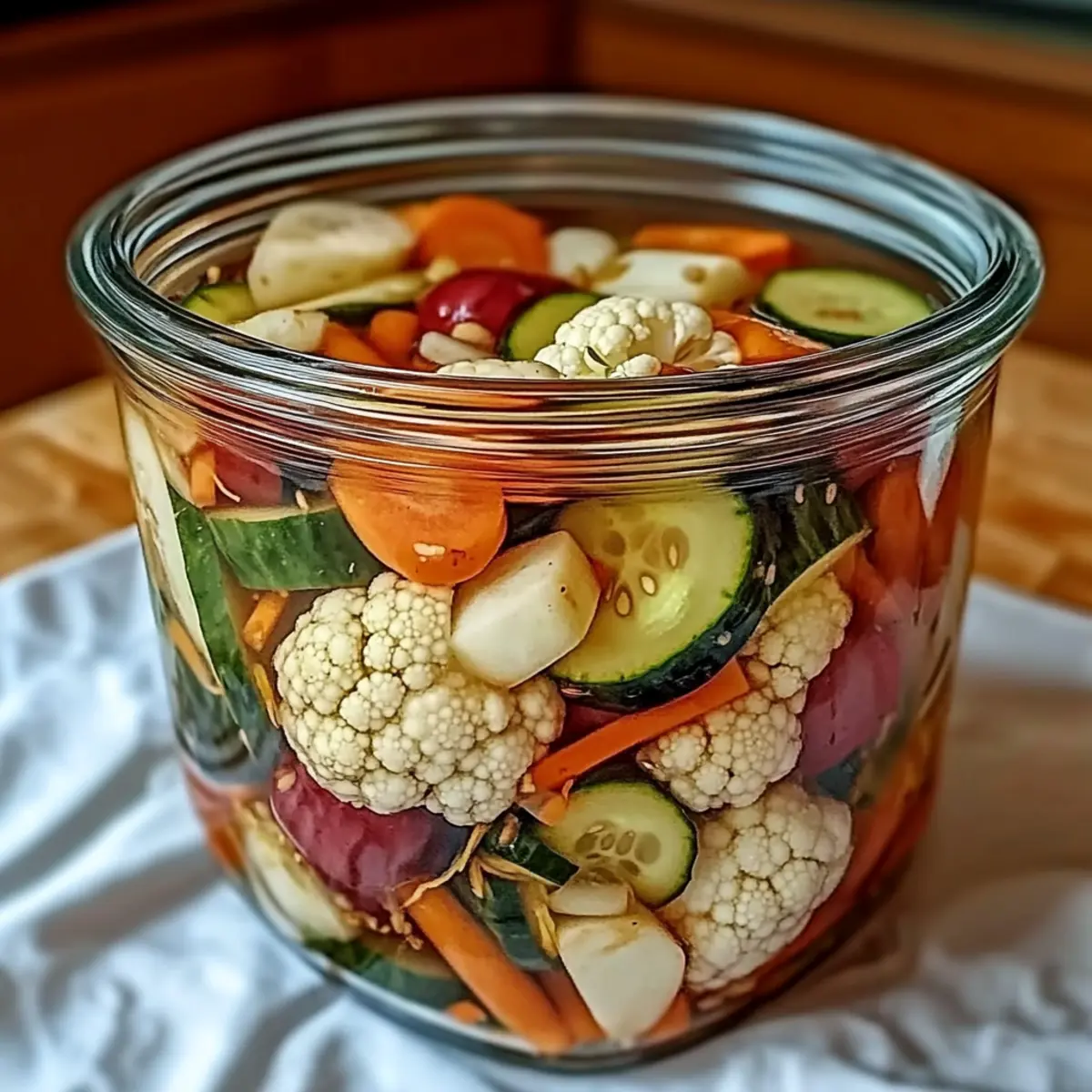
Why Pickled Vegetables Are Essential?
Vibrant Colors: These refrigerator pickled vegetables add a splash of color to your plate, making every meal more appetizing.
Quick & Easy: With just 30 minutes of prep, you don’t need to spend hours in the kitchen. Enjoy fresh pickles without any canning fuss!
Flavor Explosion: Each crunch delivers a tangy kick that brightens salads, sandwiches, and more. Perfect for enhancing your favorite dishes!
Healthy Option: Low-calorie and vegan-friendly, these pickles are a guilt-free condiment that satisfies cravings while providing essential nutrients.
Versatile Uses: Whether you’re topping tacos or creating a stunning charcuterie board, these pickled veggies are the perfect complement to countless meals. For more delicious ideas, check out our guide on quick pickles.
Refrigerator Pickled Vegetables Ingredients
• Ready to dive into the tasty world of refrigerator pickles? Here’s everything you need!
For the Vegetables
- Cauliflower – Adds crunch and visual appeal; substitute with broccoli florets if desired.
- Carrots – Provide sweetness and color; no substitutions required.
- Cucumbers – Offer crispness and freshness; use pickling cucumbers for best results.
- Red Bell Pepper – Contributes sweetness and vibrant color; green bell pepper works as an alternative.
- Fresh Green Beans – Add crunchy texture; asparagus can be used instead.
For the Brine
- Garlic (minced) – Imparts depth and flavor; garlic powder can be used as a substitute.
- Mustard Seeds – Enhance the brine’s flavor profile; substitute with coriander seeds if needed.
- Whole Black Peppercorns – Adds a mild spice; ground black pepper can replace but delivers a milder flavor.
- Red Pepper Flakes (optional) – Introduce heat; omit for milder pickles.
- White Vinegar (5% acidity) – Provides acidity and preserves the vegetables; apple cider vinegar can be an alternative.
- Water – Essential for brine balance; no substitutions needed.
- Kosher or Pickling Salt – Ensures flavor without additives; avoid table salt.
- Sugar – Balances brine acidity; honey or agave nectar can be used for a natural alternative.
Get ready to enjoy your own homemade refrigerator pickled vegetables—perfect for adding a crisp flavor boost to any dish!
Step‑by‑Step Instructions for Easy Refrigerator Pickled Vegetables
Step 1: Prepare the Vegetables
Begin by washing your chosen vegetables—cauliflower, carrots, cucumbers, red bell pepper, and green beans—under cold running water. Slice them into uniform pieces to ensure even pickling, aiming for about ¼-inch thickness. This consistency allows the vegetables to absorb the brine better. Set the prepared veggies aside in a large mixing bowl.
Step 2: Make the Brine
In a medium-sized saucepan, combine 1 cup of white vinegar, 1 cup of water, 3 tablespoons of kosher salt, and 2 tablespoons of sugar. Add 2 minced garlic cloves, 1 tablespoon of mustard seeds, and 1 teaspoon of whole black peppercorns. Place the saucepan over medium heat, bringing the mixture to a gentle boil while stirring. Cook for about 5 minutes or until the salt and sugar completely dissolve.
Step 3: Combine
Carefully pour the hot brine over the prepared vegetables in the mixing bowl. Use a spatula or spoon to gently press down the veggies, making sure they’re fully submerged in the brine. This will help them to absorb the tangy flavors as they pickle. Allow the mixture to rest for a few minutes to cool slightly and ensure even flavor distribution.
Step 4: Cool Down
Let the vegetable and brine mixture sit at room temperature for approximately 1 hour. This cooling period is essential as it helps the vegetables continue absorbing the brine’s flavor, enhancing their taste in your Easy Refrigerator Pickled Vegetables. Keep the bowl covered with a clean kitchen towel to maintain freshness.
Step 5: Jar and Cover
Once the mixture has cooled, use clean glass jars for packing the pickled veggies. Tightly pack the vegetables into the jars, ensuring there’s minimal air between them. Pour the remaining brine over the vegetables, ensuring they are completely submerged. Seal the jars tightly with their lids to lock in the flavor.
Step 6: Chill
Place the sealed jars in the refrigerator for at least 24 hours before sampling your Easy Refrigerator Pickled Vegetables. For best results, allow the pickles to chill for 3-5 days to enhance their flavor, ensuring that they develop a delicious tang. These pickles can stay fresh for up to three weeks if stored properly.
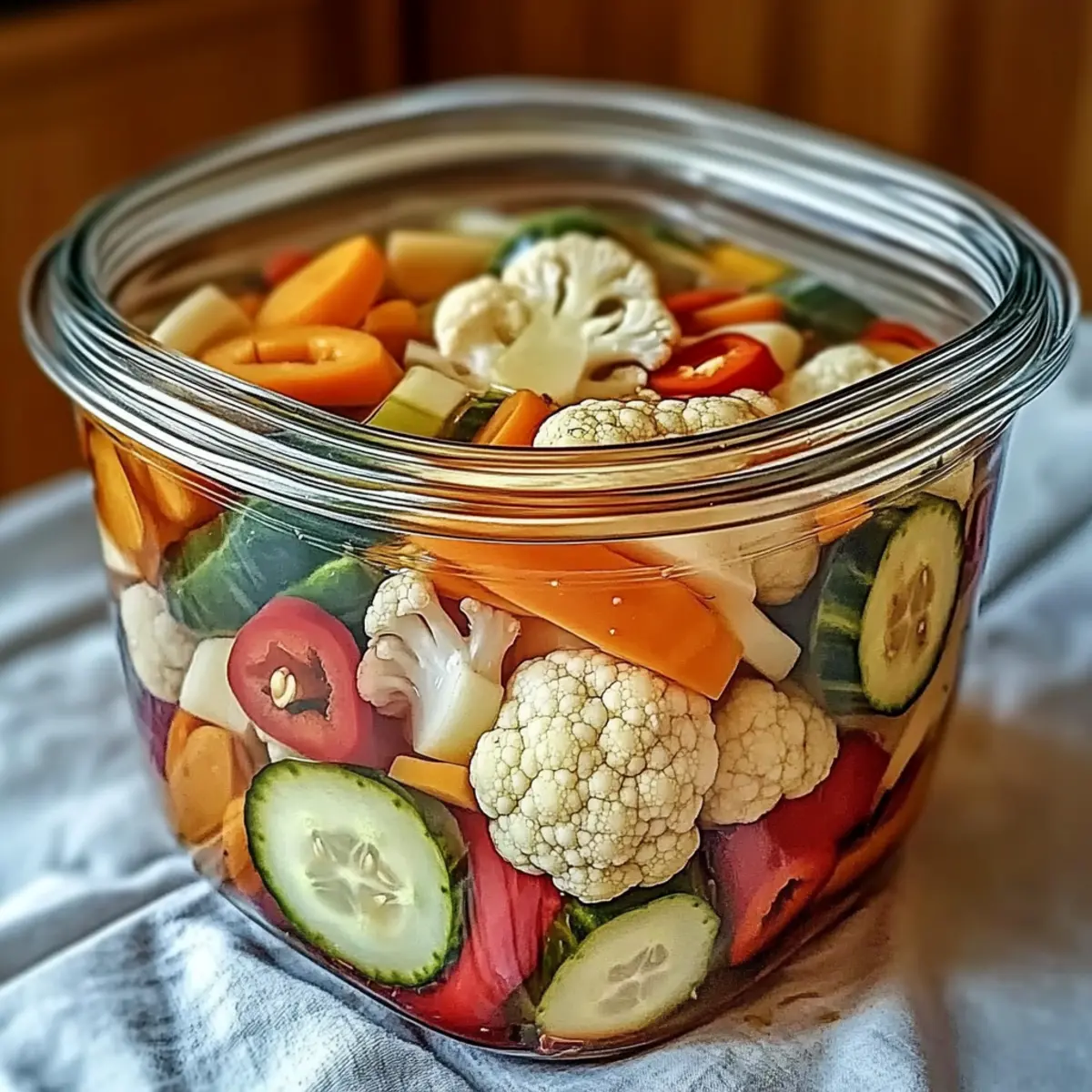
Make Ahead Options
These Easy Refrigerator Pickled Vegetables are perfect for meal prep, allowing you to save time during busy weeks! You can prepare the vegetables and brine up to 24 hours in advance by washing, slicing, and combining them in a bowl. Just keep the prepared vegetables submerged in the brine to maintain their crunch and flavor. Once combined, refrigerate them for at least 24 hours before serving to let the flavors develop, but for optimal taste, aim for 3 days. When you’re ready to enjoy, simply pack the pickled veggies in clean jars and seal them tightly. You’ll have a vibrant, tangy condiment that enhances any meal with minimal effort!
Expert Tips for Refrigerator Pickled Vegetables
- Submersion is Key: Always keep your vegetables fully submerged in the brine to maintain that satisfying crunch—using weights can help!
- Fresh Ingredients Only: Choose the freshest vegetables; wilted produce leads to soggy pickles. Crisp veggies yield the best flavor and texture.
- Brine Balance: Adjust sugar levels to taste; too sweet can overshadow the tang. Start with less and add more for perfectly balanced refrigerator pickled vegetables.
- Cool Correctly: Allow the pickles to cool completely in the brine. This step ensures optimal flavor absorption and vibrant colors.
- Storage Tips: Use clean glass jars with airtight lids to store your pickles in the fridge. Consume within 2-3 weeks for the best crunch and taste.
How to Store and Freeze Refrigerator Pickled Vegetables
Fridge: Store your refrigerator pickled vegetables in clean glass jars with airtight lids for up to 2-3 weeks to maintain their crunch and flavor.
Submersion: Always ensure that the vegetables are fully submerged in the brine to prevent spoilage. If needed, use weights to keep them down.
Reheating: While refrigerator pickled vegetables are typically enjoyed cold, you can use them as a vibrant topping for warm dishes—just warm them slightly before serving.
Freezer: Freezing is not recommended for refrigerator pickled vegetables, as the texture may become mushy. Enjoy them fresh to savor their delightful crunch!
Refrigerator Pickled Vegetables Variations
Feel free to unleash your creativity and personalize these delightful pickles to suit your taste buds!
-
Spicy Kick: Add sliced jalapeños to the brine for a fiery twist! This simple addition elevates your pickles and brings heat to every crunchy bite.
-
Sweet Alternative: Substitute traditional sugar with honey for a natural sweetness. This creates a richer flavor profile that balances the tangy brine beautifully.
-
Mixed Veggies: Use a blend like asparagus and radishes for unique taste experiences. The combination adds different textures and offers more culinary fun in each jar!
-
Herbed Goodness: Stir in fresh dill or thyme to the brine before pouring it over the veggies. These aromatic herbs infuse your pickles with vibrant flavors that pair perfectly with salads or sandwiches.
-
Colorful Variation: Swap out the red bell pepper for yellow or orange bell peppers for a vibrant, colorful mix. Each bite becomes even more visually appealing on your plate.
-
Fruit Infusion: Try adding slices of fresh ginger or fruit like peaches or pineapple for a surprising twist. This adds a sweet and zesty element that brightens every dish.
-
Zesty Lemon: Incorporate lemon zest or juice into the brine for a citrusy spin. This little tweak enhances freshness and depth, making your pickles truly pop!
-
Lower Acid: Use coconut vinegar instead of white vinegar for a gentler tang. This alternative maintains the pickling essence while softening the sharpness.
Explore these variations to find your favorite flavor combinations! And for more creative ideas, check out our guide on quick pickles to inspire your next culinary adventure!
What to Serve with Easy Refrigerator Pickled Vegetables
There’s something magical about the way vibrant, tangy pickled veggies can elevate a meal, adding a burst of flavor and color.
-
Creamy Hummus: This smooth dip perfectly balances the crunch of the pickles, creating an enticing contrast that’s impossible to resist. Spread it on toast for a delightful appetizer!
-
Tacos: Add a layer of zing with the pickled vegetables. They provide crunch and tang, enhancing the richness of meats or beans, and adding an exciting textural element.
-
Grilled Chicken: The bright acidity of the pickles cuts through the savory richness of grilled chicken, making every bite refreshing and light, turning your meal into a symphony of flavors.
-
Charcuterie Board: Add a pop of color and flavor with the pickled veggies alongside cheeses and cured meats. Their crunchy texture complements creamy cheeses beautifully, inviting bites that are both satisfying and exquisite.
-
Fresh Salads: Toss your pickled vegetables into a mixed bowl for a punch of flavor and a delightful crunch. They make every bite feel like a mini celebration!
-
Spicy Quinoa Bowl: Pair the cool, zesty pickles with warm quinoa, say hello to a balanced dish full of textures—creamy avocado and nutty seeds round it out for a wholesome meal!
-
Sparkling Water with Lime: As you crunch into these delectable pickles, sip on a refreshing sparkling water garnished with lime for a fizzy, palate-cleansing delight that brightens the entire dining experience.
-
Chocolate Mousse: This might seem like an unusual choice, but the contrast of rich chocolate against the tangy pickles creates a surprising balance that’s simply delightful!
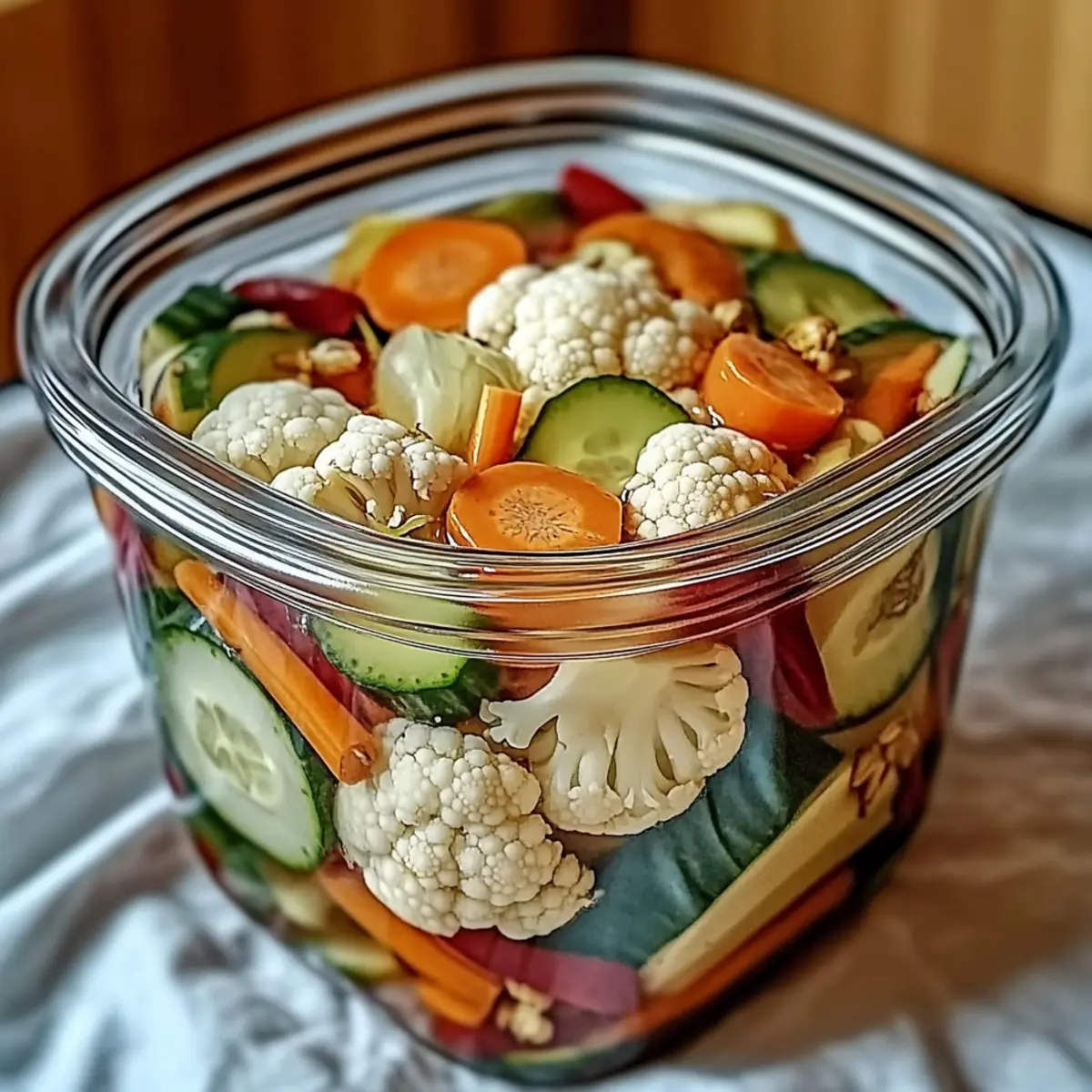
Easy Refrigerator Pickled Vegetables Recipe FAQs
How do I select the best vegetables for pickling?
Absolutely! When picking vegetables for your refrigerator pickled vegetables, look for those that are fresh, firm, and vibrant in color. Avoid any that show signs of wilting or dark spots, as these may affect the final taste and texture. For example, cauliflowers should be white and tight, while cucumbers should feel crisp and firm to the touch.
How should I store my pickled vegetables, and how long will they last?
I recommend storing your refrigerator pickled vegetables in clean glass jars with airtight lids. They can be kept in the fridge for up to 2-3 weeks. Ensure that your vegetables remain fully submerged in the brine for optimal freshness and crunch. If you notice any mold forming or a strange smell, it’s best to discard them.
Can I freeze refrigerator pickled vegetables?
While it’s technically possible to freeze refrigerator pickled vegetables, I advise against it, as freezing can lead to a mushy texture once thawed. Instead, enjoy them fresh! If you find yourself with excess pickles, consider gifting jars to friends or family, as they make a lovely homemade treat that everyone will appreciate.
What can I do if my pickles appear too salty or too sweet?
Very! Balancing the flavor is key. If your pickles turn out too salty, try rinsing them under cold water before serving. For overly sweet pickles, you can add a splash of vinegar to the brine and let them sit for a while to balance the sweetness. Remember, a little taste testing along the way helps you achieve the perfect flavor profile for your refrigerator pickled vegetables!
Are these pickles safe for my pets or anyone with allergies?
Certainly! While refrigerator pickled vegetables are generally safe for humans, some ingredients, like garlic, can be harmful to pets, particularly dogs. If you have pets, it’s best to keep any pickles away from them. Additionally, always check for allergies amongst your guests; if someone is allergic to a specific vegetable or ingredient, consider substituting it with something else to keep everyone safe and healthy.
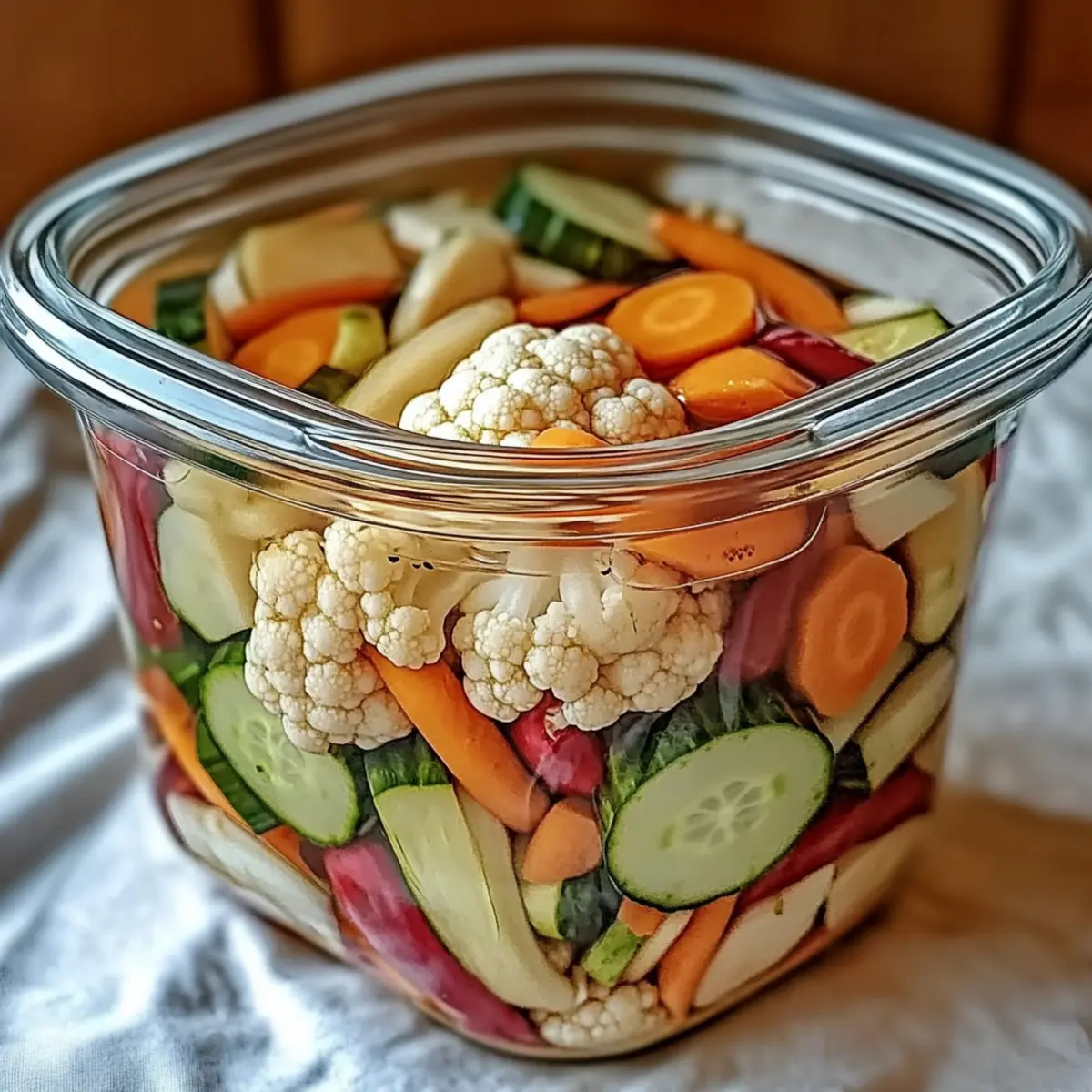
Refrigerator Pickled Vegetables for a Crisp Flavor Boost
Ingredients
Equipment
Method
- Begin by washing your chosen vegetables under cold running water. Slice them into uniform pieces to ensure even pickling, aiming for about ¼-inch thickness.
- In a medium-sized saucepan, combine 1 cup of white vinegar, 1 cup of water, 3 tablespoons of kosher salt, and 2 tablespoons of sugar. Add 2 minced garlic cloves, 1 tablespoon of mustard seeds, and 1 teaspoon of whole black peppercorns. Place the saucepan over medium heat, bringing the mixture to a gentle boil while stirring. Cook for about 5 minutes until the salt and sugar completely dissolve.
- Carefully pour the hot brine over the prepared vegetables in the mixing bowl. Use a spatula or spoon to gently press down the veggies, ensuring they’re fully submerged in the brine.
- Let the vegetable and brine mixture sit at room temperature for about 1 hour, covered with a clean kitchen towel.
- Once cooled, use clean glass jars for packing the pickled veggies. Tightly pack the vegetables into the jars, and pour the remaining brine over them.
- Seal the jars tightly with their lids and place them in the refrigerator for at least 24 hours before sampling.
Leave a Reply