
As I poured my first cup of tea, the inviting scent of lavender wafted through the air, instantly transporting me to a quaint tea room reminiscent of Downton Abbey. That simple moment inspired me to create this delightful Lavender Tea Bread, a perfect companion for your afternoon gatherings. This moist and fragrant quick bread is incredibly easy to whip up, providing a crowd-pleasing twist that your guests will adore. The gentle flavor of lavender combined with a sweet, warm glaze makes it a comforting dessert that’s as pleasing to the eye as it is to the palate. Trust me, whether you’re hosting a fancy tea party or just treating yourself, this recipe will leave you curious to experiment with variations like banana lemon bread infused with lavender. Are you ready to embrace the floral magic in your baking?
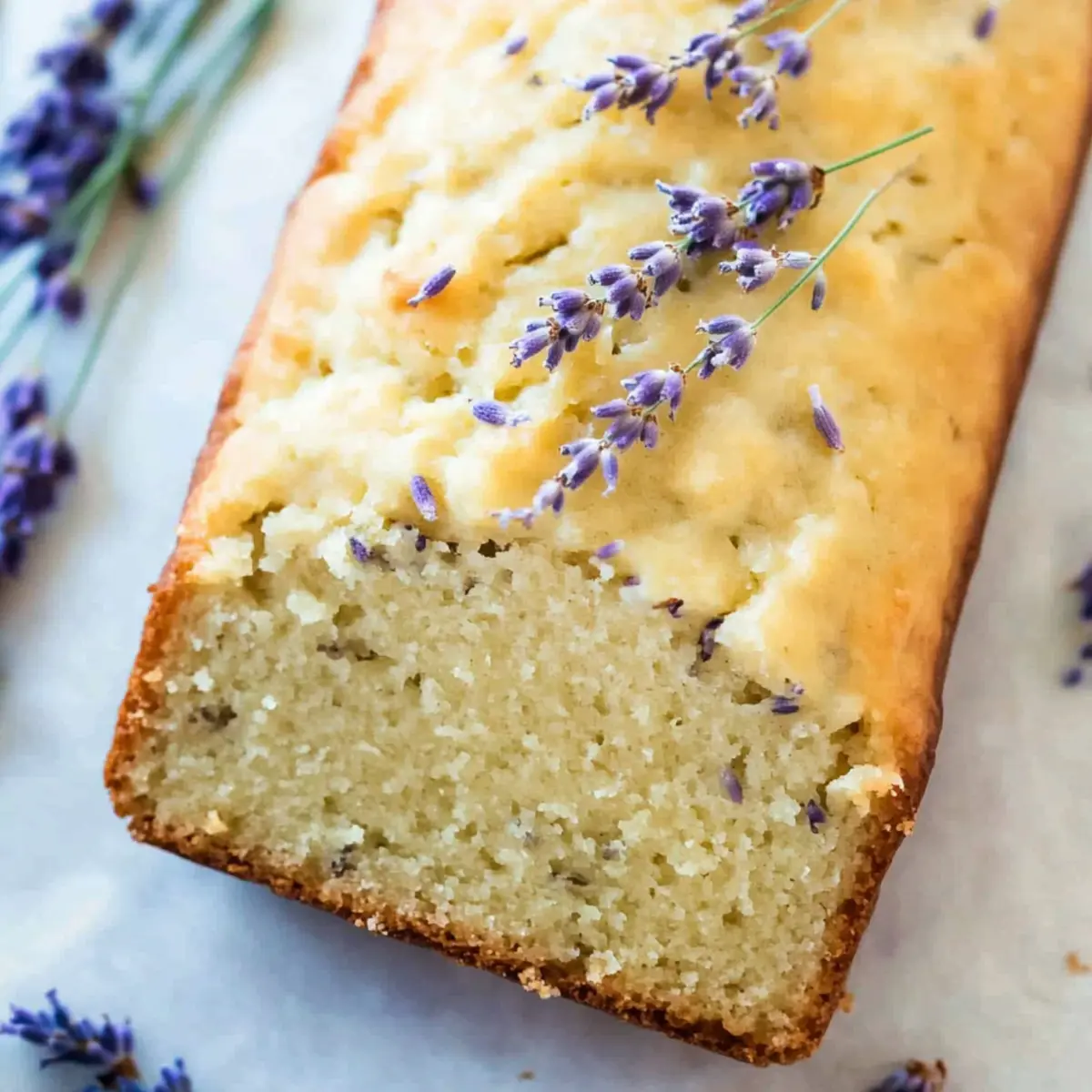
Why is Lavender Tea Bread a Must-Try?
Irresistible, the aroma of lavender fills your kitchen, instantly elevating your baking experience. Versatile, this recipe easily adapts to your preferences, allowing for fresh or dried lavender and exciting variations like adding nuts or fruits. Effortless, with just a few simple steps, you can create a stunning bread that impresses guests. Perfect for gatherings, it pairs delightfully with tea and clotted cream, making it a lovely showstopper for afternoon parties. And if you’re seeking more delicious ideas, why not try Pesto Chicken Flatbread for your next meal?
Lavender Tea Bread Ingredients
For the Bread Base
- Milk – Provides moisture and richness; can substitute with almond or oat milk for dairy-free option.
- Fresh Lavender – Adds a floral flavor that infuses the bread; if fresh is unavailable, use 3-4 tsp. of dried lavender as a substitute.
- Butter – Contributes to the bread’s moisture and richness; unsalted butter is preferred, but coconut oil can be a dairy-free alternative.
- White Sugar – Sweetens the bread; brown sugar could be used for a deeper flavor.
- Lemon Zest – Enhances flavor with citrus notes; lime zest works in a pinch.
- Eggs – Provides structure and stability; replace with flax eggs for a vegan option.
- Greek Yogurt – Adds moisture and a slight tang; substitute with regular yogurt or applesauce for a lighter variant.
- Vanilla Extract – For added flavor; almond extract can be an intriguing alternative.
- All-Purpose Flour – The main structure ingredient; consider a gluten-free flour blend for a gluten-free variation.
- Baking Powder – Responsible for leavening; ensure that it is fresh for best results.
- Salt – Enhances the overall flavor, bringing all the ingredients together.
For the Glaze
- Powdered Sugar – Used for sweetness in the glaze; can be substituted with an equal amount of maple syrup for a less sweet option.
- Lemon Juice – Balances sweetness with acidity; lime juice can serve as an alternative.
- Vanilla Extract (for glaze) – Adds depth to the flavor; can be omitted if desired.
Step‑by‑Step Instructions for Lavender Tea Bread
Step 1: Preheat Oven and Prepare Pans
Begin by preheating your oven to 325°F (165°C) to create the perfect environment for baking. While the oven warms up, grab a 9×5 inch loaf pan or three small pans. Grease and flour them generously to ensure an easy release of the Lavender Tea Bread once it’s baked. Set the prepared pans aside for later use.
Step 2: Infuse Milk with Lavender
In a small saucepan, combine the milk and lavender, heating over medium-low heat until it reaches a gentle simmer, releasing the lovely floral aroma. Once it starts simmering, remove it from the heat and let it cool slightly; this infusion maximizes the lavender flavor in your tea bread.
Step 3: Cream Butter and Sugar
In a large mixing bowl, cream together the softened butter and white sugar until the mixture becomes light and fluffy, which should take about 3-5 minutes with a hand mixer. Next, add the eggs and lemon zest, mixing until fully incorporated and smooth. This creates a rich base for your Lavender Tea Bread.
Step 4: Add Yogurt and Vanilla
Incorporate the Greek yogurt and vanilla extract into your creamed mixture. Mix until just blended, ensuring the ingredients meld together harmoniously. This addition contributes to the moist texture of the Lavender Tea Bread, enhancing its delightful taste and aroma.
Step 5: Combine Dry Ingredients
In a separate bowl, whisk together the all-purpose flour, baking powder, and salt. Make sure to mix well to evenly distribute the baking powder and salt throughout the flour. Gradually add this dry mixture to the wet mixture, alternating with the infused milk and lavender until just combined, being careful not to overmix.
Step 6: Pour Batter and Bake
Pour the prepared batter into the greased loaf pan(s), smoothing the top with a spatula for an even bake. Place the pan(s) in the preheated oven and bake for 45-50 minutes for the large loaf or about 30 minutes for small pans. You’ll know it’s done when a toothpick inserted in the center comes out clean.
Step 7: Prepare the Glaze
While the Lavender Tea Bread is cooling slightly, whisk together the powdered sugar, lemon juice, and vanilla extract in a small bowl until smooth. This glaze adds sweetness and a zesty touch, enhancing the bread’s flavors beautifully.
Step 8: Glaze and Cool
Once the bread is out of the oven and still warm, use a toothpick or skewer to poke holes in the top. Generously spread the glaze over the warm Lavender Tea Bread, allowing it to soak into the holes for maximum flavor. Let the bread cool in the pan for 20 minutes before transferring it to a wire rack to cool completely.
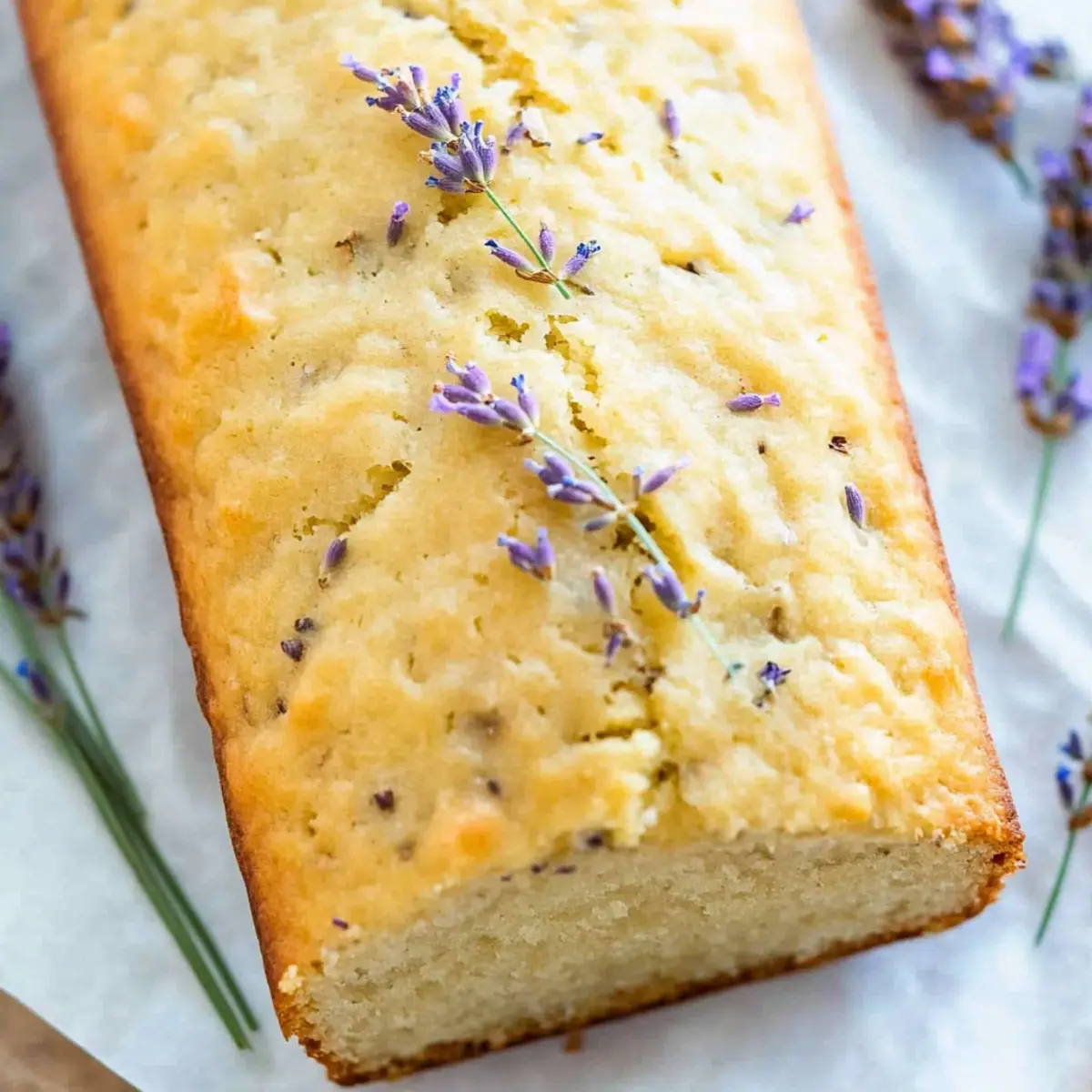
How to Store and Freeze Lavender Tea Bread
- Room Temperature: Store the unglazed Lavender Tea Bread in an airtight container at room temperature for up to 3 days. This will keep it fresh and moist while making it ready for your tea gatherings.
- Fridge: For longer storage, keep it in the refrigerator for up to a week. Make sure it’s tightly wrapped to prevent drying out. Enjoy it chilled or warm it slightly before serving.
- Freezer: Wrap the lavender bread tightly in plastic wrap and then in aluminum foil before freezing. It can last up to 3 months! Thaw in the fridge overnight before enjoying it fresh.
- Reheating: To reheat, preheat your oven to 350°F (175°C), then place the slice in for about 10 minutes, or microwave for about 20 seconds. This will revive the flavors and texture beautifully!
Make Ahead Options
These Lavender Tea Bread delights are perfect for busy home cooks looking to save time! You can prepare the batter up to 24 hours in advance and refrigerate it, ensuring the lavender flavors infuse beautifully. Additionally, you can bake the bread and allow it to cool completely, then wrap it tightly and store it at room temperature for up to 3 days. To maintain its moisture, consider placing a slice of buttered paper between the bread and the wrap. When you’re ready to serve, simply glaze the warm bread as directed, and you’ll have a stunning treat that remains just as delicious as fresh-baked!
Expert Tips for Lavender Tea Bread
-
Perfect Creaming: Ensure you cream the butter and sugar until light and fluffy; this step is crucial for a tender texture in your Lavender Tea Bread.
-
Avoid Overmixing: Once you add flour, mix just until combined. Overmixing can lead to a dense bread, so a gentle hand is key for a fluffy crumb.
-
Infusion Timing: Allow the milk-lavender mixture to cool slightly before combining it with the eggs and butter; this preserves the floral essence without cooking the eggs.
-
Taste Adjustment: If you love lavender, feel free to experiment by slightly increasing its quantity; however, be cautious not to overpower the other flavors.
-
Storage Savvy: Store leftover Lavender Tea Bread in an airtight container at room temperature for up to 3 days, or freeze for longer enjoyment.
-
Glaze Consideration: For a less sweet glaze, replace powdered sugar with maple syrup; this gives a unique flavor while balancing the sweetness perfectly.
What to Serve with Lavender Tea Bread
Creating the perfect tea-time experience is all about thoughtful pairings that enhance your homemade delight.
- Clotted Cream: This rich, creamy accompaniment adds a luxurious touch and balances the subtle floral notes of the lavender.
- Lemon Curd: Its tartness brightens each bite, making it an exciting contrast to the sweetness of the tea bread.
- Fresh Berries: A medley of strawberries, blueberries, and raspberries adds a fresh, juicy element that complements the herbal aroma.
- Herbal Tea: Sipping a fragrant herbal tea, like chamomile or peppermint, enhances the overall experience, elevating the soothing qualities of the bread.
- Sparkling Water or Lemonade: A refreshing drink option, perfect for cleansing the palate between bites, invigorating your senses with lightness.
- Cheese Platter: Add a selection of soft cheeses, like goat cheese or Brie, to create a delightful, savory contrast that balances the sweetness of the Lavender Tea Bread.
- Chocolate Truffles: For an indulgent dessert twist, dark chocolate truffles can provide a rich and satisfying finish to your tea-time gathering.
- Mini Fruit Tarts: These add a playful yet elegant touch, inviting a burst of flavor that harmonizes with the aromatic characteristics of the bread.
Lavender Tea Bread Variations & Substitutions
Feel free to sprinkle your personal touch on this delightful recipe for an even more memorable baking experience!
-
Dairy-Free: Replace milk with almond or oat milk, and use coconut oil instead of butter for a delicious vegan version.
-
Dried Lavender: If you can’t find fresh lavender, use 3-4 teaspoons of dried lavender instead. Just remember, dried is often more potent!
-
Sweet Twist: Opt for brown sugar instead of white for a richer, caramel-like flavor that pairs wonderfully with the floral notes.
-
Zesty Alternatives: If you’re out of fresh lemon zest, lime zest works like a charm or you can simply swap the lavender with citrus zest for a fresh twist.
-
Nutty Addition: Toss in chopped nuts like walnuts or almonds for some added crunch and texture. Consider combining these with blueberries for a burst of fruity goodness.
-
Gluten-Free: Use a gluten-free flour blend to easily adapt this recipe for gluten-sensitive friends while keeping the taste fabulous.
-
Fruit Infusion: Add chopped bananas or cranberries for a fruity kick that complements the lavender beautifully. It’s a surprising yet delightful flavor combination!
-
Herbal Discovery: Substitute lavender with other herbs like earl grey tea or chamomile for a warm and calming flavor profile that still shines through.
By trying these variations, you can turn your Lavender Tea Bread into an entirely new experience each time you bake. And while you’re exploring flavors, don’t forget to check out the delicious recipe for Cajun Steak Cheesy for your next meal!
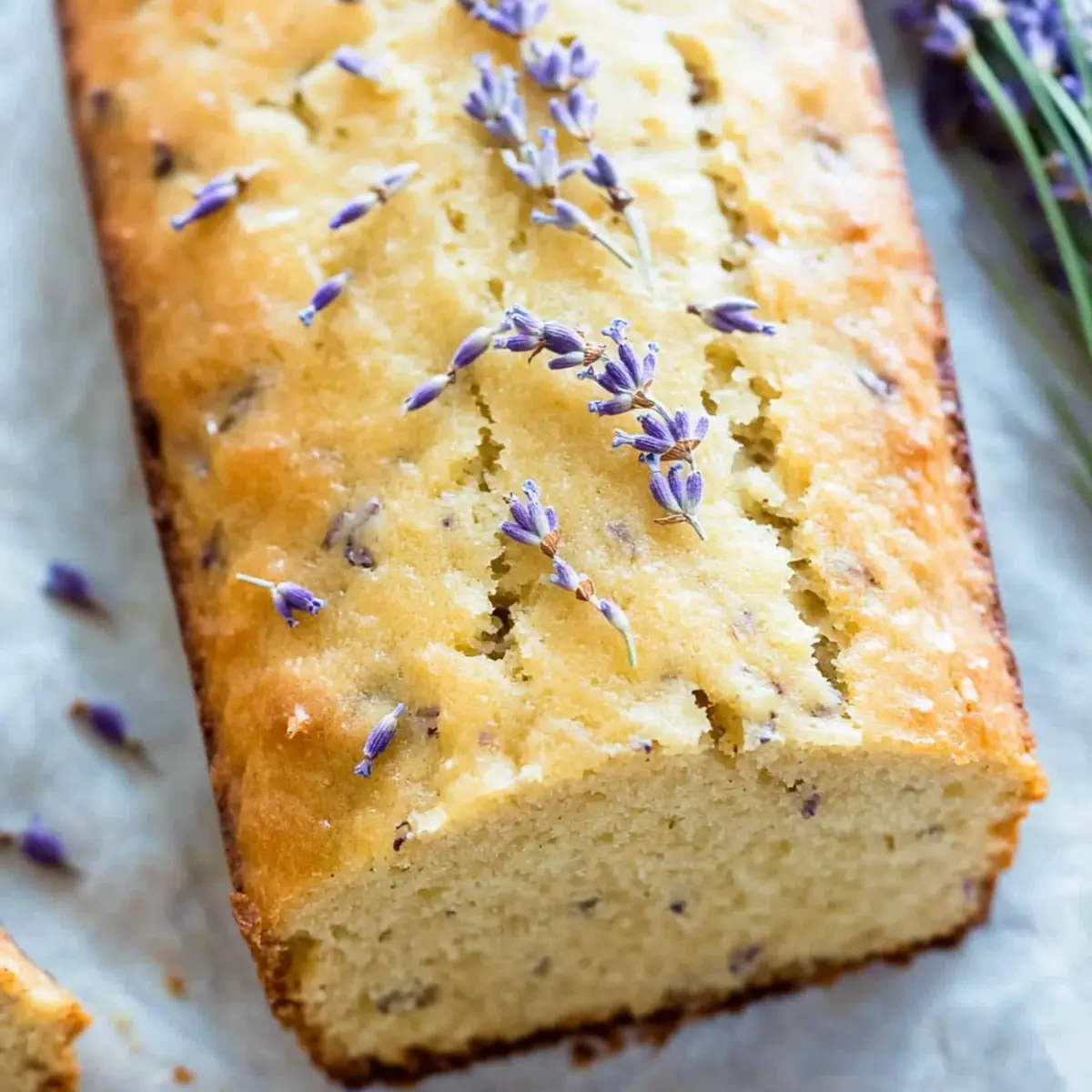
Lavender Tea Bread Recipe FAQs
What ingredients should I use for the best lavender flavor?
For the finest lavender aroma, fresh lavender is ideal, but if it’s not available, you can easily substitute with 3-4 teaspoons of dried lavender. When using dried, make sure it’s culinary-grade to ensure safe consumption. Personally, I’ve found that fresh lavender infuses a lighter, more delicate flavor!
How can I store Lavender Tea Bread to keep it fresh?
To keep your Lavender Tea Bread moist, store it in an airtight container at room temperature for up to 3 days. If you need it to last longer, you can refrigerate it for up to a week, ensuring it’s well-wrapped to prevent drying out. Alternatively, wrap it in plastic and foil, and freeze it for up to 3 months.
Can I freeze Lavender Tea Bread, and how should I do it?
Absolutely! To freeze your Lavender Tea Bread, make sure it’s completely cooled first. Wrap it tightly in plastic wrap, followed by aluminum foil to prevent freezer burn. When you’re ready to enjoy, simply thaw it in the fridge overnight before serving, or warm it up gently in the oven for a fresher taste.
What should I do if my Lavender Tea Bread comes out dense?
If your lavender bread ends up denser than expected, it might be due to overmixing once the flour was added. For next time, mix until just combined and be careful not to overbeat after including the dry ingredients. Another tip is to ensure you’re using fresh baking powder for proper leavening!
Are there any dietary considerations I should keep in mind for this recipe?
Yes! If you or your guests have dietary restrictions, you can easily adapt the recipe. Use almond or oat milk for a dairy-free version, substitute eggs with flax eggs for vegan needs, and opt for a gluten-free flour blend if necessary. Always check the type of lavender used to eliminate any allergy concerns.
How can I ensure my Lavender Tea Bread has the right texture?
To achieve that light and tender crumb you’re aiming for, be sure to cream your butter and sugar until light and fluffy at the start, which usually takes about 3-5 minutes. Also, avoid overmixing once you add the flour, as doing so can create a denser texture. Following these steps should lead to a beautifully airy loaf!
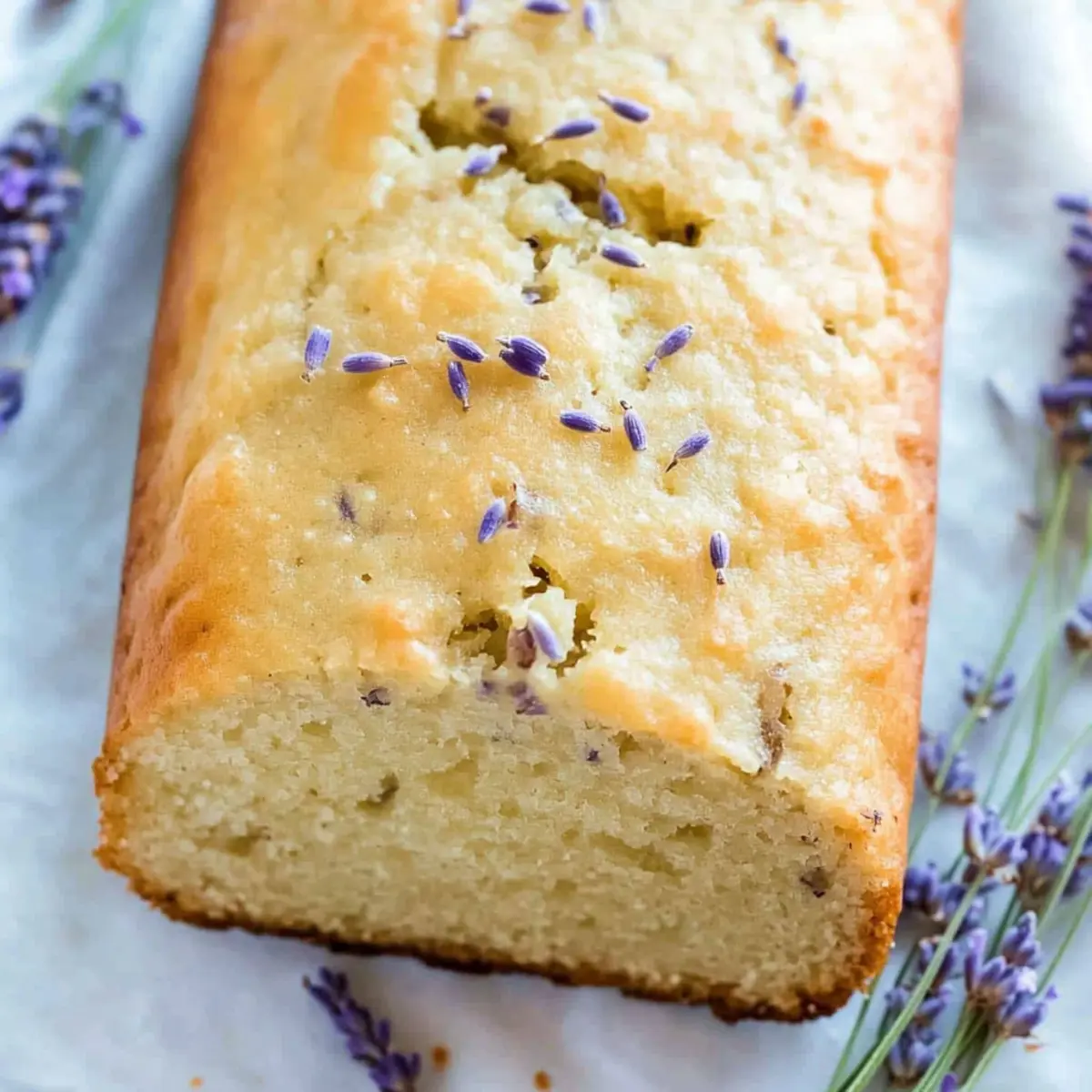
Lavender Tea Bread - A Fragrant Delight for Your Tea Time
Ingredients
Equipment
Method
- Preheat your oven to 325°F (165°C) and prepare a 9x5 inch loaf pan by greasing and flouring it.
- In a small saucepan, heat the milk and lavender over medium-low heat until it simmers, then remove from heat and let cool.
- Cream the softened butter and white sugar together until light and fluffy, then mix in the eggs and lemon zest until smooth.
- Add Greek yogurt and vanilla extract, mixing until just blended.
- In a separate bowl, whisk together the flour, baking powder, and salt, then gradually add to the wet mixture alternating with the infused milk.
- Pour the batter into the prepared loaf pan and bake for 45-50 minutes or until a toothpick comes out clean.
- While the bread cools, whisk together the glaze ingredients until smooth.
- Poke holes in the warm bread and generously spread the glaze over the top, then let cool in the pan for 20 minutes.
Leave a Reply