
As I flipped through my grandmother’s old recipe book, a whiff of nostalgia swept over me. Each dog-eared page held the essence of family gatherings, laughter, and love, especially the cherished Italian Easter Bread recipe. This traditional delight is not just about its fluffy, brioche-like texture; it’s a beloved centerpiece that adds a special touch to any holiday table, all while bringing people together. With vibrant colored eggs nestled artistically in the braided dough, making Italian Easter Bread is a rewarding seasonal ritual that creates lasting memories. Plus, this recipe offers a fantastic way to enjoy quality time in the kitchen, whether you’re hosting a spring brunch or surprising loved ones with a delightful homemade treat. Are you ready to dive into the heart of Italian tradition and bring this stunning bread to your table?
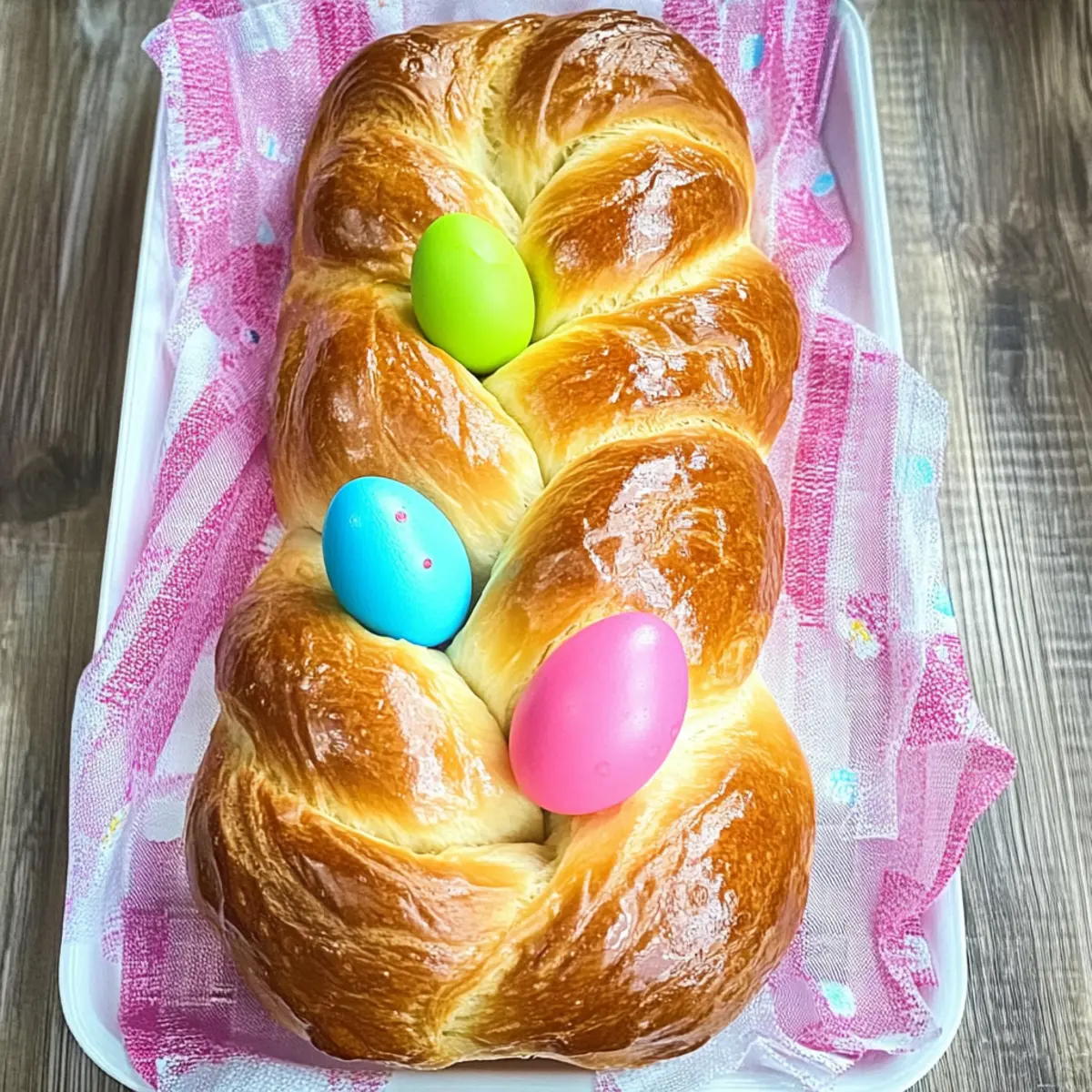
Why is Italian Easter Bread special?
Tradition: This recipe is steeped in history, celebrating the age-old Italian customs that bring families together.
Visual Appeal: Its vibrant colors and braided design make it a stunning centerpiece, captivating your guests.
Delicious Flavor: With hints of lemon and almond, you’ll find a balance of sweetness in every bite.
Versatile Uses: Perfect for brunches or as a delightful gift, it fits easily into any spring gathering.
Baking Fun: Engage everyone in the process—young and old can help decorate the bread, making it a joyful family activity.
This Italian Easter Bread captures the essence of shared moments around the table, alongside other festive recipes like Pesto Chicken Flatbread or Spezzatino Manzo that you can also explore!
Italian Easter Bread Ingredients
• Note: Gather these essential ingredients to whip up your delicious Italian Easter Bread!
-
For the Dough
-
Warm Milk – Helps activate the yeast, ensuring a fluffy texture; use milk between 105°F – 115°F for the best results.
-
Active Dry Yeast – Essential for leavening the bread, creating that light, airy texture we all love.
-
Sugar – Adds sweetness and nourishes the yeast for a better rise.
-
Flour – Provides structure; all-purpose flour works best, and add more if the dough is sticky.
-
Butter (melted and cooled) – Enhances flavor and softness; make sure it’s cooled to protect the yeast.
-
Eggs – Bring richness and moisture, vital for the dough’s structure.
-
Grated Lemon Zest – Adds a refreshing citrus flavor to balance the sweetness beautifully.
-
Salt – Essential for flavor and strengthens gluten strands, promoting good texture.
-
Almond Extract – Introduces a subtle nutty flavor that sweetens the overall taste of the bread.
-
For Decoration
-
Raw Eggs (for decoration) – These will bake with the bread; they must be raw to avoid exploding in the oven.
-
Egg Wash (1 egg yolk + 1 tbsp water) – Gives the bread that lovely golden-brown color when baked.
Step‑by‑Step Instructions for Italian Easter Bread
Step 1: Prepare the Yeast Mixture
In a small bowl, combine 1 cup of warm milk (between 105°F – 115°F), 2 tablespoons of sugar, and 2 teaspoons of active dry yeast. Let this mixture sit for about 5-10 minutes until it becomes foamy and bubbly. This step activates the yeast, ensuring your Italian Easter Bread will rise beautifully.
Step 2: Mix the Dough Ingredients
In a mixing bowl fitted with a dough hook, combine 4 cups of all-purpose flour, 1 teaspoon of salt, 2 eggs, 1/4 cup of melted and cooled butter, 1 tablespoon of sugar, the grated zest of one lemon, and 1 teaspoon of almond extract. Mix these ingredients on low speed until everything starts coming together into a sticky dough.
Step 3: Combine Yeast with Dry Ingredients
Once the yeast mixture is foamy, add it to the flour mixture. Mix on medium speed until the dough begins to form and pulls away from the sides of the bowl. This should take about 3-5 minutes, and you’ll notice a smooth, slightly tacky dough forming that showcases the lovely flavors of your Italian Easter Bread.
Step 4: Adjust Dough Consistency
If the dough is too sticky, gradually add additional flour, a tablespoon at a time, until it becomes manageable. You want the dough to be soft but not overly wet. Once you achieve the right consistency, it should easily pull away from the bowl while maintaining a soft texture.
Step 5: Knead the Dough
Knead the dough in the mixer for about 8 minutes. If you prefer, you can also knead it manually on a floured surface for about 1 minute. The dough should become smooth and elastic, indicating it’s ready for the rising phase, essential for the fluffy texture of your Italian Easter Bread.
Step 6: First Rise
Place the kneaded dough into a greased bowl, turning it to coat all sides with oil. Cover the bowl with a clean kitchen towel and let it rise in a warm area until it has doubled in size, which should take about 1 hour. This step allows the yeast to work its magic, creating that delightful airy structure in the bread.
Step 7: Shape the Dough
After the dough has risen, punch it down gently to release air. Divide it into two equal portions. Roll each portion into long strips, about 24 inches long. Braid the two strips together, pinching the ends to seal. This braided shape not only looks beautiful but also adds to the texture of your Italian Easter Bread.
Step 8: Add Decorative Eggs
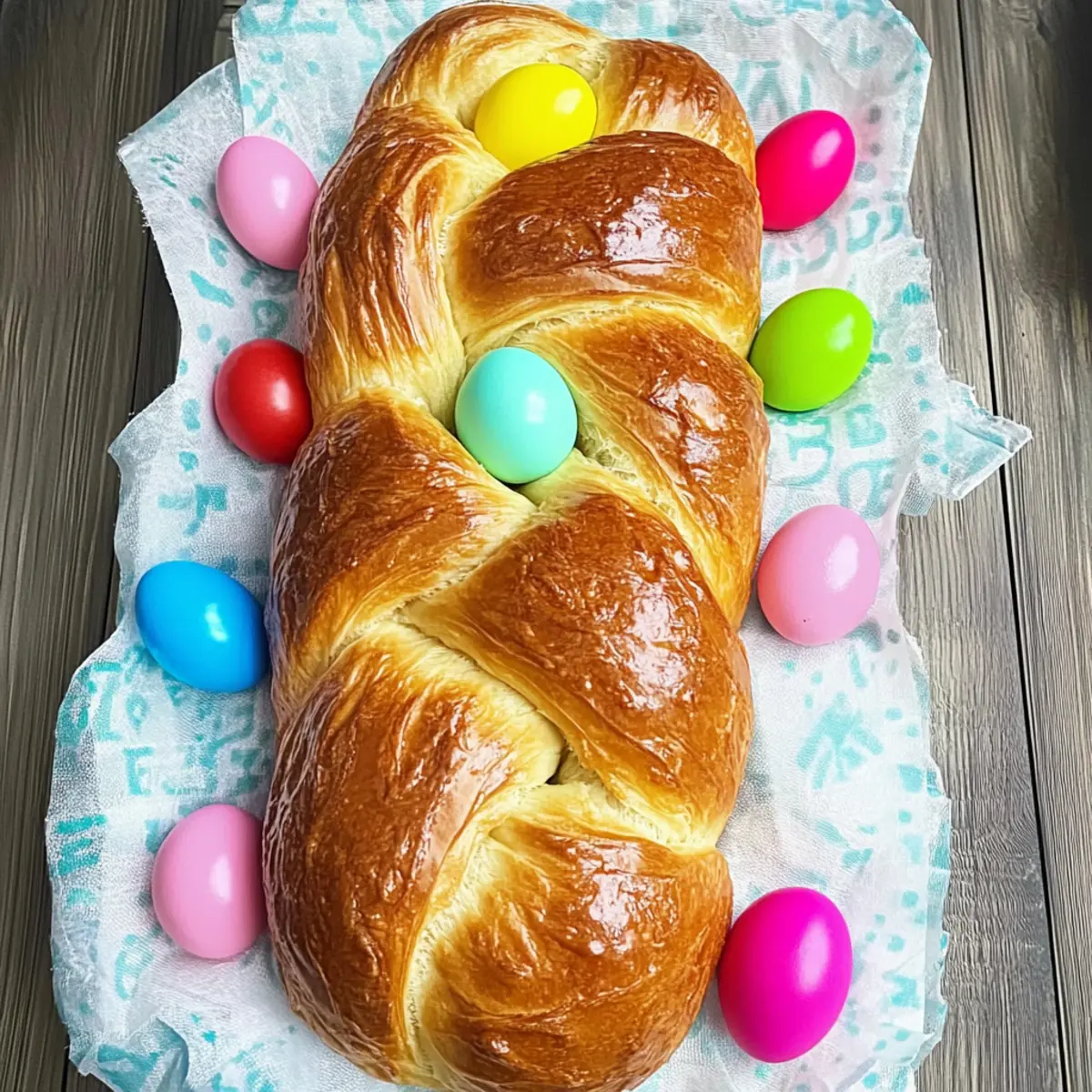
Before the second rise, carefully insert raw colored eggs into the braids where desired. Make sure to space them evenly for an eye-catching presentation. Once decorated, cover the bread again and let it rise for another 30 minutes. This second rising helps the bread become even fluffier.
Step 9: Brush and Bake
Preheat your oven to 350°F (175°C) while the bread is rising. Once ready, brush the top of the dough with an egg wash made from 1 egg yolk mixed with 1 tablespoon of water. This gives your Italian Easter Bread a lovely golden-brown color. Bake in the preheated oven for about 20 minutes, or until the bread is golden and sounds hollow when tapped on the bottom.
Step 10: Cool and Serve
After baking, remove the Italian Easter Bread from the oven and let it cool on a wire rack. This cooling period allows the flavors to settle, and the bread to firm up a bit for slicing. Once cooled, it’s ready to serve as a delightful centerpiece for your holiday table or a sweet addition to your Easter brunch!
Expert Tips for Italian Easter Bread
- Perfect Milk Temperature: Use warm milk between 105°F – 115°F to activate the yeast properly, ensuring a fluffy Italian Easter Bread. Too hot or too cold can hinder yeast growth.
- Knead with Love: Knead the dough until it’s smooth and elastic; this develops gluten, giving your bread that perfect texture. Avoid under-kneading to prevent dense results.
- Care with Decoration: Always use raw eggs for decoration; cooked eggs can explode in the oven. Secure them gently within the braid for a beautiful presentation.
- Monitor Baking Time: Ovens vary greatly; start checking your bread about 5 minutes early to avoid over-browning. You want that beautiful golden brown color!
- Experiment with Flavors: Feel free to adjust the almond extract or add spices to personalize your Italian Easter Bread. This flexibility helps incorporate family preferences and traditions!
What to Serve with Traditional Italian Easter Bread
Indulge in the delightful flavors and warmth of a full meal that celebrates the spirit of Easter.
- Creamy Mashed Potatoes: These velvety potatoes offer a smooth texture that complements the fluffy bread beautifully, providing a comforting side.
- Herbed Roasted Vegetables: A colorful medley of seasonal veggies adds a fresh crunch and earthiness that perfectly balances the sweetness of the bread.
- Spring Pea Salad: This bright and zesty salad, bursting with fresh peas and a light vinaigrette, enhances your table’s vibrancy and freshness.
- Honey Glazed Carrots: Sweet and tender, these carrots bring a lovely sweetness that echoes the subtle flavors found in the Italian Easter Bread.
- Baked Ham: A savory centerpiece with a hint of sweetness pairs wonderfully, enhancing the festive holiday spirit of your meal.
- Fresh Lemonade: A refreshing drink to cleanse your palate, the citrus zing creates a harmonious match with the bread’s lemon zest.
- Lemon Tart: For dessert, a tangy lemon tart rounds out the meal, offering a delightful contrast to the bread’s rich, sweet flavors.
- Italian Wine: A light white or rosé wine complements the meal’s flavors, lending a touch of elegance to your Easter gathering.
- Chocolate Dipped Strawberries: These sweet treats serve as a delightful finishing touch, contrasting beautifully with the soft, fragrant bread.
- Coffee or Tea: Serve these warm beverages alongside the bread for a comforting conclusion to your festive meal, perfect for sipping and savoring.
How to Store and Freeze Italian Easter Bread
Room Temperature: Keep your Italian Easter Bread in an airtight container at room temperature for up to 3 days. This helps maintain its soft texture and delicious flavor.
Fridge: For extended freshness, you can store the bread in the fridge, but be aware that this can slightly dry it out. Consume within 5 days.
Freezer: To freeze, wrap the bread tightly in plastic wrap and then in aluminum foil. It can be stored in the freezer for up to 3 months. Thaw in the fridge overnight before serving.
Reheating: Reheat slices in the microwave for about 15-20 seconds or warm in the oven at 350°F for 5-10 minutes until heated through, preserving that delightful fluffy texture.
Italian Easter Bread Variations
Get creative with your Italian Easter Bread by adding your favorite twists and flavors!
-
Gluten-Free: Swap all-purpose flour for a gluten-free blend, ensuring a delicious option for those with gluten sensitivities.
-
Fruit-Studded: Add dried fruits like raisins or cranberries for a sweet burst of flavor in every bite. These fruity notes blend beautifully with the bread’s overall sweetness.
-
Nutty Delight: Incorporate chopped almonds or walnuts into the dough for added crunch and richness. Nuts can elevate the texture and flavor profile, making each slice uniquely delightful.
-
Spice It Up: Sprinkle in ground cinnamon or nutmeg to add warm, inviting spices that evoke the essence of spring celebrations. The aroma alone will have your family racing to the kitchen.
-
Vanilla Twist: Substitute almond extract with pure vanilla extract for a different flavor profile that still feels warm and inviting. This twist can evoke a whole new world of sweetness, perfectly complementing the bread’s fluffy texture.
-
Herbal Infusion: Mix in a pinch of finely chopped fresh herbs like rosemary or thyme for a savory hint, providing an unexpected yet delightful contrast to the sweet dough. This is especially appealing for brunch gatherings.
-
Decorative Touch: Use naturally dyed eggs for the decoration instead of plain ones, bringing an extra layer of color and creativity to your holiday table.
Feel free to explore these variations while preparing your Italian Easter Bread, just imagine serving it along with a side of Zucchini Flatbread with Herbs for a beautifully themed spring feast!
Make Ahead Options
These Italian Easter Bread are perfect for meal prep enthusiasts! You can prepare the dough up to 24 hours in advance; just mix and knead it, then let it rise once before refrigerating it in a covered bowl. This slows down the fermentation, enhancing the flavor. Alternatively, braid the dough and insert the raw colored eggs, then let it rise in the fridge for up to 3 days; just remember to cover it well to maintain moisture. When ready to bake, simply brush with the egg wash and bake as directed. Your homemade Italian Easter Bread will be just as delicious and a wonderfully time-saving option for your festivities!
Italian Easter Bread Recipe FAQs
How do I choose the best ingredients for my Italian Easter Bread?
For the best results, use fresh, high-quality ingredients. Ensure your milk is warm but not hot, ideally between 105°F – 115°F, to properly activate the yeast. Look for “active dry yeast” that isn’t expired, as this can affect the rise of your bread. Also, choose all-purpose flour with a protein content of around 10-12% for a lighter, fluffier texture.
What’s the best way to store Italian Easter Bread?
Store your Italian Easter Bread in an airtight container at room temperature for up to 3 days to keep it fresh and soft. If you need it to last longer, you can also refrigerate it for up to 5 days, but be aware that this could slightly dry it out.
Can I freeze Italian Easter Bread?
Absolutely! To freeze your Italian Easter Bread, tightly wrap it in plastic wrap first, followed by aluminum foil to prevent freezer burn. It can be stored in the freezer for up to 3 months. When ready to enjoy, simply thaw it in the fridge overnight, and you can warm it up in the oven at 350°F for about 5-10 minutes to restore its fluffiness.
What should I do if my dough is too sticky?
Don’t worry! If your dough feels too sticky while mixing, gradually add more flour, about a tablespoon at a time, until it reaches a soft and manageable consistency. It should pull away from the sides of the mixing bowl without becoming too dry. Knead it lightly after adding flour to ensure it’s well incorporated.
Can I adapt this recipe for allergies or dietary restrictions?
Certainly! For a gluten-free version, use a gluten-free all-purpose flour blend, although it might affect the texture somewhat. If you have nut allergies, you can substitute almond extract with vanilla extract for a different flavor profile. Always choose ingredients that suit your dietary needs, and feel free to add dried fruits or nuts for added texture if desired.
Are the decorative eggs safe to use?
Yes! The raw eggs used for decoration are completely safe to bake, but ensure you use clean, intact eggs to prevent any risk of bacteria. They will bake within the bread and become a beautiful part of the presentation. Just remember to remove them before serving, as they won’t be intended for consumption.
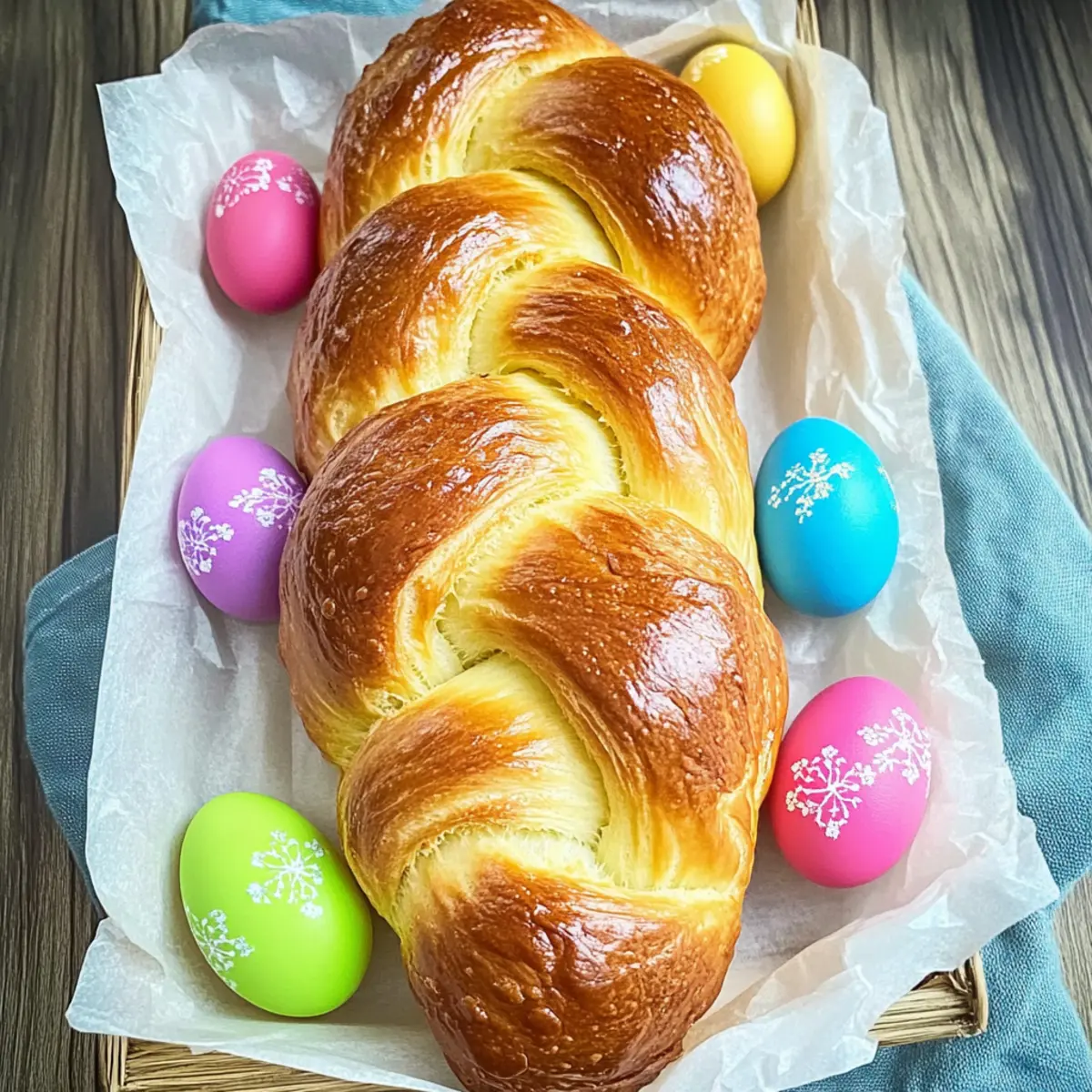
Perfectly Fluffy Italian Easter Bread to Celebrate Spring
Ingredients
Equipment
Method
- Combine warm milk, sugar, and active dry yeast in a bowl. Let sit until foamy.
- In a mixing bowl, combine flour, salt, eggs, melted butter, sugar, lemon zest, and almond extract.
- Add the yeast mixture to the dry ingredients. Mix until a dough forms.
- If sticky, add more flour one tablespoon at a time until manageable.
- Knead the dough for about 8 minutes until smooth and elastic.
- Place the kneaded dough in a greased bowl, cover, and let rise until doubled, about 1 hour.
- Punch down the dough, divide into two portions, and roll into strips. Braid them together.
- Insert raw eggs into the braids and let rise for another 30 minutes.
- Preheat oven to 350°F. Brush dough with egg wash and bake for about 20 minutes until golden.
- Let the bread cool on a wire rack before serving.
Leave a Reply