
Upon walking through my herb garden, the inviting aroma of fresh sage always catches me off guard. This versatile herb is often overlooked but, with this Fresh Sage Pesto Recipe, it becomes the star of the show! This easy homemade sage pesto not only showcases sage’s unique, earthy flavor but also provides a delightful twist for those tired of the classic basil pesto. You’ll love how quickly it comes together—perfect for busy weeknights—and the best part? It’s incredibly adaptable! Feel free to experiment with mixing in other herbs or substituting nuts like walnuts for a creamy texture that will elevate any dish. Curious how to make your own vibrant batch? Let’s dive in!
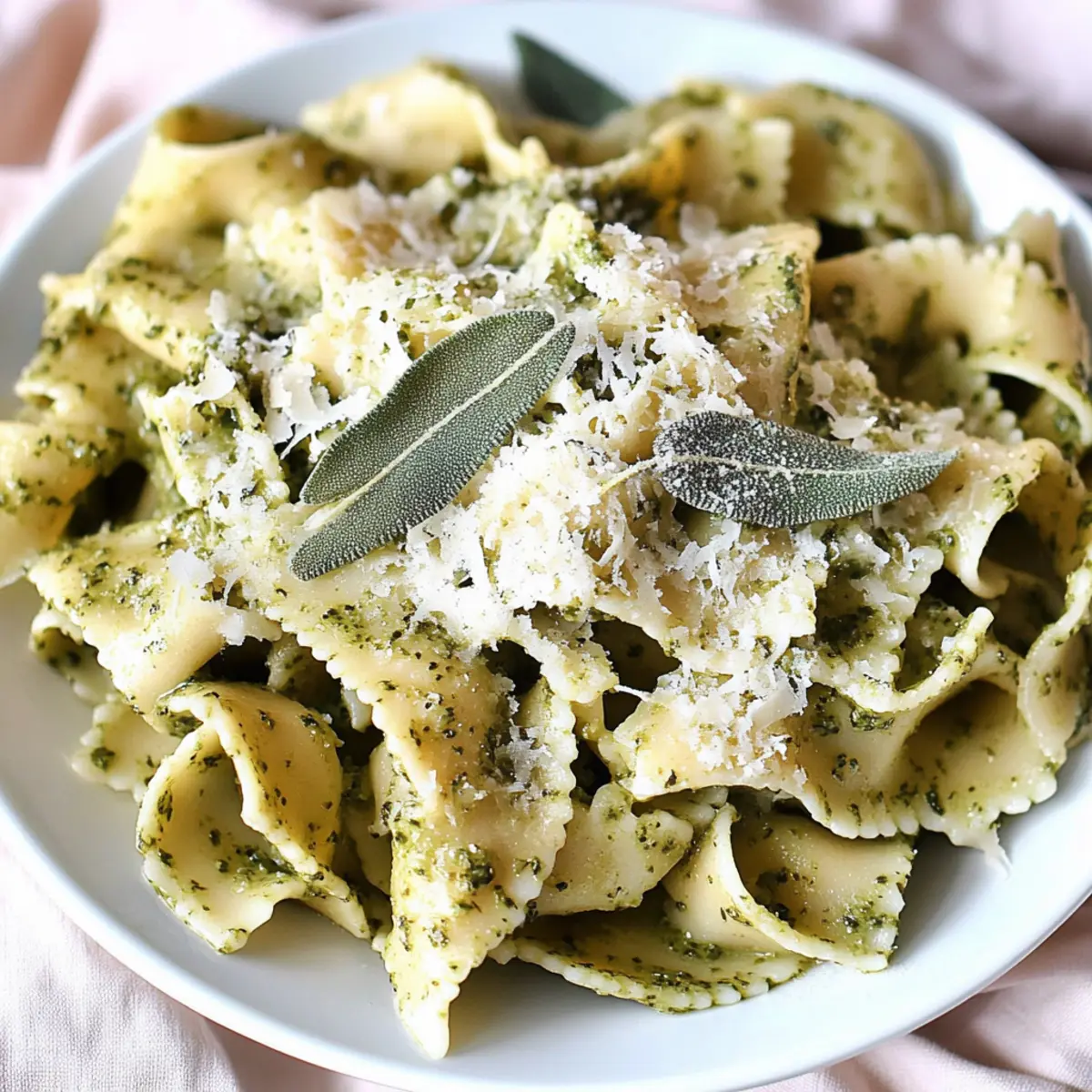
Why Choose Sage Pesto?
Unique Flavor Profile: This recipe offers a distinctive twist that elevates your culinary repertoire. Earthy and aromatic, sage brings a refreshing change from traditional basil.
Quick and Easy: With just a few simple steps, you can whip up this homemade sage pesto in minutes—perfect for busy weeknights!
Customizable Delight: Don’t be afraid to mix and match herbs. Blend sage with basil or experiment with mint for a fresh take!
Healthy Alternative: Made with quality ingredients, this pesto is nutritious and lower in oil than store-bought versions.
Crowd-Pleaser: Whether tossed with pasta, spread on sandwiches, or used as a dip, this sage pesto is sure to impress! Try it alongside some Garlic Butter Potatoes for a delightful meal.
Ingredients for Fresh Sage Pesto
• For the Pesto Base
- Fresh Sage – A herb that offers a unique flavor; combine with basil for a different twist.
- Pine Nuts (or Walnuts) – Adds a creamy texture; walnuts make a great substitute if preferred.
- Extra Virgin Olive Oil – Enhances flavor and consistency; grapeseed oil can also work as a substitute.
- Parmesan Cheese – Brings a savory depth; using fresh cheese will elevate the taste.
- Garlic – Amplifies the overall flavor profile; feel free to adjust amount to suit your taste.
• For Storage
- Olive Oil for Drizzling – Helps to keep your pesto vibrant and fresh when stored.
This Fresh Sage Pesto Recipe is not just flavorful; it’s a versatile option that can be tailored to your taste preferences! Enjoy whipping up your new favorite pesto!
Step‑by‑Step Instructions for Fresh Sage Pesto Recipe
Step 1: Prepare Ingredients
Start by gathering your fresh sage, garlic, and nuts. Rinse the sage leaves under cool water and shake off excess moisture. Roughly chop about 2 cups of sage leaves and a couple of cloves of garlic, then measure out your nuts—either pine nuts or walnuts—about ¼ cup. Having everything prepped will make the blending process seamless.
Step 2: Blend
In a food processor, combine the chopped sage, garlic, and your chosen nuts. Pulse the mixture for about 20-30 seconds until everything is finely chopped but still has some texture. This step is crucial for developing the flavors in your Fresh Sage Pesto Recipe, so keep an eye on the consistency to avoid pureeing it completely.
Step 3: Add Oil
With the food processor running on low speed, slowly drizzle in ½ cup of high-quality extra virgin olive oil. Continue to process for about 30 seconds until the mixture becomes smoother but still retains some chunkiness. You want it to be creamy without losing that delightful texture, so monitor closely as you blend.
Step 4: Incorporate Cheese
Next, add ½ cup of freshly grated Parmesan cheese to your mixture. Pulse again for about 10-15 seconds to combine everything evenly. The cheese will add a savory depth to your Fresh Sage Pesto Recipe, bringing all the flavors together in a harmonious blend.
Step 5: Taste & Adjust
Once blended, take a moment to taste your pesto! This is the time to adjust the flavor; if you desire more salt or a splash more olive oil for a smoother consistency, add it gradually. Pulse again for a few seconds to mix any added ingredients into your Fresh Sage Pesto until you achieve your desired taste.
Step 6: Store
Transfer your homemade sage pesto into airtight jars, filling them to the top to minimize air exposure. Drizzle a little olive oil over the surface before sealing; this helps preserve color and flavor. Store the jars in the refrigerator for up to 2 weeks, or you can freeze the pesto for longer-lasting enjoyment!
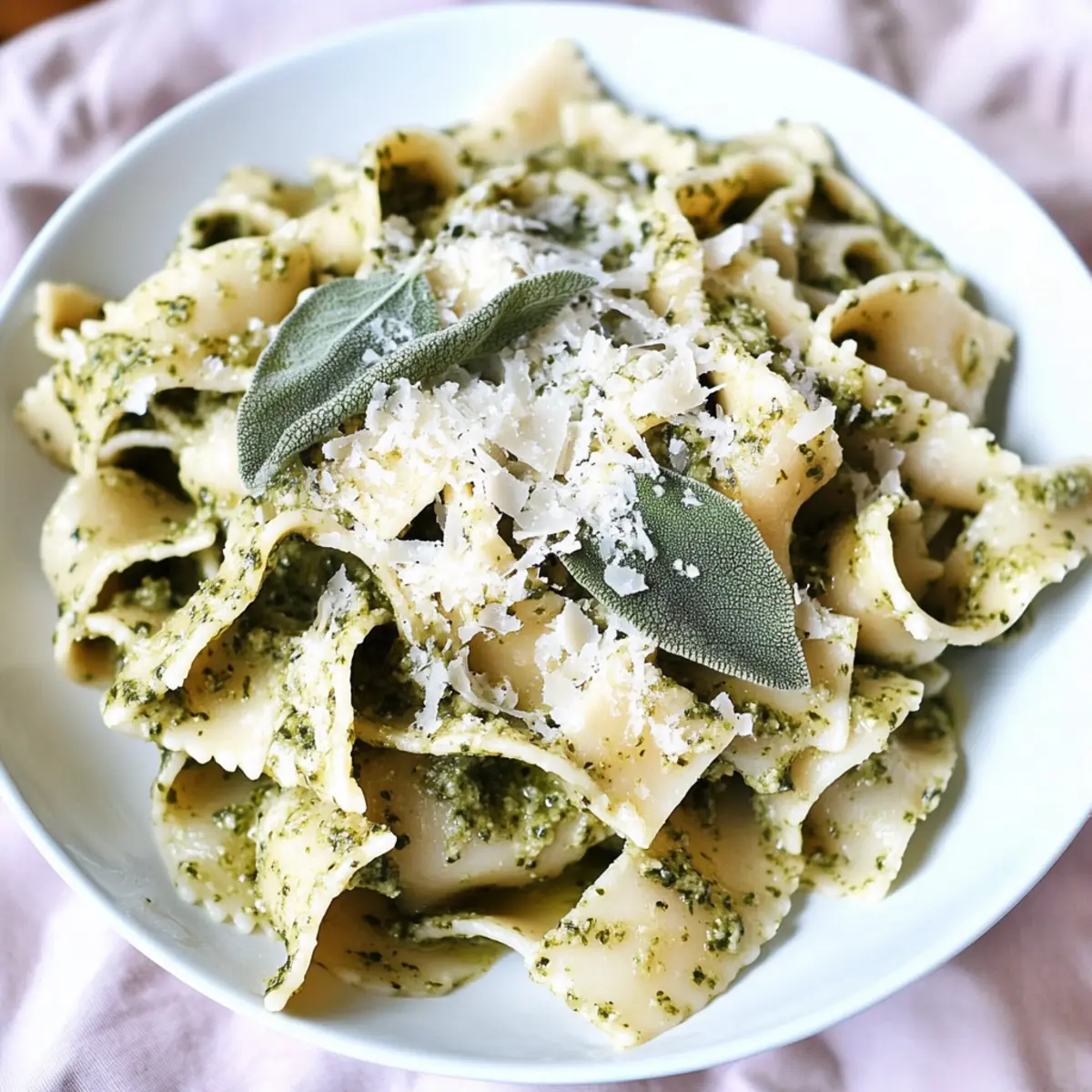
How to Store and Freeze Fresh Sage Pesto
Fridge: Store your fresh sage pesto in an airtight container for up to 2 weeks. Drizzle a thin layer of olive oil on top before sealing to keep it vibrant and flavorful.
Freezer: For longer storage, freeze your pesto in ice cube trays for up to a year. Once frozen, transfer the cubes to a resealable bag—perfect for adding to pastas later!
Reheating: When ready to use, simply toss a frozen cube directly into hot pasta or warm it gently on the stove—no need to thaw!
Freshness Tip: Avoid browning by ensuring your pesto is tightly sealed, and remember to use high-quality olive oil for the best flavor experience.
Fresh Sage Pesto Recipe Variations
Feel free to get creative with this sage pesto recipe and discover delightful twists that suit your taste buds!
-
Basil Blend: Mix sage with an equal amount of fresh basil for a herbaceous hybrid. This variation brings a new depth while keeping the classic pesto vibe.
-
Nutty Alternatives: Substitute walnuts for pecans or pistachios for an exciting nutty flavor. These nuts will add richness and a unique twist to your pesto.
-
Creamy Addition: Incorporate a splash of heavy cream or a dollop of cream cheese for an extra creamy texture. This is perfect if you prefer a richer pesto that spreads beautifully.
-
Herb Fusion: Try adding fresh mint or dill alongside the sage for a refreshing twist. Mint lends a springy brightness, while dill offers earthy undertones that are delightful in summer dishes.
-
Spice It Up: Add a pinch of red pepper flakes for a subtle kick! It’s a simple way to introduce some heat without overpowering the sage’s unique flavor.
-
Zest Boost: Grate in some lemon or orange zest for a zesty and bright flavor infusion. This citrusy touch will lift the pesto and make it extra inviting, especially when drizzled over pasta.
-
Cheesy Variety: Swap Parmesan cheese for a sharper cheese, like Pecorino Romano, for a bolder flavor profile. This twist adds depth and complements a variety of dishes beautifully.
-
Vegan Twist: For a vegan-friendly version, omit the cheese and add nutritional yeast for a cheesy flavor. This is a fantastic option for those following a plant-based diet!
By trying out these variations, your homemade sage pesto is sure to turn into a family favorite! Don’t forget to pair it with tasty dishes like some delightful Peach Fritters Sweet for a deliciously balanced meal!
Make Ahead Options
Preparing this Fresh Sage Pesto recipe in advance is a fantastic way to save time during busy weeknights! You can blend the pesto components—sage, garlic, nuts, and Parmesan—up to 24 hours ahead. Simply store in an airtight container, drizzled with a bit of olive oil to prevent browning. When you’re ready to serve, just give it a quick stir to recombine, and if it appears too thick, add a touch more olive oil to achieve your desired consistency. Alternatively, feel free to freeze portions of the pesto in ice cube trays for up to 3 months; this ensures you have flavorful, homemade pesto ready to toss into your favorite dishes without the hassle!
Expert Tips for Fresh Sage Pesto
-
Quality Ingredients: Use the freshest sage and high-quality olive oil for the best flavor. Quality ingredients make all the difference in your Fresh Sage Pesto Recipe!
-
Avoid Over-Blending: Blend just enough to achieve a chunky texture. Over-blending will turn your pesto into a puree, losing that delightful structure.
-
Taste While Making: Always taste your pesto as you go. Adjust salt, oil, or cheese until it meets your flavor preference for the perfect balance.
-
Experiment with Variations: Mix in different herbs or nuts to create unique flavors. Don’t be afraid to innovate with your Fresh Sage Pesto for variety!
-
Store Properly: To prevent browning, fill jars tightly and drizzle olive oil on top before sealing. This helps maintain the vibrant color and fresh taste.
What to Serve with Easy Homemade Sage Pesto?
Elevate your meal with delightful pairings that complement the vibrant flavors of fresh sage pesto, creating a memorable dining experience.
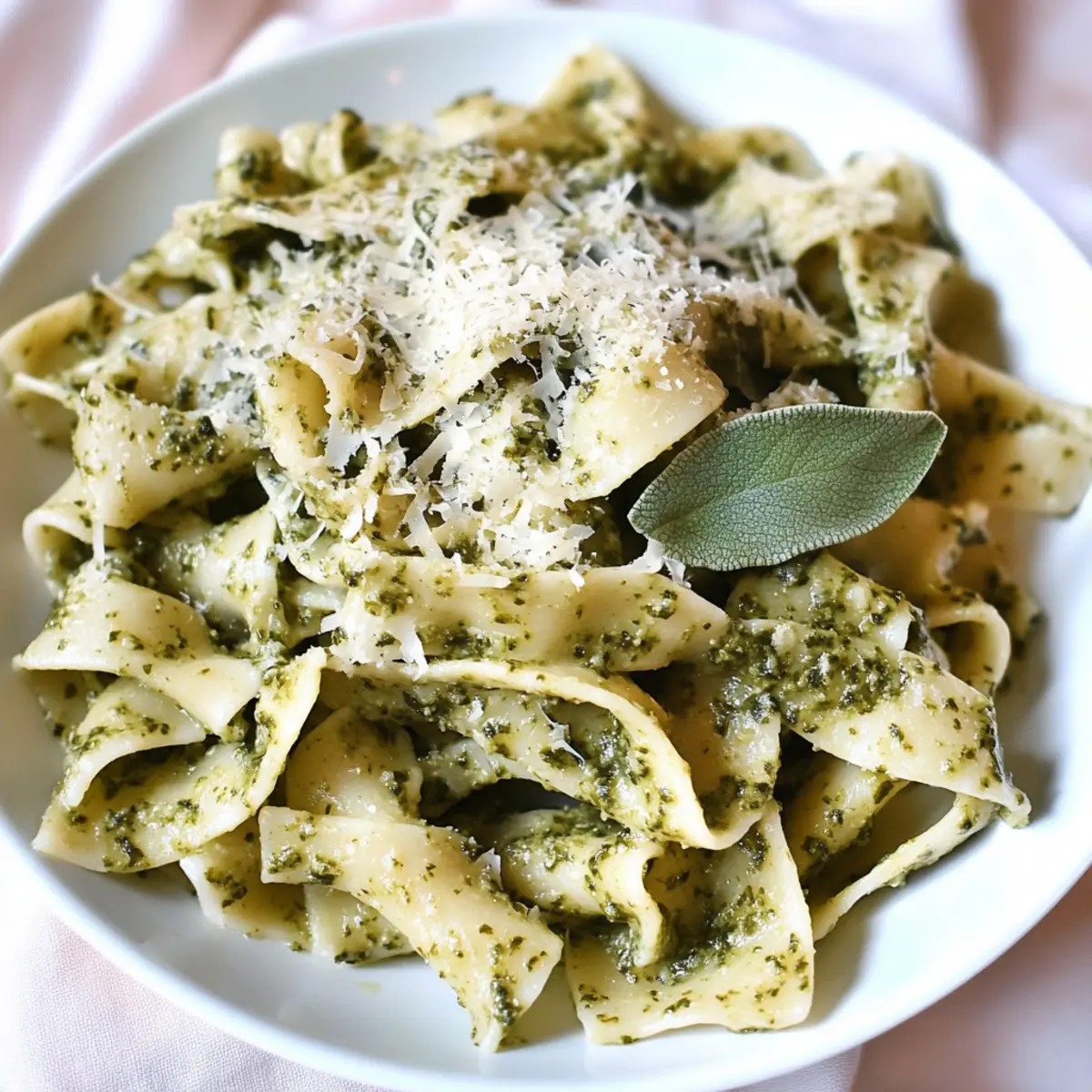
- Creamy Pasta: Toss your sage pesto with al dente spaghetti for a smooth, flavorful embrace that coats each strand perfectly.
- Grilled Chicken: A drizzle of sage pesto enhances juicy grilled chicken, adding a herbal depth that pairs beautifully with meat.
- Caprese Salad: Use sage pesto as a dressing for fresh mozzarella and tomatoes, offering an earthy twist on a classic favorite.
- Crusty Bread: Spread the pesto on warm, crusty bread for a simple yet inviting appetizer that encourages sharing.
- Roasted Vegetables: Drizzle roasted seasonal veggies with sage pesto for an extra layer of flavor, enhancing their natural sweetness.
- Savory Sandwiches: Use it as a sandwich spread, adding a burst of flavor and creaminess that elevates your lunchtime favorite.
- Pesto Pizza: Swap traditional tomato sauce for sage pesto on your pizza, providing a unique and aromatic twist to each bite.
- Savory Quiche: Mix it into your quiche filling for a gourmet breakfast that’s bursting with flavor and sure to impress guests.
- Crisp White Wine: Pair with a chilled Sauvignon Blanc; its zesty notes will complement the herbal tones beautifully.
- Fruit Tart: For dessert, a light berry tart offers a sweet contrast, balancing out the richness of the pesto-infused dishes.
Fresh Sage Pesto Recipe FAQs
What kind of sage should I use for the best flavor?
Absolutely, fresh sage is the way to go! Look for bright green leaves with a strong aroma. Avoid sage that has dark spots or feels wilted, as this indicates it’s past its prime. If you can’t find fresh sage, dried can work in a pinch, but fresh will definitely provide the best flavor!
How long can I store my homemade sage pesto?
You can keep your fresh sage pesto in an airtight container in the refrigerator for up to 2 weeks. I recommend drizzling a thin layer of olive oil on top before sealing, as this helps to keep the vibrant color and fresh flavor intact.
Can I freeze sage pesto, and if so, how?
Yes! Freezing sage pesto is a fantastic way to preserve it. First, spoon the pesto into ice cube trays and freeze until solid. Once frozen, transfer the cubes into a resealable freezer bag. They’ll keep for up to a year! When you’re ready to use, simply toss a frozen cube straight into your hot pasta or warm it gently in a pan.
What should I do if my pesto is too thick?
Very, if your pesto ends up thicker than you’d like, don’t worry! You can easily solve this by gradually adding more olive oil while blending until you reach your desired consistency. This will not only smoothen your pesto but also enhance its flavor.
What dietary considerations should I keep in mind?
Great question! This fresh sage pesto recipe is vegetarian, and you can easily make it gluten-free if you use gluten-free pasta or crackers. If you’re concerned about allergies, be mindful of nut allergies when using pine nuts or walnuts; you can substitute with seeds like pumpkin seeds. Always check with your guests to ensure everyone’s dietary needs are met!
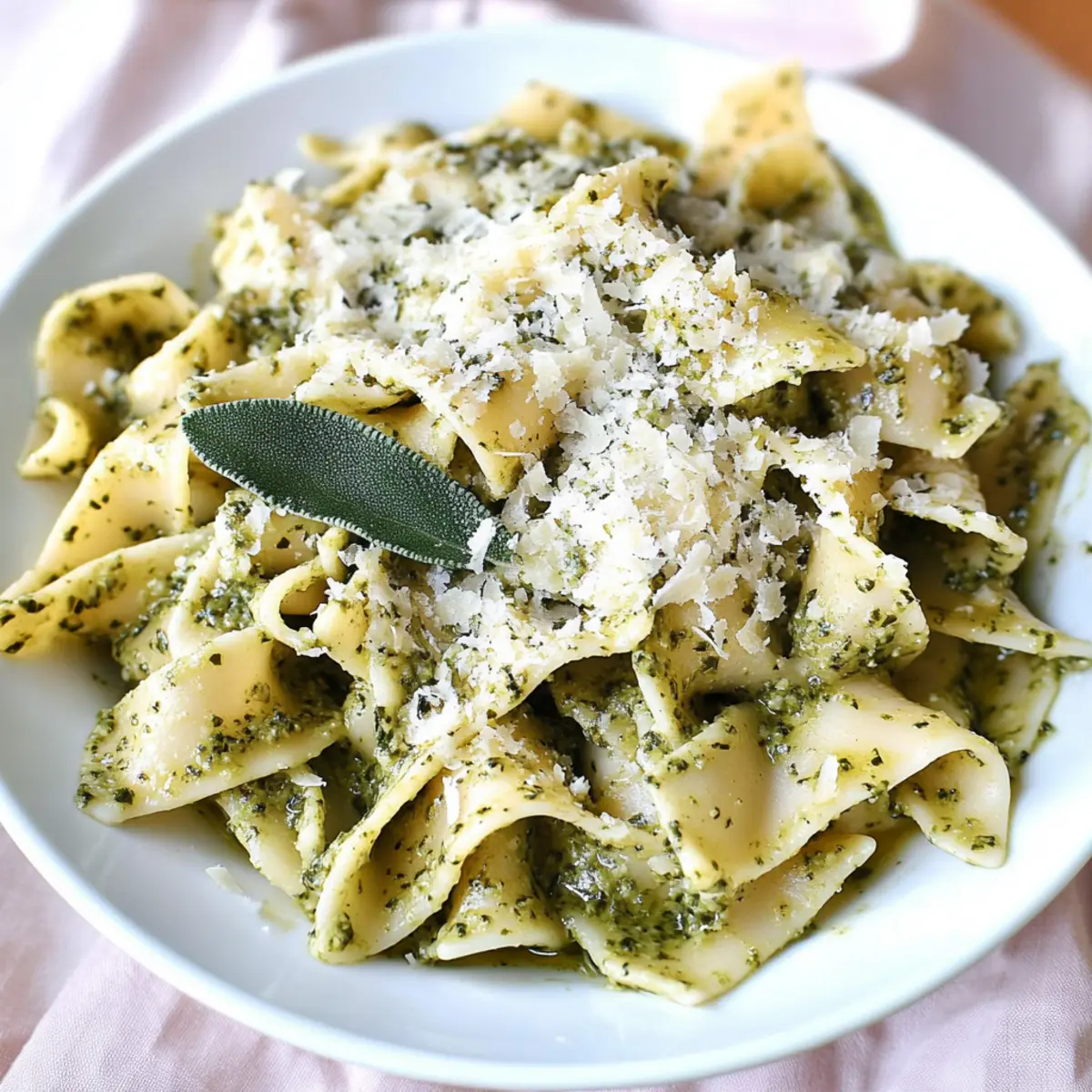
Fresh Sage Pesto Recipe: A Flavorful Twist on Classic Pesto
Ingredients
Equipment
Method
- Start by gathering your fresh sage, garlic, and nuts. Rinse the sage leaves under cool water and shake off excess moisture. Roughly chop about 2 cups of sage leaves and a couple of cloves of garlic, then measure out your nuts—either pine nuts or walnuts—about ¼ cup.
- In a food processor, combine the chopped sage, garlic, and your chosen nuts. Pulse the mixture for about 20-30 seconds until everything is finely chopped but still has some texture.
- With the food processor running on low speed, slowly drizzle in ½ cup of high-quality extra virgin olive oil. Continue to process for about 30 seconds until the mixture becomes smoother but still retains some chunkiness.
- Next, add ½ cup of freshly grated Parmesan cheese to your mixture. Pulse again for about 10-15 seconds to combine everything evenly.
- Once blended, taste your pesto! This is the time to adjust the flavor; add more salt or olive oil gradually to reach your desired taste.
- Transfer your homemade sage pesto into airtight jars, filling them to the top to minimize air exposure. Drizzle a little olive oil over the surface before sealing; this helps preserve color and flavor.
Leave a Reply