
It’s funny how a simple loaf of bread can transport you straight to a bustling Italian café, where the scent of freshly baked pastries fills the air. Today, I want to share with you my cherished recipe for Crusty Italian Bread, which not only brings warmth to family gatherings but also fills your kitchen with the irresistible aroma of home. This homemade delight is surprisingly easy to make, requiring just a handful of ingredients that you likely have on hand. Perfect for slathering with butter or accompanying your favorite pasta dish, this bread is sure to impress both novice bakers and seasoned pros. Are you ready to roll up your sleeves and create the best Italian bread of your life? Let’s dive in!
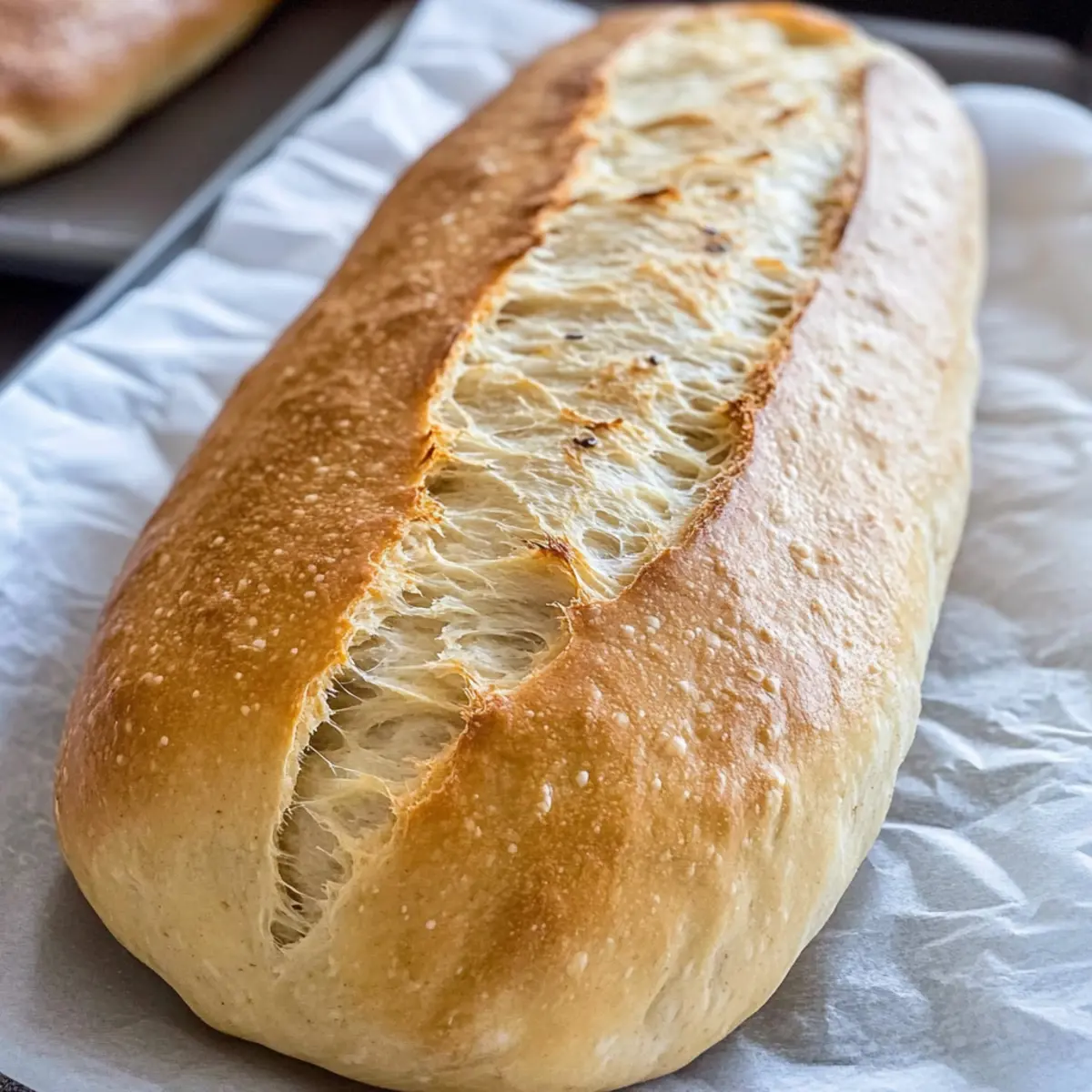
Why Is Homemade Bread So Special?
Warmth, Love, and Tradition: There’s something undeniably heartwarming about homemade bread, especially when it’s Crusty Italian Bread. Deliciously Versatile: This bread pairs beautifully with pasta dishes or simply enjoyed warm with butter. Crowd-Pleaser: Its delightful aroma fills your home, making it perfect for family gatherings. Easy to Master: With just a few simple ingredients, you can impress your loved ones without needing professional skills. Texture Paradise: Enjoy the perfect combination of a crunchy crust and a soft, airy interior. Embrace the joy of creating Italian-style comfort food at home! Check out our Pesto Chicken Flatbread for another delightful homemade treat!
Crusty Italian Bread Ingredients
• Craft your own warm, rustic bread with these simple components!
For the Dough
- Lukewarm Water – Activates yeast; ensure it’s just warm to the touch for optimal results.
- Yeast – This leavening agent helps the bread rise; fresh yeast will yield the best flavor.
- Brown Sugar – Adds a hint of sweetness and activates the yeast; white sugar works as a perfect substitute.
- Salt – Enhances the flavor and strengthens the dough; don’t skip this essential ingredient.
- Italian Seasoning – Infuses delightful herby flavors; use a mix of dried or fresh herbs depending on your preference.
- Olive Oil – Brings richness and moisture to the bread; melted butter can be used in place of olive oil.
- All-Purpose Flour – The backbone of your bread; use up to 4 cups to achieve the desired texture.
- Egg (beaten) & Water – This mixture creates a glossy finish for a gorgeous crust.
Step‑by‑Step Instructions for Crusty Italian Bread
Step 1: Prepare the Yeast
In a stand mixer bowl, combine 1 cup of lukewarm water (about 110°F) with 1 tablespoon of brown sugar and 2¼ teaspoons of yeast. Stir gently to dissolve and let it sit for about 5-10 minutes until it foams and becomes bubbly. This indicates that your yeast is active and ready to help your Crusty Italian Bread rise.
Step 2: Mix Ingredients
Once the yeast is foamy, add 2 tablespoons of olive oil, 1 teaspoon of salt, 1 tablespoon of Italian seasoning, and 3 cups of all-purpose flour into the mixer. Using the dough hook attachment, mix on low speed until the ingredients come together and form a soft dough. If the dough remains sticky, gradually add more flour, a few tablespoons at a time, until it pulls away from the sides of the bowl.
Step 3: First Rise
Cover the dough with a damp cloth and place it in a warm, draft-free area, like a turned-off oven or a sunny corner, for about 30 minutes. During this time, the dough will rise and double in size, becoming light and airy. Keep an eye on it; the dough should look puffy and well-expanded when ready.
Step 4: Shape Loaves
Once the dough has risen, transfer it to a floured surface and gently knead it for a minute. Divide the dough into two equal portions. Shape each portion into a loaf by forming it into a rectangular shape and pinching the seams closed. Place the loaves seam-side down on a parchment-lined baking sheet and cover them with the damp cloth for another 30 minutes to rise.
Step 5: Pre-Bake
Preheat your oven to 350°F (175°C) while the loaves rise. After the second rising, brush the tops of the loaves with the egg wash (beaten egg mixed with a tablespoon of water) for a glossy finish. Use a sharp knife to make a few diagonal slits on the top of each loaf to allow steam to escape, ensuring that your Crusty Italian Bread bakes evenly.
Step 6: Bake
Place a shallow dish filled with water on the bottom rack of the preheated oven to create steam, which will help develop a crusty exterior. Then, bake the loaves on the middle rack for about 30 minutes, or until they are golden brown and sound hollow when tapped. Your Crusty Italian Bread is now fragrant and ready to bring warmth to your family gatherings.
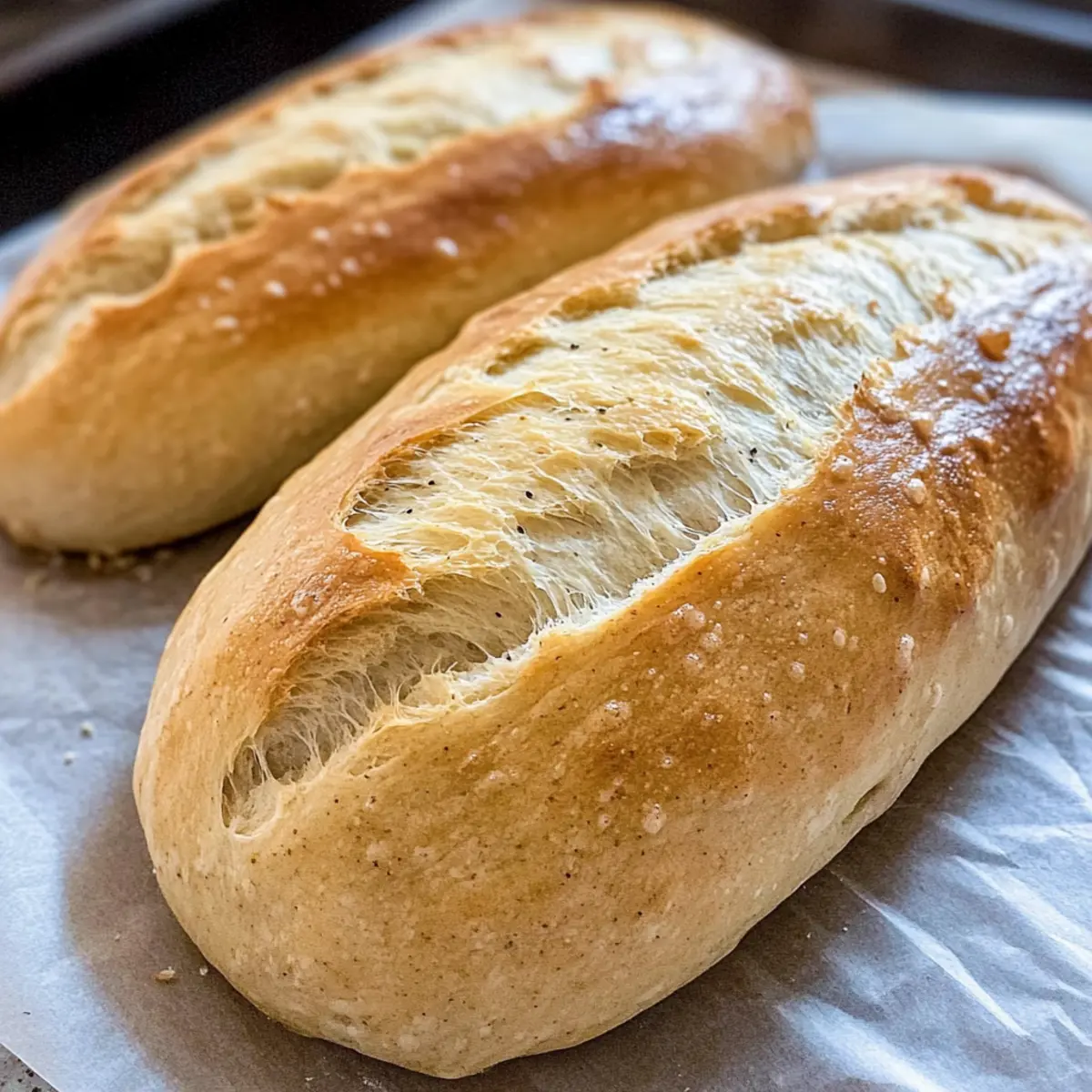
How to Store and Freeze Crusty Italian Bread
Fridge: Wrap the bread in foil or place it in a paper bag and store in the fridge for up to 3 days. This will help retain moisture while preventing the crust from becoming too soft.
Freezer: For longer storage, wrap the cooled loaves tightly in plastic wrap or aluminum foil, and place in a freezer-safe bag. They can be frozen for up to 3 months without losing flavor.
Reheating: When ready to enjoy, simply thaw at room temperature or reheat directly from frozen in a preheated oven at 350°F (175°C) for about 10-15 minutes, restoring that crusty exterior.
Room Temperature: If you plan to eat the bread within one day, keep it uncovered on the counter to maintain its crustiness. Avoid storing it in plastic bags, as this can make it soggy.
What to Serve with Homemade Crusty Italian Bread
As you prepare to savor your freshly baked delight, imagine enhancing your meal with these complementary dishes that celebrate Italian flavors.
-
Creamy Tomato Soup: This velvety soup is a classic pairing that contrasts beautifully with the crusty texture, creating a comforting experience.
-
Garlic Butter Shrimp: Juicy shrimp sautéed in garlic-infused butter brings a burst of flavor that pairs perfectly with slices of warm bread for dipping.
-
Caprese Salad: A refreshing blend of tomatoes, fresh mozzarella, and basil offers a bright, herbaceous contrast that enhances the bread’s rustic charm.
-
Bruschetta: Topped with ripe tomatoes and basil, this appetizer provides a vibrant and fresh topping that’s deliciously complemented by the bread’s crustiness.
-
Italian Meatballs: Hearty and savory, these meatballs in marinara sauce are fantastic when served with crusty Italian bread for soaking up every last drop.
-
Olive Oil and Balsamic Dip: A simple yet delightful way to enjoy your bread, this rich and tangy dip brings out the subtle flavors of the loaf beautifully.
-
Pasta Primavera: Fresh garden vegetables tossed in olive oil and herbs sit harmoniously alongside crusty bread, offering a light yet comforting meal experience.
-
Limoncello: This sweet Italian liqueur adds a celebratory touch to any meal, cleansing the palate while enhancing the Italian theme.
-
Tiramisu: End your meal on a sweet note with this luscious dessert, which offers a delightful contrast to the savory flavors of your crusty Italian bread.
Make Ahead Options
Preparing your Crusty Italian Bread ahead of time is a convenient solution for busy weeknights! You can mix the dough and let it rise up to 24 hours in advance. Simply cover the mixed dough with plastic wrap and refrigerate after the first rise. When you’re ready to bake, allow it to come to room temperature for about 30 minutes before shaping and proceeding with the second rise. This process not only saves you time but also enhances the flavor, resulting in a deliciously fragrant loaf. Remember, for the best quality, always check the dough for any signs of over-proofing before baking!
Expert Tips for Crusty Italian Bread
-
Perfect Water Temperature: Use lukewarm water (around 110°F) to activate the yeast effectively without killing it. Too hot or too cold can hinder rising.
-
Use Fresh Yeast: For the best results in your Crusty Italian Bread, always opt for fresh yeast. Old or expired yeast can lead to flat bread.
-
Knead Well: If kneading by hand, ensure to knead the dough for at least 5-8 minutes until it’s smooth and elastic. This helps develop gluten for that perfect chewy texture.
-
Watch the Rise: Let the dough rise in a warm, draft-free place, as drafts can slow yeast activation. A well-risen dough is key for airy bread!
-
Steam for Texture: Adding a shallow pan of water in the oven while baking is crucial for achieving a crusty exterior. Don’t skip this step!
-
Cooling Matters: Allow the bread to cool on a wire rack to maintain its texture. Cutting bread too soon can result in a gummy interior.
Crusty Italian Bread Variations
Feel free to play around with this Crusty Italian Bread recipe and discover delightful twists to make it your own!
-
Herb-Infused: Add 1 tablespoon of your favorite herbs like rosemary or thyme into the dough for a fragrant touch. This way, every slice delivers more than just crust; it offers a culinary journey!
-
Whole Wheat Option: Swap half the all-purpose flour for whole wheat flour for a heartier texture and nutty flavor. This variation not only boosts nutrition but also adds depth to each bite.
-
Cheese-Studded Delight: Fold in 1 cup of shredded mozzarella or Parmesan cheese into the dough before the first rise. The melty cheese creates pockets of goodness that you won’t be able to resist!
-
Olive & Feta Mix: Incorporate chopped olives and crumbled feta into the dough for a Mediterranean twist. This combination brings a punch of flavor, elevating your bread to a whole new level.
-
Spicy Kick: Mix in a teaspoon of red pepper flakes to the dough for a bit of heat. This zesty addition will appeal to anyone who loves a spicy challenge!
-
Garlic Lover’s Dream: Add 3-4 minced garlic cloves to the dough for an irresistible aroma and flavor. Your kitchen will smell heavenly as the bread bakes!
-
Zucchini Twist: For a veggie boost, try adding shredded zucchini (about 1 cup) to the mix. It infuses moisture and nutrients, creating a delightful texture in your bread.
-
Savory Seeds: Sprinkle a mix of sesame or poppy seeds on top before baking for added crunch and visual appeal. This small touch makes a noticeable difference in the aesthetic and taste.
As you embark on your baking adventure, consider pairing your loaf with warm pasta, or indulge in a slice spread with garlic butter. Don’t forget to check out our delicious Zucchini Flatbread Herbs recipe for more inspiration!
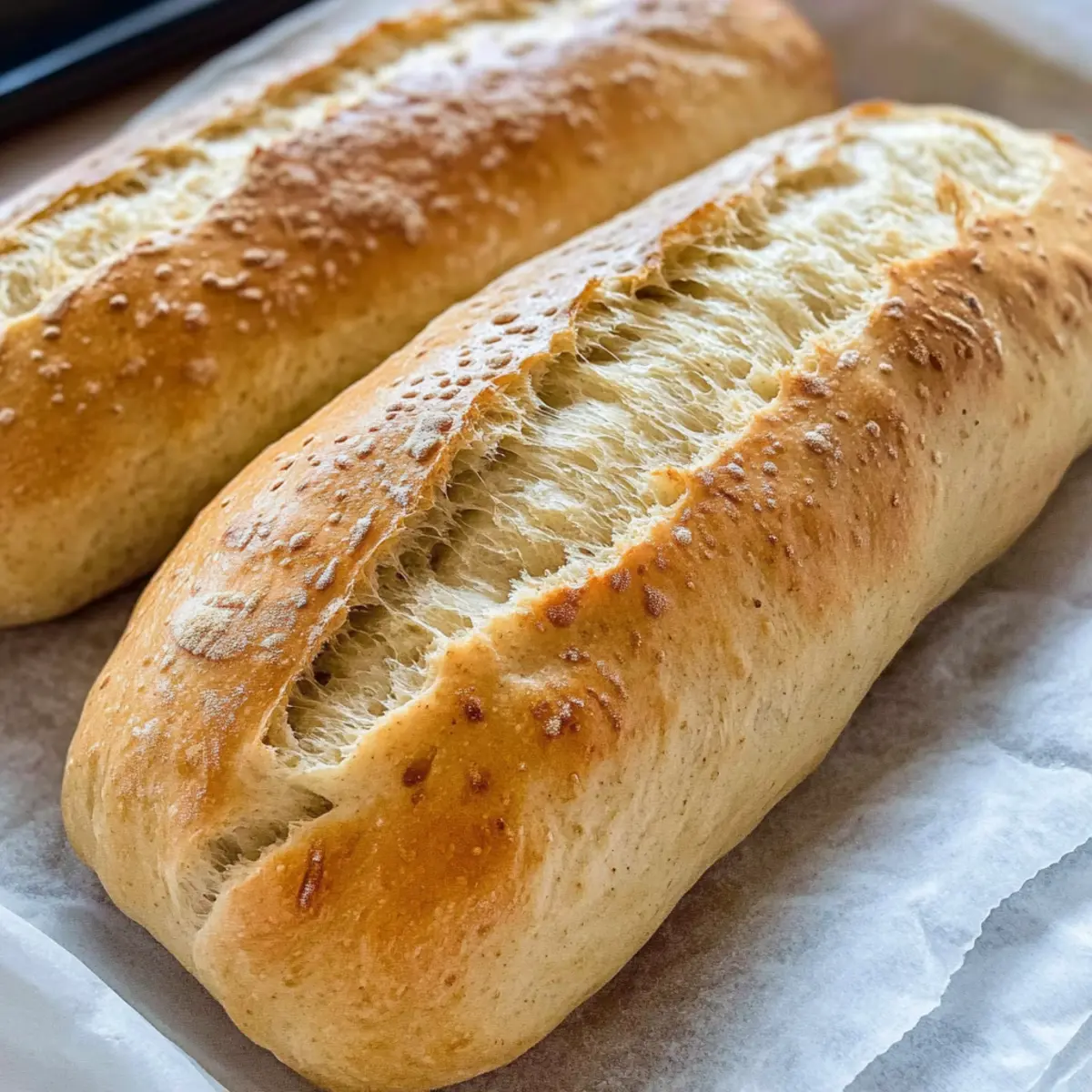
Crusty Italian Bread Recipe FAQs
How do I choose the best ingredients for my Crusty Italian Bread?
Absolutely! When selecting your ingredients, look for fresh yeast in the refrigerator section of your grocery store. Check the expiration date to ensure it’s active. For the flour, use all-purpose for the best balance of structure and chewiness. When selecting olive oil, a good-quality extra virgin olive oil will enhance the flavor of your bread.
How should I store my Crusty Italian Bread once it’s baked?
To keep your bread fresh, store it at room temperature wrapped in foil or placed in a paper bag for up to 3 days. This will prevent it from becoming too soft and preserve that delightful crust. If you want your bread to last longer, wrap it tightly in plastic wrap after it has cooled completely and then place it in the freezer.
Can I freeze Crusty Italian Bread, and what’s the best way to do it?
Yes, you can absolutely freeze your Crusty Italian Bread! First, let the loaves cool all the way down. Then, wrap each loaf tightly in plastic wrap or aluminum foil to prevent freezer burn. Finally, store them in a freezer-safe bag. They can last up to 3 months in the freezer. When you’re ready to enjoy, thaw them at room temperature or pop them in a preheated oven at 350°F (175°C) for about 10-15 minutes to restore that crunchy crust.
What do I do if my bread doesn’t rise as expected?
If your bread doesn’t rise well, it could be due to inactive yeast. Make sure your water was lukewarm (about 110°F) and not too hot or cold. If your dough feels too sticky during mixing, gradually add more flour until it pulls away from the sides of the bowl. If needed, give it more time in a warm place, as proofing too quickly in a cold room can also hamper rising. Trust the process—it’s all part of the journey!
Is this Crusty Italian Bread recipe suitable for those with dietary restrictions?
For those with gluten allergies, this recipe may not be suitable as it contains all-purpose flour. However, you can substitute gluten-free all-purpose flour designed for baking, though the texture may vary. As for egg allergies, an egg wash can be omitted; simply brush with a little water or oil before baking for a softer crust. Always ensure any substitutions fit your dietary needs.
What should I do if my bread comes out too dense?
If you find your Crusty Italian Bread is denser than you expected, this may be due to not kneading the dough adequately or adding too much flour. Make sure to knead the dough for at least 5-8 minutes to develop the gluten properly, which helps create an airy texture. Additionally, ensure that you are measuring your flour correctly—scooping it can compact it too much, so it’s always best to spoon it into the measuring cup!
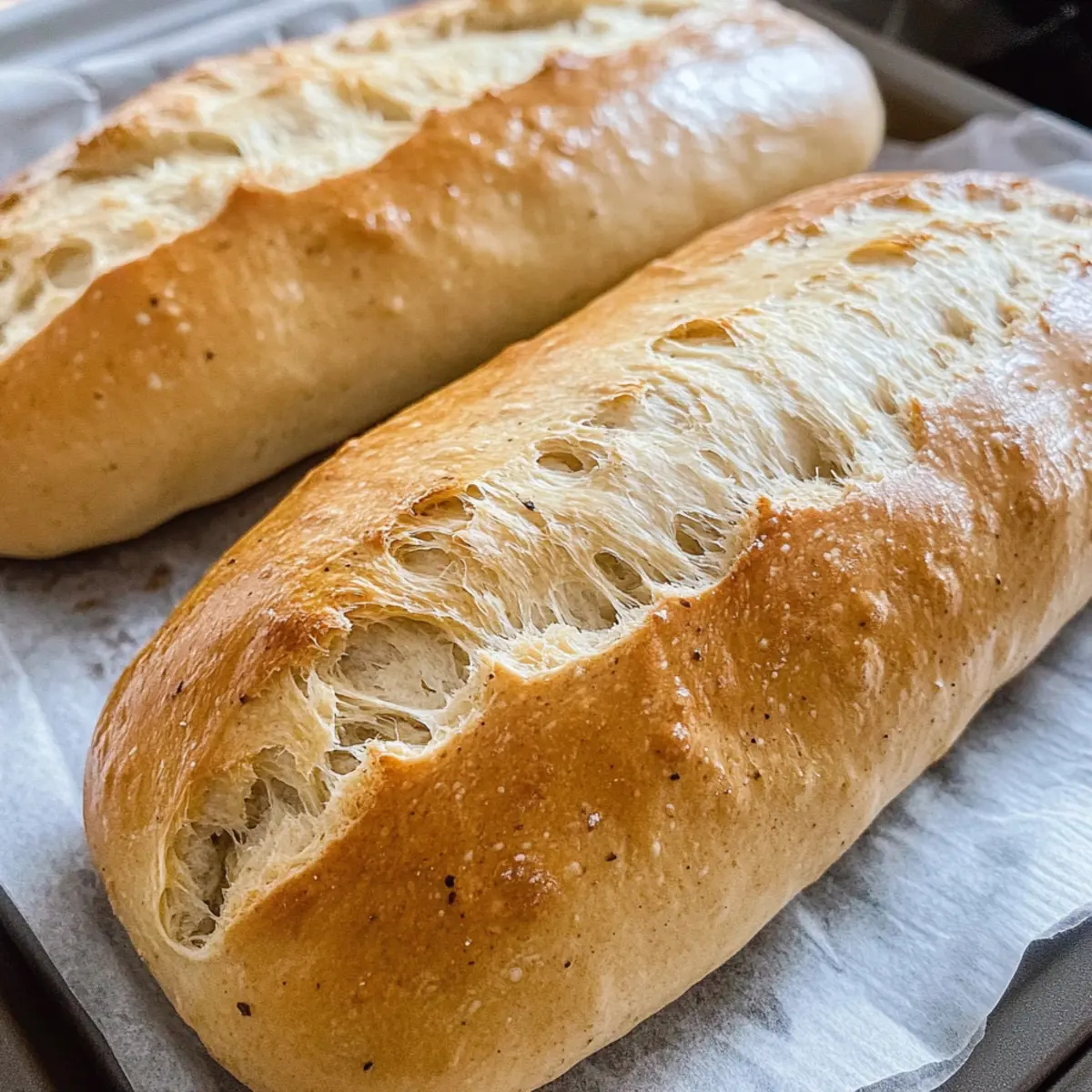
Crusty Italian Bread That Brings Family Together
Ingredients
Equipment
Method
- Combine 1 cup of lukewarm water, 1 tablespoon of brown sugar, and 2¼ teaspoons of yeast in a stand mixer bowl. Stir gently and let it sit for 5-10 minutes until foamy.
- Add 2 tablespoons of olive oil, 1 teaspoon of salt, 1 tablespoon of Italian seasoning, and 3 cups of all-purpose flour into the mixer. Mix on low speed until a soft dough forms. Add more flour if sticky.
- Cover the dough with a damp cloth and let rise in a warm area for 30 minutes until doubled in size.
- Knead the dough gently on a floured surface and divide into two equal portions. Shape each into a loaf and place seam-side down on a parchment-lined baking sheet. Cover and let rise for another 30 minutes.
- Preheat oven to 350°F (175°C). Brush the tops of the loaves with beaten egg wash and make diagonal slits to allow steam escape.
- Place a shallow dish filled with water on the bottom rack. Bake loaves for about 30 minutes or until golden brown and sound hollow when tapped.
Leave a Reply