
The aroma of warm dough frying in oil always brings back sweet memories of bustling New Orleans street corners. It was there that I first had the pleasure of indulging in buttermilk beignets—those pillowy, airy pastries that make a perfect breakfast or dessert. With their light texture and crispy exterior, these beignets are a guaranteed crowd-pleaser, offering a delightful twist of flavor that will have everyone reaching for seconds. Not only are they surprisingly easy to make at home, but the process of frying them is an adventure all its own. So, are you ready to elevate your cooking game and impress your family with these irresistible delights? Let’s dive into the world of buttermilk beignets!
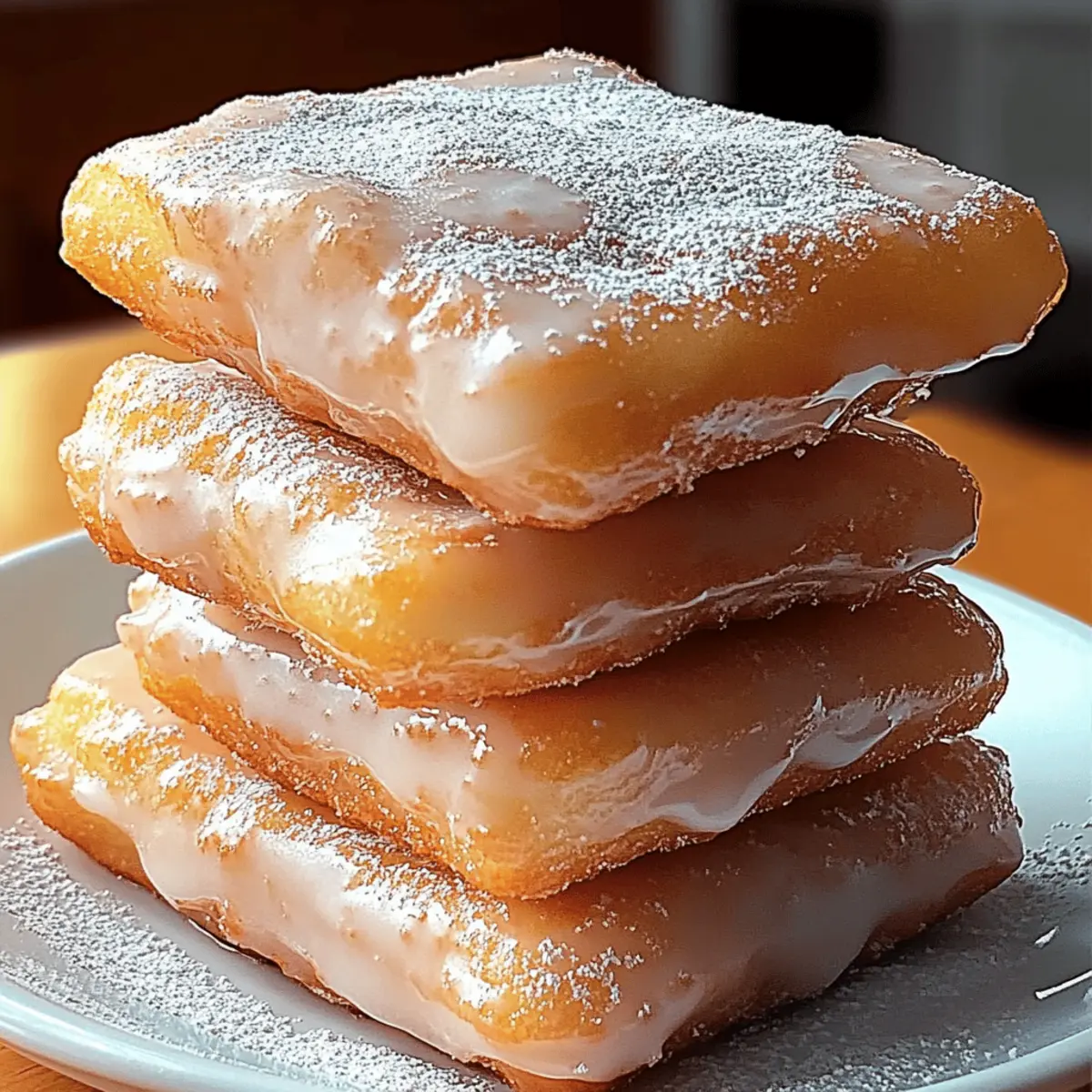
Why Are These Beignets So Special?
Irresistible Crispiness: The perfectly crispy exterior gives way to a fluffy interior, offering a delightful contrast that will have your taste buds dancing.
Easy to Make: You’ll love how simple it is to whip up these beignets at home, making them accessible for even novice cooks.
Endless Flavor Combinations: Customize your beignets by experimenting with fillings or adding spices like cinnamon to the powdered sugar.
Perfect for Any Occasion: Whether it’s breakfast, brunch, or dessert, these buttermilk beignets are versatile enough to fit any mealtime.
Crowd-Pleaser: Their airy texture and sweet flavor mean they’re sure to impress family and friends alike! You might also want to check out more delightful ideas in our breakfast section, where you can find other treats to complement your beignets!
Buttermilk Beignets Ingredients
• Get ready to create these fluffy delights!
For the Batter
- All-purpose flour – Provides structure; substitute with gluten-free flour for a gluten-free option.
- Granulated sugar – Adds sweetness; reduce for a less sugary taste.
- Baking powder – Leavens the dough for lightness; ensure it’s fresh for best results.
- Baking soda – Works with buttermilk for increased fluffiness; skip if using self-rising flour.
- Salt – Enhances flavor balance; a key ingredient to avoid blandness.
- Ground nutmeg – Adds warmth and depth; can be substituted with cinnamon for a spicier note.
- Buttermilk – Provides tanginess and contributes to a fluffy texture; mix milk with vinegar or lemon juice as a substitute.
- Eggs – Binds ingredients and aids in leavening; keep them at room temperature for optimal mixing.
- Vanilla extract – Imparts a pleasant aroma; optional if you prefer a straightforward flavor.
- Unsalted butter – Adds richness; alternatively, replace with vegetable oil for a dairy-free option.
For Frying
- Vegetable oil – Used for frying; ensure it can withstand high temperatures, like canola or peanut oil.
For Dusting
- Powdered sugar – Essential for that classic sugar coating; mix with spices like cinnamon for an exciting twist.
Get ready to impress your family and friends with these delicious buttermilk beignets!
Step‑by‑Step Instructions for Buttermilk Beignets
Step 1: Prepare Ingredients
Begin by measuring out all your ingredients in separate bowls to ensure a smooth mixing process for your buttermilk beignets. Gather your all-purpose flour, granulated sugar, baking powder, baking soda, salt, ground nutmeg, buttermilk, eggs, vanilla extract, melted butter, and prepare your vegetable oil for frying. Having everything ready will make the next steps much easier and more enjoyable.
Step 2: Mix Dry Ingredients
In a large mixing bowl, whisk together the flour, sugar, baking powder, baking soda, salt, and nutmeg until fully combined. Make sure no lumps remain in your dry mixture, as this will affect the texture of your buttermilk beignets. This dry blend creates the foundation for your fluffy pastries, so take a moment to get it right.
Step 3: Combine Wet Ingredients
In another bowl, mix together the buttermilk, room temperature eggs, vanilla extract, and melted butter until the mixture is smooth and well combined. This step is crucial as the wet ingredients will bind the dry ingredients, leading to the delightful, airy structure of your buttermilk beignets. Ensure everything is evenly incorporated for the best texture.
Step 4: Combine Mixtures
Gently fold the wet ingredients into the dry mixture using a spatula, mixing until just combined. The batter should remain slightly lumpy; avoid overmixing to ensure your buttermilk beignets remain light and fluffy. It’s okay if there are small pockets of flour—these will vanish as they cook!
Step 5: Rest the Batter
Allow the batter to rest for 10-15 minutes. This resting period allows the baking powder and baking soda to activate fully, which helps your beignets puff up during frying. Use this time to prepare your frying station, ensuring all equipment is ready for a smooth cooking process.
Step 6: Heat Oil
In a deep pot, heat your vegetable oil to a steady 350°F (175°C). Utilize a kitchen thermometer for accuracy, as maintaining the right oil temperature is vital for achieving that golden, crispy exterior on your buttermilk beignets. You’re aiming for a shimmering surface in the oil, indicating it’s hot enough for frying.
Step 7: Fry Beignets
Once the oil is hot, carefully drop spoonfuls of batter into the oil—3 to 4 at a time, to avoid overcrowding. Fry each batch for about 2-3 minutes on each side, or until they turn a lovely golden brown. Keep an eye on them, as they’ll puff up and can turn from golden to burnt quickly!
Step 8: Drain Excess Oil
Using a slotted spoon, remove the fried beignets from the oil and let them drain on paper towels. This will absorb any excess oil, keeping the exterior crispy and not greasy. Allow them to cool slightly, just enough that they’re safe to handle but still warm for the next step.
Step 9: Dust with Sugar
Generously sprinkle powdered sugar over the warm beignets, ensuring a delightful coating. The warm pastries will help the sugar adhere beautifully, creating that iconic sweet finish. Feel free to get creative with the dusting by adding some cinnamon for an added flavor twist!
Step 10: Serve Immediately
Your buttermilk beignets are best served fresh out of the fryer. Present them warm, perhaps with a side of preserves, chocolate sauces, or honey for dipping. These fluffy delights are bound to impress and make your culinary adventure a memorable one!
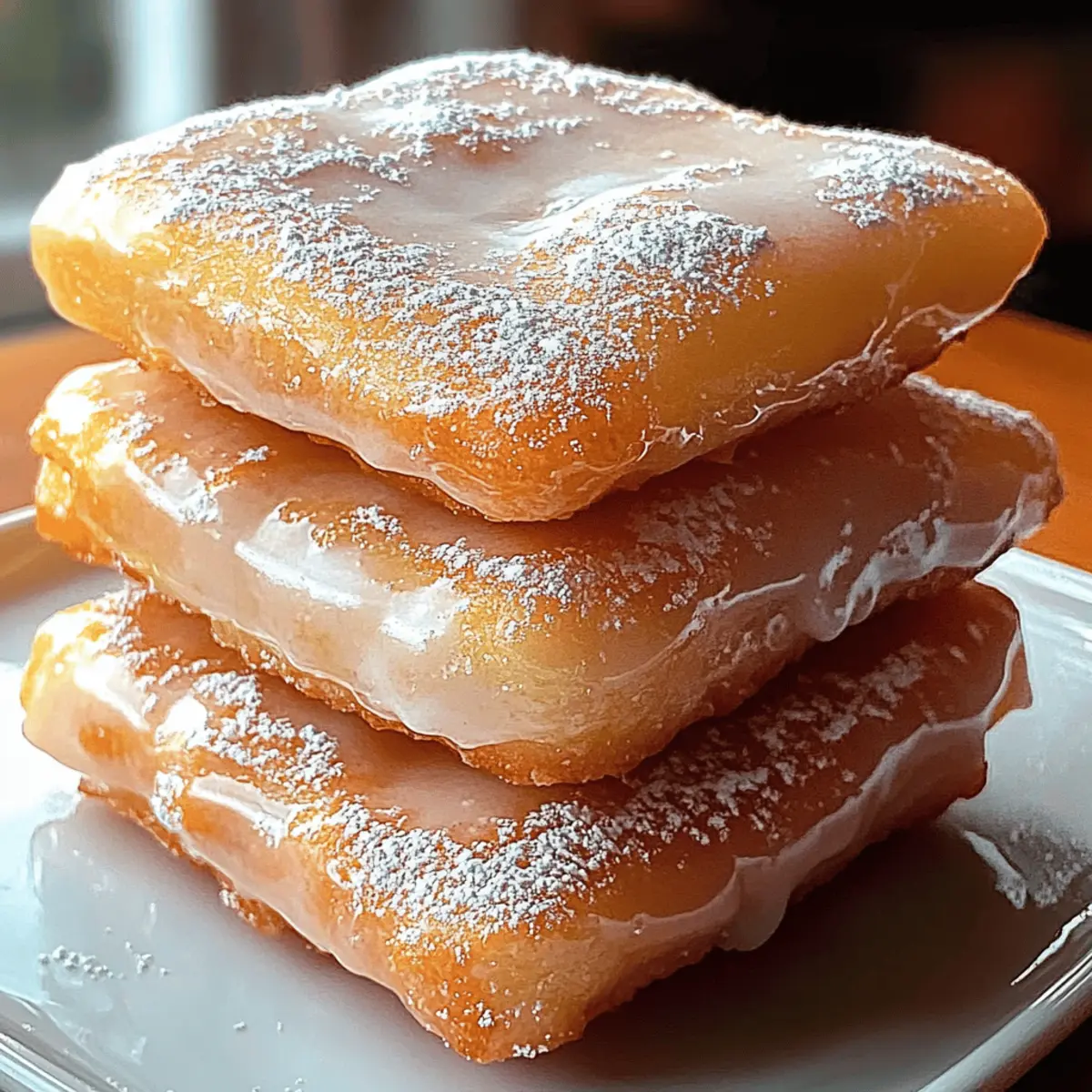
Expert Tips for Making Buttermilk Beignets
- Oil Temperature Control: Keep the oil at a consistent 350°F for even frying. Use a thermometer to avoid burning or greasy results.
- Don’t Overmix: Mix the batter gently until just combined to maintain the airy texture of your buttermilk beignets. Lumps are okay!
- Resting is Key: Allow the batter to rest for 10-15 minutes to enhance rise during frying, ensuring a fluffy interior.
- Fresh Ingredients Matter: Ensure your baking powder and baking soda are fresh; expired leaveners can result in dense beignets.
- Batch Frying: Fry only 3-4 beignets at a time to manage oil temperature and ensure they cook evenly without overcrowding.
Storage Tips for Buttermilk Beignets
Room Temperature: Keep leftover buttermilk beignets in an airtight container for up to 2 days to maintain their freshness and texture.
Fridge: If you prefer to store them longer, you can refrigerate them in an airtight container for up to a week, but note that they may lose some crispiness.
Freezer: For longer storage, freeze the beignets in a single layer in a freezer-safe bag for up to 3 months. Reheat them in a toaster oven for best results.
Reheating: To regain their delightful crispiness, reheat room temperature or refrigerated beignets in a toaster oven for 5-10 minutes at 350°F, or until warmed through.
Make Ahead Options
These delightful buttermilk beignets are perfect for meal prep enthusiasts! You can mix the dry ingredients (flour, sugar, baking powder, baking soda, salt, and nutmeg) up to 3 days in advance and store them in an airtight container to maintain freshness. The wet ingredients (buttermilk, eggs, vanilla extract, and melted butter) can be combined the night before and refrigerated overnight to save time in the morning. When you’re ready to fry, simply combine the wet and dry mixtures and let the batter rest for 10-15 minutes before frying. This way, you’ll enjoy fluffy, airy beignets with minimal effort during your busy mornings!
Buttermilk Beignets Variations & Substitutions
Feel free to explore your culinary creativity with these delightful variations to elevate your beignet-making adventure. Each twist adds a unique flavor or character, inviting you to concoct a treat that suits your taste!
- Cinnamon Sugar: Add cinnamon to the powdered sugar for a cozy and aromatic finish.
- Fruit-Filled: Consider filling your beignets with fruit preserves or chocolate ganache for a gourmet surprise! Think about blending sweet and savory flavors for an exquisite experience.
- Spicy Twist: Add ground cardamom or allspice into the batter for a warm, spicy note that surprises the palate.
- Lemon Zest: Substitute part of the buttermilk with fresh lemon juice and zest to give your beignets a bright, tangy twist that lightens the flavor profile.
- Maple Glaze: Drizzle a maple syrup glaze over the warm beignets instead of dusting with sugar for a unique and indulgent treat.
- Dairy-Free: Replace buttermilk with almond milk mixed with a teaspoon of vinegar for a delicious dairy-free option.
- Nutty Flavor: Incorporate finely chopped nuts like walnuts or almonds into the batter to add texture and a delightful crunch.
- Chocolate Chips: Mix in chocolate chips before frying for added sweetness and a gooey surprise in every bite.
Don’t forget to explore more breakfast treats like delightful French Toast or scrumptious Pancakes to complement your fluffy buttermilk beignets!
What to Serve with Buttermilk Beignets
Indulging in these fluffy pastries opens the door to a world of delightful pairings that amplify their deliciousness.
- Fresh Fruit Salad: A medley of seasonal fruits adds a refreshing burst of flavor, balancing the sweetness of the beignets perfectly.
- Rich Chocolate Sauce: Drizzling warm chocolate sauce over your beignets creates an irresistible combination that chocolate lovers won’t be able to resist.
- Sweet Cream or Mascarpone: This creamy accompaniment enhances the texture and adds a luxurious touch. It’s perfect for dipping and adds a hint of richness.
- Café au Lait: A warm glass of café au lait complements the beignets beautifully, providing a delightful coffee kick that enhances their sweet flavors.
- Spiced Apple Compote: This warm, fruity topping adds a comforting, spiced note that pairs wonderfully with the airy beignets.
- Maple Syrup: Drizzling real maple syrup over your beignets adds a touch of earthiness that contrasts beautifully with their sweetness.
- Vanilla Ice Cream: Serving a scoop of vanilla ice cream alongside these warm pastries creates a heavenly dessert experience with soft vanilla richness.
- Mint Tea: A soothing mint tea offers a fresh contrast to the sweet flavors, making for a lovely, lighter pairing.
- Cinnamon Sugar Dusting: For an extra burst of warmth, toss your beignets in a cinnamon-sugar mix before serving—they’ll be utterly irresistible!
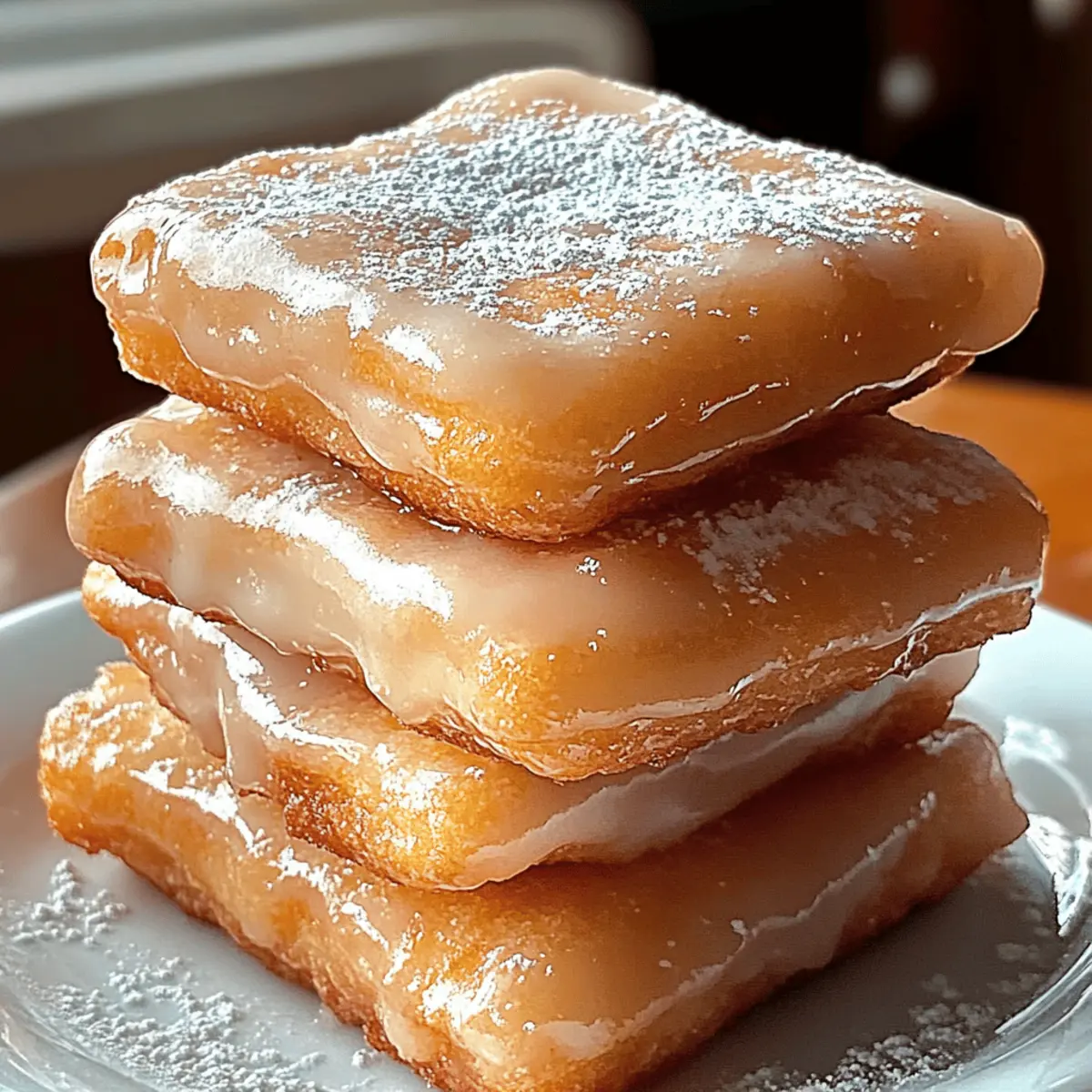
Buttermilk Beignets Recipe FAQs
How do I choose the right buttermilk for this recipe?
Absolutely! Look for fresh buttermilk with a clean smell and no lumps. If you can’t find it, you can easily make a substitute by mixing 1/2 cup of milk with 1/2 tablespoon of white vinegar or lemon juice. Let it sit for about 5 minutes until it thickens slightly—that will work just fine for your buttermilk beignets!
What is the best way to store leftover buttermilk beignets?
You can store leftover buttermilk beignets in an airtight container at room temperature for up to 2 days. If you want them to last longer, go ahead and refrigerate them for up to a week, but they might lose some of their signature crispiness. I often suggest enjoying them warm, so consider reheating in a toaster oven for a few minutes!
Can I freeze buttermilk beignets?
Yes, you can! To freeze buttermilk beignets, place them in a single layer on a baking sheet until they are solid, then transfer them to a freezer-safe bag. They will stay fresh for up to 3 months. When you’re ready to indulge, simply reheat them in a toaster oven for 5-10 minutes at 350°F until they’re warm and crispy again.
What should I do if my beignets turn out dense?
Very common! Dense beignets often result from overmixing the batter or using expired baking powder/soda. To prevent this, mix the wet and dry ingredients until just combined, and check the expiration date on your leavening agents. If you find you’ve overmixed, you can still fry them, but they may not have that wonderfully light texture you’re after.
Are buttermilk beignets safe for people with allergies?
If you or someone you’re serving has dietary restrictions, I recommend checking all your ingredients. This recipe contains gluten and dairy, but you can easily accommodate gluten-free needs by swapping in a gluten-free flour blend. Also, feel free to replace the eggs with a suitable egg substitute—like flaxseed or chia eggs—if that’s a concern.
What kind of oil should I use for frying?
I suggest using vegetable oil that can withstand high temperatures, like canola or peanut oil. These oils have high smoke points, which are ideal for frying beignets without burning up! Always keep the oil at a steady temperature of 350°F for that perfect golden brown finish.
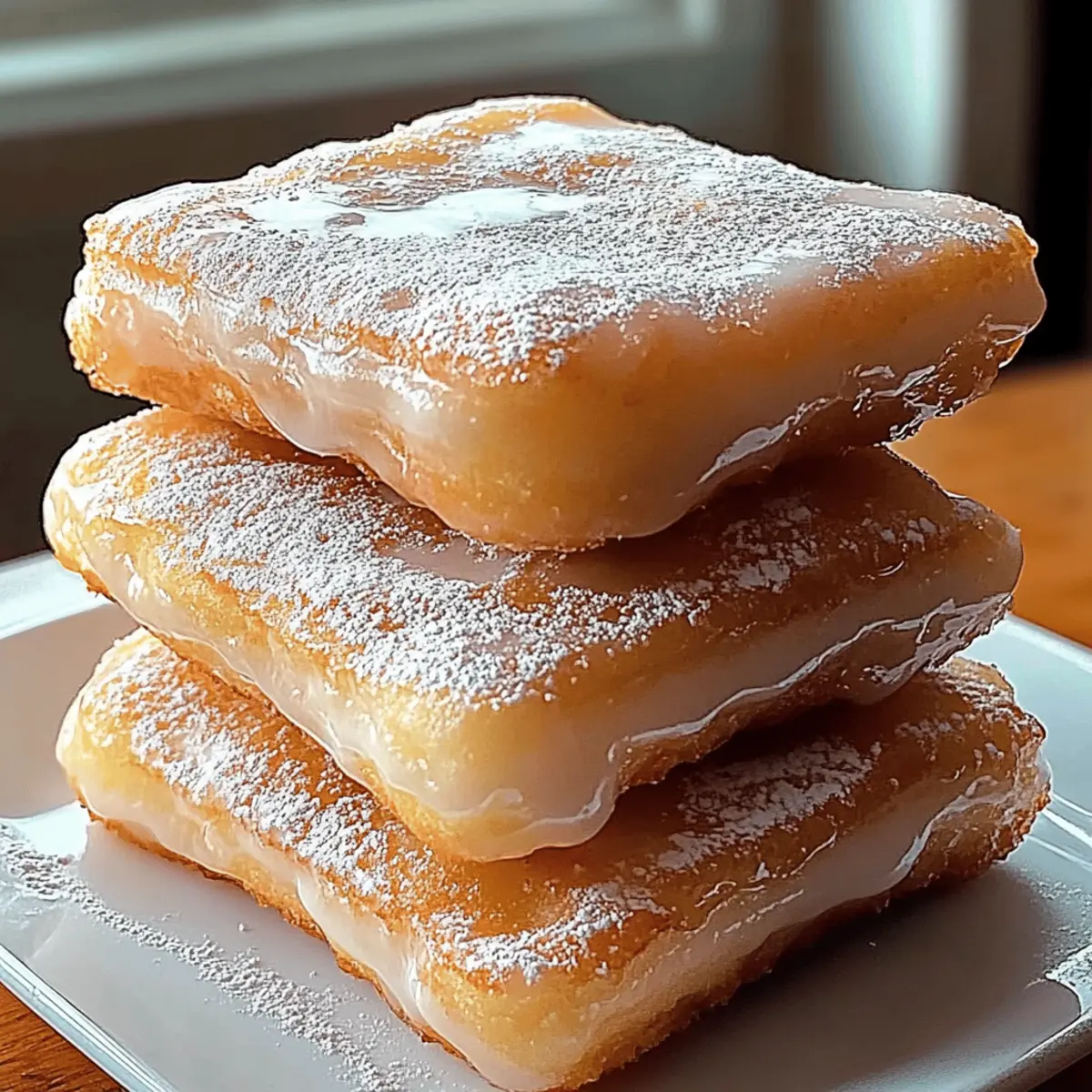
Fluffy Buttermilk Beignets That Are Irresistibly Sweet
Ingredients
Equipment
Method
- Prepare all your ingredients in separate bowls to ensure a smooth mixing process.
- In a large mixing bowl, whisk together the flour, sugar, baking powder, baking soda, salt, and nutmeg until fully combined.
- In another bowl, mix together the buttermilk, room temperature eggs, vanilla extract, and melted butter until the mixture is smooth.
- Gently fold the wet ingredients into the dry mixture using a spatula until just combined.
- Allow the batter to rest for 10-15 minutes to activate the leaveners.
- Heat vegetable oil in a deep pot to a steady 350°F (175°C).
- Drop spoonfuls of batter into the oil, frying 3-4 at a time for 2-3 minutes on each side.
- Remove fried beignets using a slotted spoon and let them drain on paper towels.
- Sprinkle powdered sugar generously over the warm beignets.
- Serve immediately, perhaps with a side of preserves or chocolate sauce.
Leave a Reply