
Stepping into the kitchen for a quick dinner, I had a moment of inspiration that set my taste buds tingling. I reached for a robust eggplant, and thus began my adventure with Miso Glazed Eggplant, a dish that harmonizes tenderness and a rich, savory-sweet glaze in a delightful dance. This vegetarian side dish not only delivers an explosion of umami but also boasts the perk of being incredibly quick to prepare. Perfect for busy weeknights or casual gatherings, this recipe honors Japanese culinary tradition while inviting you to experiment with flavor. Have you ever thought about transforming humble ingredients into a standout dish? Let’s dive into this mouthwatering journey together!
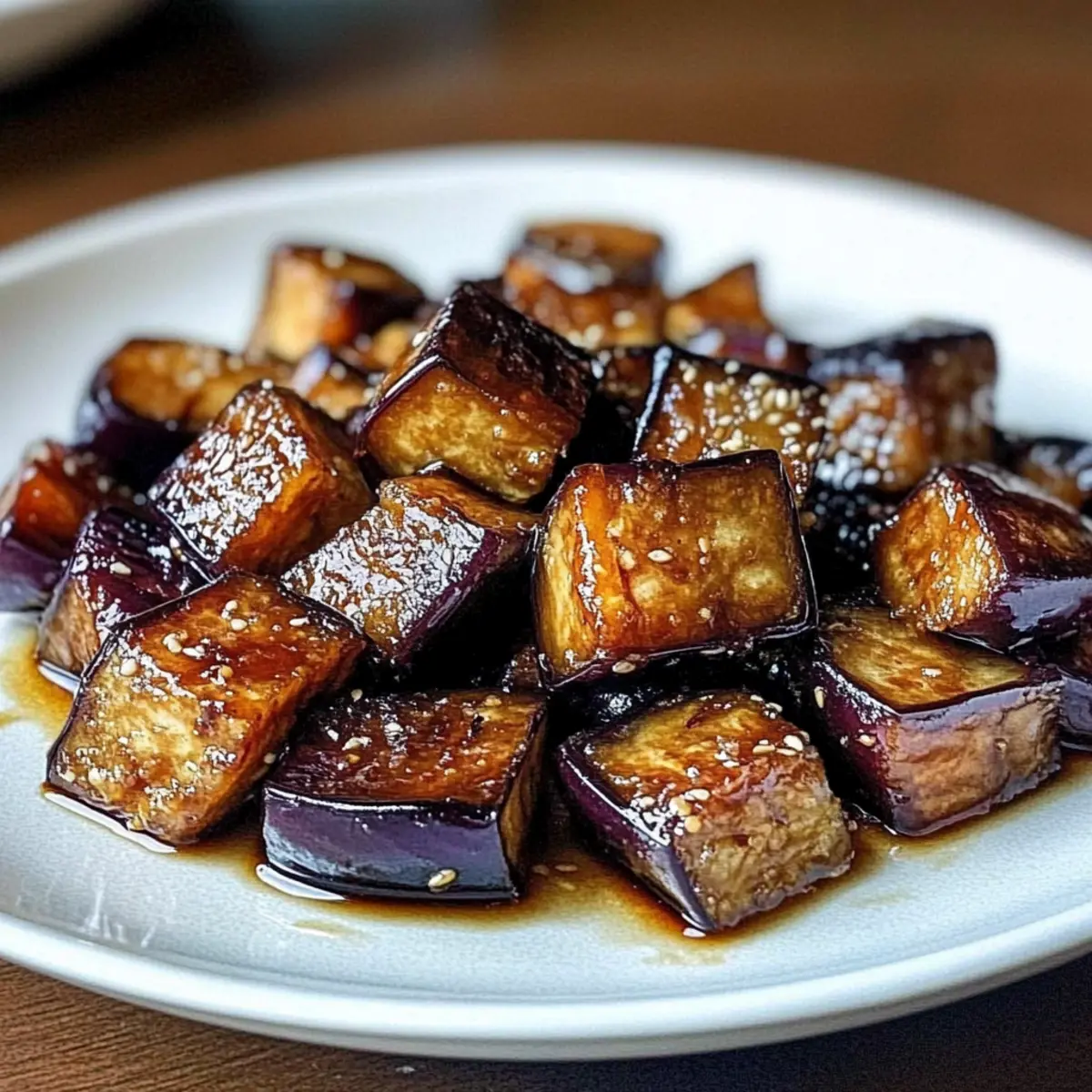
Why is Miso Glazed Eggplant a Must-Try?
Deliciously Unique: The miso glaze creates an unforgettable sweet and savory combination that makes this dish truly stand out.
Quick & Easy: With just a few simple steps, you can whip up this flavor-packed side dish in under 30 minutes!
Versatile Pairing: Whether it’s served alongside grilled fish, chicken, or a hearty grain bowl, this eggplant complements any meal, making it a crowd favorite.
Nutrient-Rich: Packed with vitamins and minerals, eggplant is a great option for those looking to add healthy veggie dishes to their menu. You might also like to check out these vegetarian side dish recipes.
Cultural Delight: Experience a touch of Japanese cuisine in your own home, with this dish embracing the culinary elegance of miso-based flavors.
Miso Glazed Eggplant Ingredients
For the Eggplant
• Eggplant – The star of the dish; choose large, firm ones for the best roasting texture.
• Olive Oil – Adds richness and helps in achieving that perfect roasted finish; feel free to use any vegetable oil you prefer.
• Salt & Pepper – Essential for enhancing the flavor; adjust to fit your taste.
For the Miso Glaze
• White Miso Paste – This base ingredient offers a mild, sweet flavor; you can swap it for red or yellow miso for a different profile.
• Mirin – Provides a hint of sweetness to the glaze; if you’re out, mix vinegar and sugar as a substitute.
• Soy Sauce – Brings necessary depth and saltiness to the glaze.
• Honey – Adds that lovely caramelization; substitute with maple syrup or agave nectar if you prefer.
• Fresh Ginger – Offers a zesty kick; ground ginger works too—just use less!
• Garlic – Imparts aromatic depth; it can be omitted for a milder taste.
For the Garnish
• Sesame Seeds – Optional but they add a delightful crunch and aesthetic appeal.
• Green Onions – These fresh garnishes boost flavor and visual appeal; sprinkle generously!
Elevate your meal experience with this Miso Glazed Eggplant that not only reflects delicious simplicity but also embodies the heart of Japanese-inspired cooking!
Step‑by‑Step Instructions for Miso Glazed Eggplant
Step 1: Preheat the Oven
Start by preheating your oven to 400°F (200°C) to ensure it’s hot enough for roasting. This temperature will help achieve that perfect caramelization on your eggplant. While the oven heats, take a moment to gather your ingredients and prepare your baking sheet for the eggplant cubes.
Step 2: Prepare the Eggplant
On a large baking sheet, toss one-inch cubes of eggplant with a generous drizzle of olive oil. Season the cubes with salt and pepper, ensuring they are evenly coated. The oil will help create a rich texture while roasting. Spread the eggplant in a single layer to allow for even cooking and browning.
Step 3: Roast the Eggplant
Place the baking sheet in your preheated oven and roast the eggplant for 20-25 minutes. Halfway through, give the eggplant a good flip to promote even roasting. You’ll know it’s ready when it turns tender and slightly browned, with edges caramelizing beautifully.
Step 4: Make the Miso Glaze
While the eggplant roasts, whisk together the miso paste, mirin, soy sauce, honey, grated ginger, and minced garlic in a small bowl. Stir until the mixture becomes smooth and well combined. This savory-sweet miso glaze will coat the eggplant, enhancing its deep flavors.
Step 5: Glaze the Eggplant
Once the eggplant is roasted, generously brush the miso glaze over the cubes using a silicone brush. Return the eggplant to the oven and let it bake for an additional 5-7 minutes. Keep an eye on it, as you want the glaze to become bubbly and slightly caramelized without burning.
Step 6: Garnish and Serve
After the final roasting, remove the miso glazed eggplant from the oven and let it cool slightly. For an appealing finish, sprinkle sesame seeds and chopped green onions over the top. This step adds flavor and a lovely crunch, making the dish visually tempting and delicious!
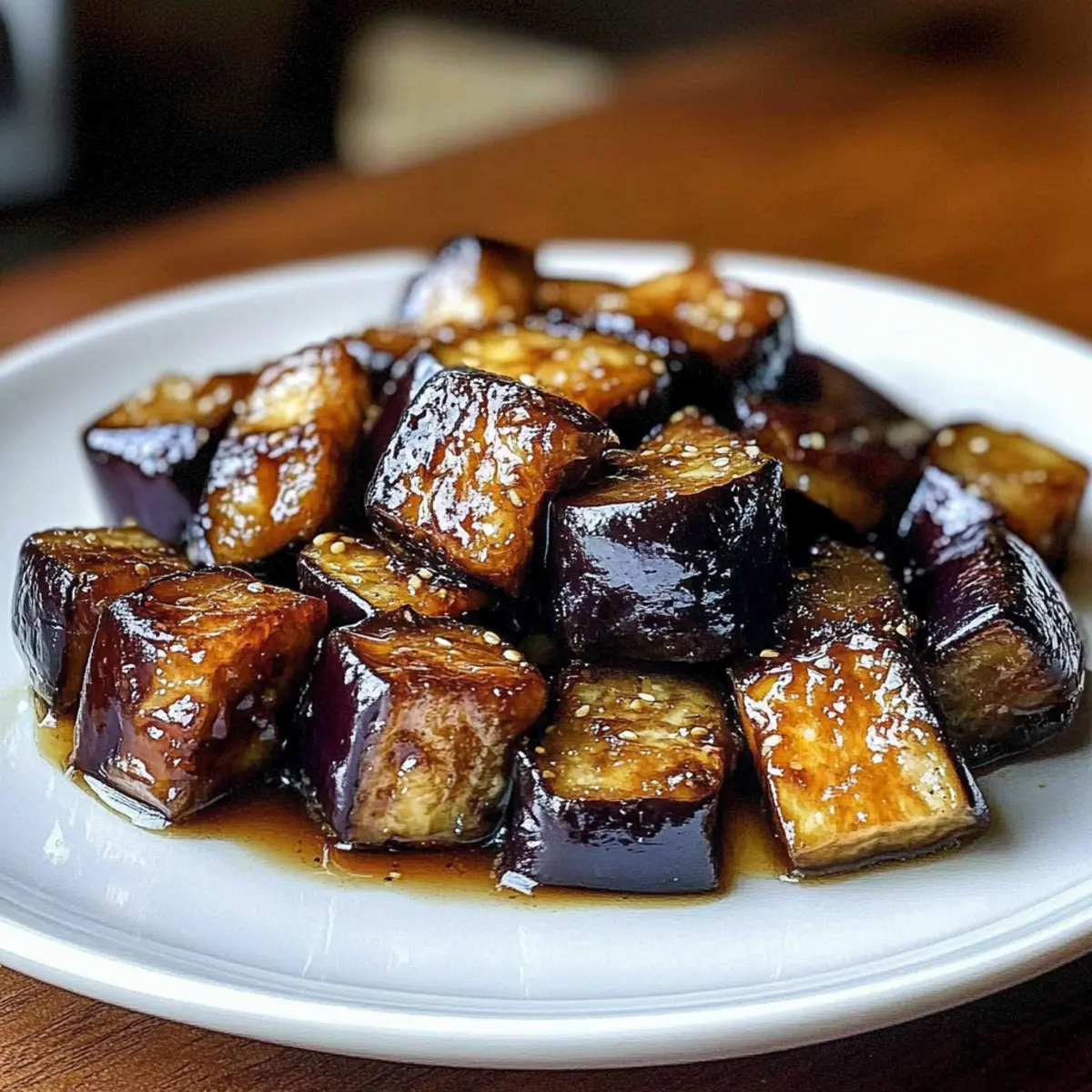
Expert Tips for Miso Glazed Eggplant
-
Consistent Glaze: Ensure a smooth miso glaze by thinning with a splash of water or mirin if it’s too thick; a well-coated eggplant is key.
-
Eggplant Selection: Choose large, firm eggplants; smaller ones can be spongy and less flavorful, affecting the overall taste of your miso glazed eggplant.
-
Avoid Overcrowding: Spread the eggplant cubes in a single layer on the baking sheet to allow proper roasting and prevent steaming—this promotes that desired caramelization.
-
Watch Closely: Monitor the eggplant during the final roasting stage carefully to avoid burning; it should be bubbly and lightly browned, not charred.
-
Garnish Generously: Don’t skip the sesame seeds and green onions; they add texture and a pop of color that makes your dish more appealing and flavorful!
How to Store and Freeze Miso Glazed Eggplant
Fridge: Store leftovers of your Miso Glazed Eggplant in an airtight container for up to 3 days. Reheat gently in the microwave or on the stovetop to retain flavor and texture.
Freezer: For longer storage, freeze the eggplant after cooking. Place it in an airtight container or freezer bag. It can last up to 2 months; thaw in the fridge before reheating.
Reheating: To reheat, use the oven at 350°F (175°C) for about 10-15 minutes or microwave in short intervals, ensuring not to overcook and dry it out.
Avoid Overcrowding: When storing or reheating, avoid stacking too many pieces on top of each other; this helps maintain the glossy texture of the glaze.
Miso Glazed Eggplant Variations & Substitutions
Feel free to put your own spin on this delightful dish and explore unique flavors that resonate with your palate!
- Grilled: Grill the eggplant instead of roasting for a smoky twist; brush the glaze on during the last few minutes for a perfectly caramelized finish.
- Different Miso Types: Experiment with red or yellow miso for a bolder flavor; adjust the sweetness in the glaze as needed.
- Spicy Kick: Add a pinch of red pepper flakes to the glaze for a heat boost; this fiery touch creates a delightful contrast with the sweetness!
- Nutty Flavor: Incorporate tahini into the glaze for a creamier texture and nutty undertones; it enhances the savory profile beautifully.
- Sesame Oil Swap: Replace olive oil with sesame oil for a deeper, aromatic flavor; it pairs wonderfully with the umami notes of the miso.
- Herb Infusion: Add fresh herbs like basil or cilantro before serving; they can brighten the dish and introduce a hint of freshness that elevates flavors.
- Coconut Aminos: For a soy-free version, use coconut aminos in place of soy sauce; this alternative offers a mild sweetness that works well in the glaze.
- Roasted Garlic: Swap out fresh garlic for roasted garlic in the glaze; the mellower flavor will add an extra layer of richness to every bite.
These variations allow you to customize your Miso Glazed Eggplant just the way you love it. You might also enjoy trying out other vegetarian side dish recipes that fit perfectly with your choice of flavors!
Make Ahead Options
These Miso Glazed Eggplant cubes are ideal for meal prep enthusiasts! You can roast the eggplant up to 24 hours in advance—simply toss the cut cubes with olive oil, salt, and pepper, then store them in an airtight container in the refrigerator. The miso glaze can also be prepared ahead of time; store it in a separate container for up to three days. When you’re ready to serve, just reheat the roasted eggplant in the oven at 400°F (200°C) for about 5-7 minutes, brush on the prepared miso glaze, and return it to the oven until bubbly. This way, you ensure that the dish is just as delicious and full of flavor without spending too much time in the kitchen during busy weeknights!
What to Serve with Miso Glazed Eggplant
Elevate your dining experience with thoughtfully chosen accompaniments that enhance the flavors of this delectable dish.
-
Steamed Jasmine Rice: The fluffy rice absorbs the rich miso flavors, creating a delightful harmony on your plate.
-
Grilled Tofu Skewers: Smoky and protein-packed, these skewers balance the sweetness of the eggplant with their savory char.
-
Sautéed Bok Choy: This crisp green brings a refreshing crunch and slight bitterness that beautifully contrasts the glaze’s sweetness. Toss it with sesame oil for an extra flavor boost.
-
Teriyaki Chicken: A savory counterpart, the chicken’s sweet sauce complements the umami depth of the eggplant, making for a complete meal.
-
Cucumber Salad: A light and zesty salad with a dressing of rice vinegar and sesame oil brightens the palate and adds a refreshing crunch.
-
Chilled Soba Noodles: These flavorful noodles add a nutty richness while making for a delightful combination when topped with the eggplant’s glaze.
-
Miso Soup: Keep the theme going with a warm bowl of miso soup, enhancing the umami experience of your meal with every spoonful.
-
Sake or Green Tea: Pair your meal with a soothing cup of green tea or a chilled glass of sake for a refreshing finish to this Japanese-inspired feast.
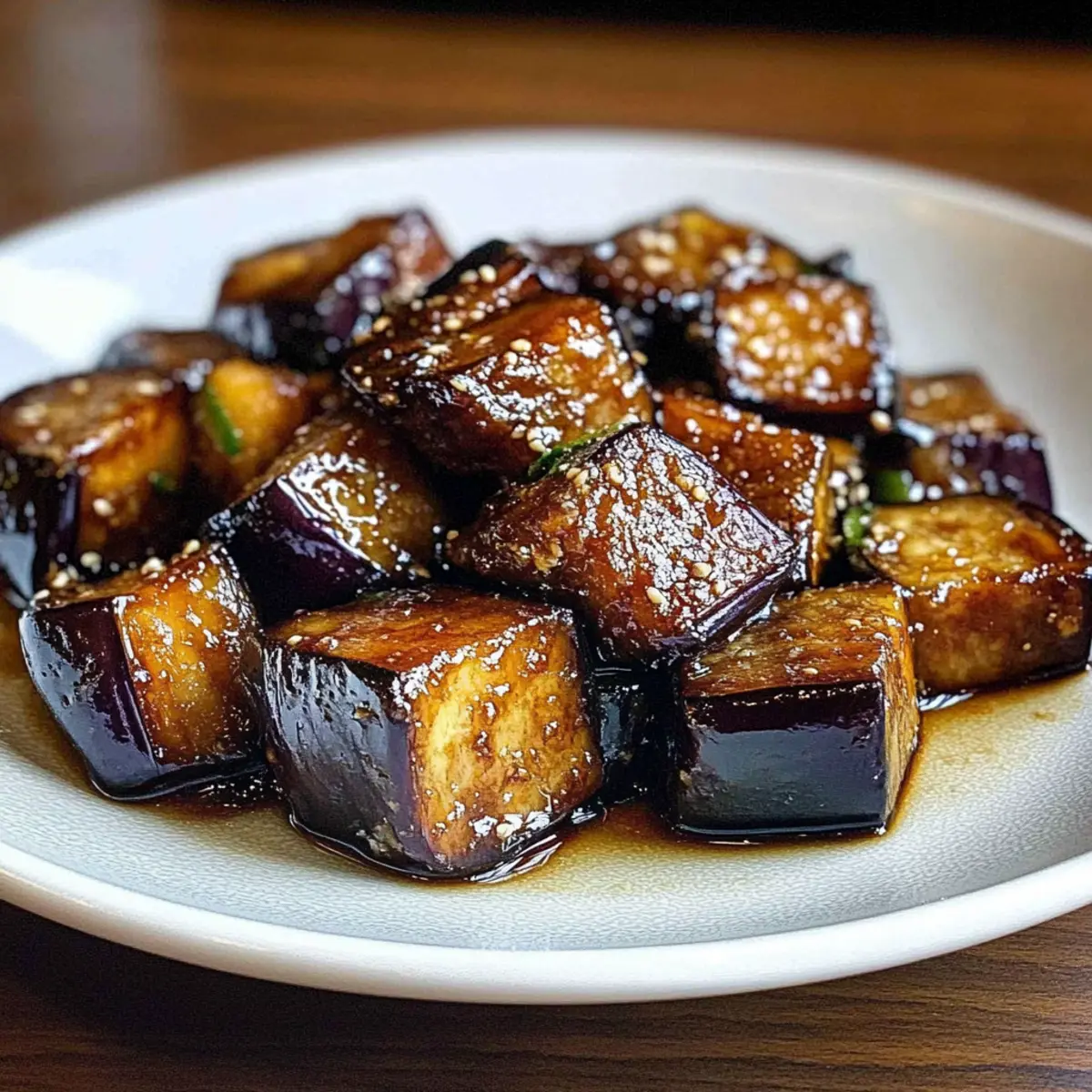
Miso Glazed Eggplant Recipe FAQs
How do I select the best eggplant for this recipe?
Absolutely! When choosing eggplants, look for large, firm ones with smooth, glossy skin. Avoid those with dark spots or blemishes, as they may indicate overripeness or poor quality. A perfect eggplant should feel heavy for its size and have a vibrant purple hue.
What is the best way to store leftovers?
Very! You can store leftover Miso Glazed Eggplant in an airtight container in the refrigerator for up to 3 days. When reheating, do so gently in the microwave or on the stovetop to preserve the rich flavor and texture of the glaze.
Can I freeze Miso Glazed Eggplant?
Absolutely! To freeze, place the cooked eggplant in an airtight container or a freezer bag. It can last for up to 2 months. When you’re ready to enjoy it again, thaw in the refrigerator overnight, and then reheat in the oven at 350°F (175°C) for 10-15 minutes or microwave it in short intervals.
What should I do if the miso glaze is too thick?
No worries! If your miso glaze is too thick, simply thin it out with a splash of water or mirin. Whisk it until you achieve a smooth consistency. This ensures the glaze coats the eggplant evenly, enhancing that delicious umami flavor!
Are there any dietary considerations with this dish?
Very! If you have a miso allergy, consider using a gluten-free soy sauce or experimenting with alternative glazes like tahini mixed with a bit of maple syrup. And while eggplants are safe for pets, be cautious—too much can lead to digestive issues. Always consult your vet regarding any concerns.
What cooking methods can I use for variations?
For sure! If you prefer grilling, slice the eggplant in half lengthwise and brush the glaze on during the last few minutes of grilling for a wonderful smoky flavor. Alternatively, you can roast it in the oven as per the recipe for that perfect caramelized texture!
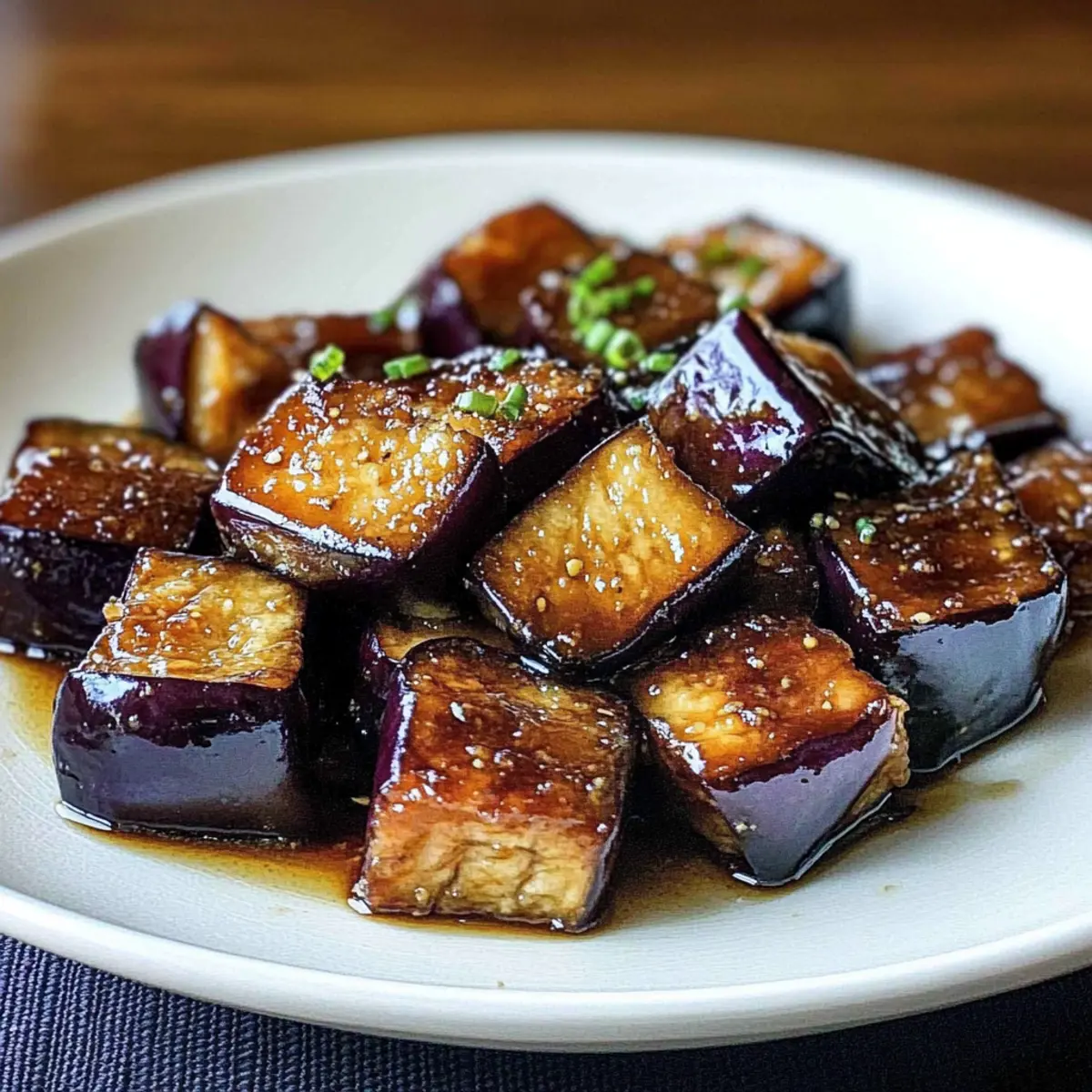
Miso Glazed Eggplant: Sweet, Savory Bliss in Every Bite
Ingredients
Equipment
Method
- Preheat your oven to 400°F (200°C).
- Toss one-inch cubes of eggplant with olive oil, salt, and pepper on a baking sheet.
- Roast the eggplant for 20-25 minutes, flipping halfway through.
- Whisk together miso paste, mirin, soy sauce, honey, ginger, and garlic in a bowl.
- Brush the miso glaze over the roasted eggplant and bake for an additional 5-7 minutes.
- Sprinkle sesame seeds and green onions over the top before serving.
Leave a Reply