
As I poured the warm water into the flour, an unmistakable excitement filled the air—this was the start of my Crusty Golden Sourdough Bread journey. With its tangy flavor and artisanal charm, this homemade bread not only satisfies those cravings for a delightful, chewy center but is also incredibly easy to whip up, even for beginners! The no-knead technique means preparing this warm, comforting loaf is more about patience than precision, making it the perfect weekend project. Just imagine the aroma wafting through your kitchen as it bakes to golden perfection. This bread truly transforms the baking process into a cherished ritual. Are you ready to embark on this delicious adventure together?
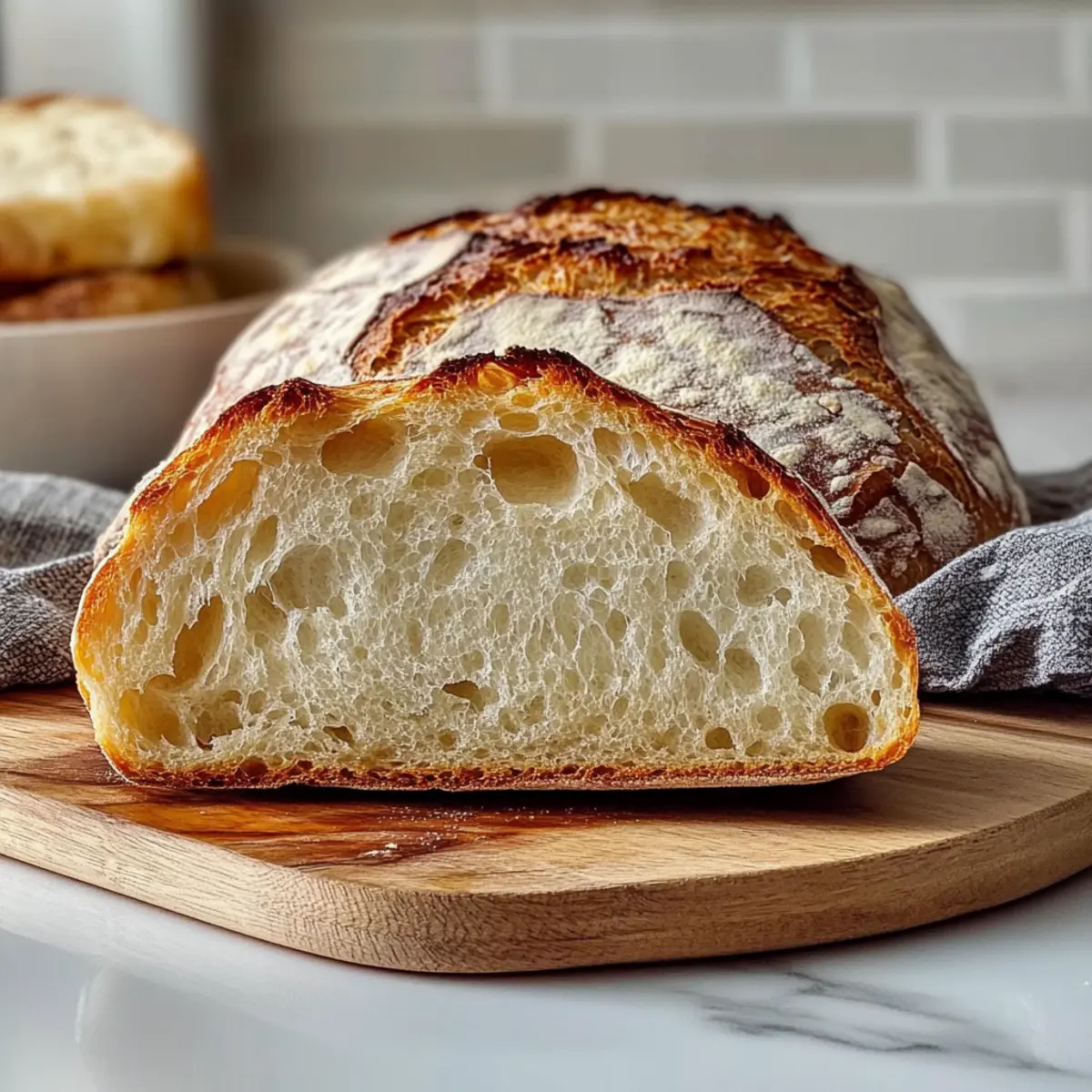
Why is Sourdough Bread So Beloved?
Simplicity is key: This recipe embraces an easy no-knead method, making it accessible whether you’re a baking novice or a seasoned chef. Flavor explosion: The natural leavening gives this bread a tangy depth that you simply can’t find in store-bought options. Versatile uses: Perfect for everything from toasted breakfast slices to gourmet sandwiches, it pairs beautifully with soups and salads. Time-friendly: With minimal active preparation, you can set your dough aside and let it work its magic while you go about your day. And if you’re looking to explore more baked delights, check out my Chocolate Chip Sourdough for a sweet twist!
Crusty Golden Sourdough Bread Ingredients
For the Dough
- Bread Flour or All-Purpose Flour – This creates the structure and chewy texture of the bread; whole wheat flour can be used for a nuttier flavor.
- Warm Water – Essential for hydrating the flour and activating the starter; bottled or filtered water is best for a cleaner taste.
- Active Sourdough Starter – The heart of this recipe, it naturally leavens the bread and imparts a delightful tang; make sure your starter is bubbly and active.
- Salt – Enhances flavor and controls fermentation; opt for sea salt or kosher salt—avoid table salt due to additives.
Optional Add-Ins
- Herbs, Cheese, or Nuts – Add these after the first rest for an exciting flavor boost.
- Seeds (e.g., sesame, poppy) – Sprinkle on the crust before baking for extra crunch and taste.
Get ready to savor the delicious creation of your Crusty Golden Sourdough Bread!
Step‑by‑Step Instructions for Crusty Golden Sourdough Bread
Step 1: Mix the Dough
In a large mixing bowl, combine 4 cups of bread flour with 1⅔ cups of warm water, stirring until a shaggy dough forms. Make sure all the flour is hydrated, and don’t worry about lumps. Cover the bowl with a damp cloth and let it rest for 30 minutes; this autolyse stage helps develop gluten, crucial for your Crusty Golden Sourdough Bread.
Step 2: Incorporate Starter and Salt
After the autolyse, add 1 cup of active sourdough starter and 2 teaspoons of salt to the rested dough. Mix with your hands or a sturdy spatula until thoroughly combined; it should look cohesive with no dry flour remaining. This fusion of ingredients enhances the flavor and structure of your Crusty Golden Sourdough Bread.
Step 3: Stretch and Fold
Cover the bowl with the damp cloth again and let the dough rest at room temperature for 2 hours. Every 30 minutes, perform a stretch and fold by pulling one side of the dough and folding it over itself. Rotate the bowl and repeat this process until you’ve done it four times. This technique strengthens the dough without kneading, making your bread light and airy.
Step 4: First Rise
Once you’ve completed the stretch and fold, cover the bowl with plastic wrap or a lid and allow the dough to rise for 6 to 8 hours at room temperature. The dough should double in size and be bubbly, indicating that it’s well-fermented—a key factor in developing the signature flavor of your Crusty Golden Sourdough Bread.
Step 5: Shape the Loaf
After the rise, gently transfer the dough to a floured surface, being careful not to deflate it too much. Shape it into a round loaf by tucking the edges under, creating surface tension. Place the seam-side up in a proofing basket, ensuring it’s well-floured. Cover the basket and refrigerate the dough for 8 to 12 hours for a cold ferment that deepens the flavor.
Step 6: Preheat the Oven
About 30 minutes before baking, preheat your oven to 450°F (232°C) with a Dutch oven inside. Preheating ensures that your Crusty Golden Sourdough Bread develops a perfect crust when it hits the hot pot, capturing steam and creating that desirable crunchy exterior.
Step 7: Transfer the Dough
Once preheated, carefully turn the dough out onto a piece of parchment paper. Score the top with a sharp knife or razor blade to create a pattern, which helps steam escape during baking. This scoring allows the loaf to expand beautifully and adds to the artisanal look of your bread.
Step 8: Bake the Bread
Using oven mitts, remove the Dutch oven from the oven and lift the dough along with the parchment paper into the pot. Cover with the lid and bake for 20 minutes. Then, remove the lid and bake for another 25 minutes until the crust is dark golden brown and the loaf sounds hollow when tapped, achieving the finish on your Crusty Golden Sourdough Bread.
Step 9: Cool and Slice
Once baked, carefully transfer the loaf to a wire rack and allow it to cool completely before slicing. Cooling is essential for the bread’s texture; slicing it too early might result in a gummy loaf. Once cooled, you can enjoy your masterpiece that is an inviting and flavorful Crusty Golden Sourdough Bread!
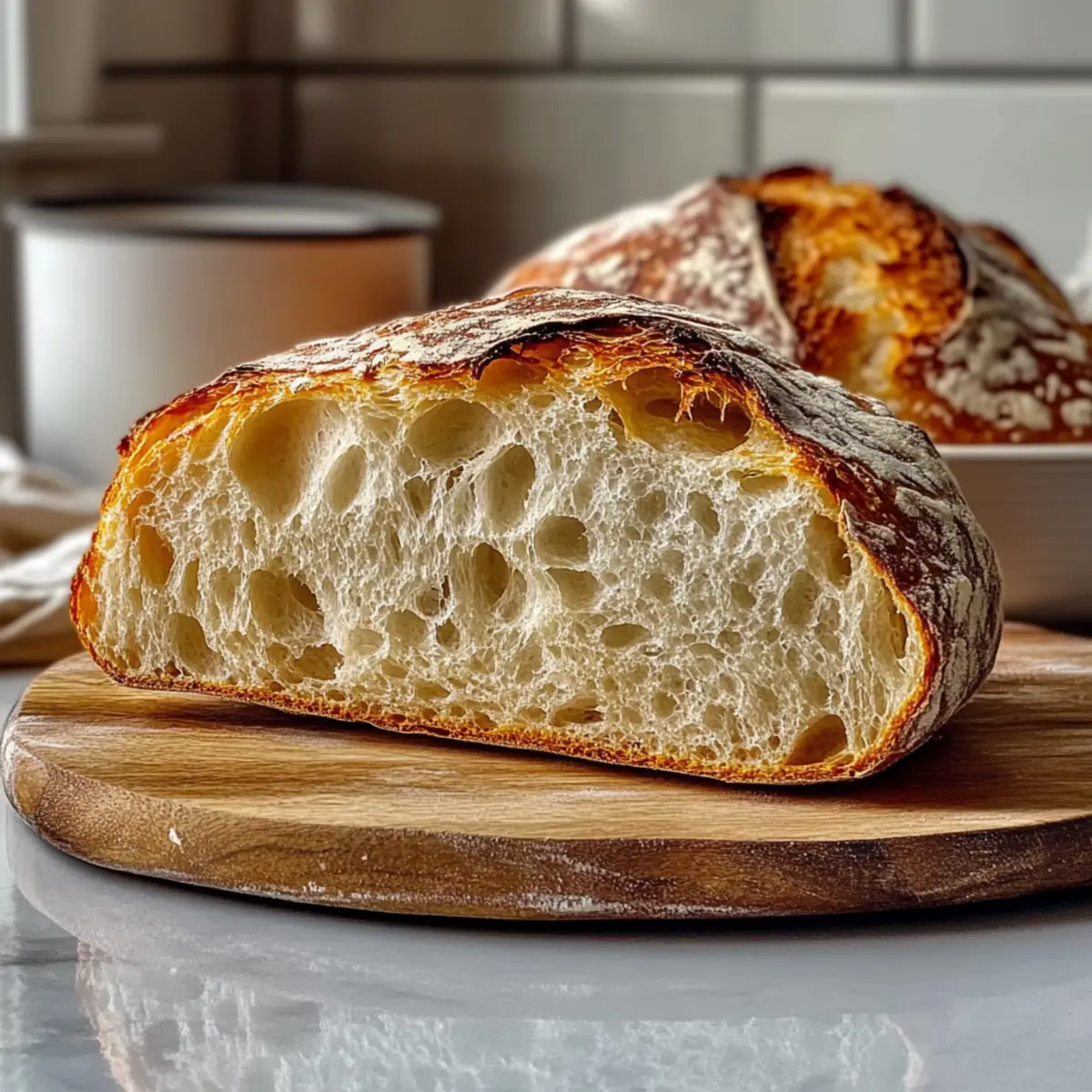
Expert Tips for Crusty Golden Sourdough Bread
-
Time Matters: Allowing the dough to cold ferment overnight enhances flavor and texture, giving your Crusty Golden Sourdough Bread a richer taste.
-
Starter Check: If your starter isn’t bubbling, it may need more feed. Ensure it’s active and ready to go before mixing with the dough.
-
Hydration Is Key: When mixing, ensure all flour is hydrated fully. Lumps are okay at this stage; proper hydration is essential for dough development.
-
Master Stretching: Practice the stretch and fold technique carefully; it’s crucial for building gluten without kneading, promoting the airy structure of your bread.
-
Cool Before Slicing: Resist the temptation to slice into your bread immediately after baking; cooling it completely ensures a better texture and flavor.
Make Ahead Options
These Crusty Golden Sourdough Bread loaves are perfect for busy home cooks looking to save time! You can prepare the dough up to 24 hours in advance before baking. After completing the stretch and fold process, shape the dough and place it in a well-floured proofing basket, then cover and refrigerate it for 8 to 12 hours. This cold fermentation enhances flavor and maintains the dough’s quality. When you’re ready to bake, preheat your oven, transfer the cold dough to the Dutch oven, and follow the final steps for baking. You’ll enjoy the same delicious results with minimal effort on your busy days!
What to Serve with Crusty Golden Sourdough Bread
Nothing pairs quite like a meal that feels as warm and inviting as the aromas wafting from your freshly baked sourdough.
-
Creamy Tomato Soup: The rich flavors of this classic soup complement the tang of sourdough. It’s a cozy match, perfect for dipping.
-
Herbed Butter Spread: A dollop of herbed butter adds a luxurious touch, perfectly melting into the warm bread’s nooks. This pairing elevates each bite to pure bliss.
-
Crunchy Garden Salad: A light salad with fresh greens and vinaigrette brightens up the meal, adding a crisp contrast to the bread’s chewy texture.
-
Savory Cheese Platter: Include a selection of cheeses like aged cheddar or tangy goat cheese alongside your sourdough. Each slice of bread provides a perfect base for different flavors.
-
Honey and Fig Jam: Drizzling honey or spreading fig jam on toasted slices creates a delightful harmony of sweet and savory. It’s a heavenly treat for brunch or snack time.
-
Roasted Garlic and Olive Oil: A bowl of warm, infused olive oil for dipping pairs wonderfully with the crusty exterior. It enhances the bread’s flavor and adds a rich texture.
-
Refreshing White Wine: A glass of crisp Sauvignon Blanc or a light Pinot Grigio will complement the tangy notes of your sourdough beautifully.
-
Chocolate Fondue: For a sweet ending, serve slices with a warm chocolate fondue. It’s a playful twist that transforms your bread into a delightful dessert.
Variations & Substitutions for Crusty Golden Sourdough Bread
Feel free to get creative with your Crusty Golden Sourdough Bread by incorporating these tasty twists and substitutions!
-
Whole Wheat: Substitute half of the bread flour with whole wheat for a nuttier flavor and added nutrition.
This version will delight health enthusiasts while still providing that lovely, chewy texture. -
Seeded Crust: Sprinkle sesame or poppy seeds on top of the dough before baking for extra crunch.
Not only does this add flavor, but it transforms the loaf into a visually stunning centerpiece. -
Herb-Infused: Mix in your favorite chopped fresh herbs, like rosemary or thyme, after the first rest for added aroma and taste.
Imagine a garden-fresh loaf, perfect for pairing with soups or as the base for a gourmet sandwich. -
Cheddar Cheese: Incorporate shredded cheddar cheese into the dough for a savory twist that cheese lovers will appreciate.
This delicious variation pairs beautifully with a hearty bowl of tomato soup or a fresh salad. -
Garlic Flavor: Add minced garlic to the dough for a robust flavor that complements so many dishes.
The aroma of garlic as it bakes will entice your senses and elevate the dining experience. -
Sweet Twist: Mix in a cup of dried fruit like cranberries or raisins for a delightful sweetness.
This variation can turn your sourdough into a perfect breakfast option when toasted and spread with butter. -
Experiment with Flours: Try replacing part of the bread flour with rye or spelt flour for a unique flavor profile.
Each flour brings its own character and charm, making every loaf a delightful adventure. -
Hot Pepper Kick: For spice lovers, incorporate crushed red pepper flakes into the dough to give it a subtle heat.
You’ll love the surprise kick that awakens your taste buds with every bite.
By experimenting with these variations, you can personalize your sourdough to match your cravings perfectly. If you’re seeking more inspiration, don’t forget to check out the delicious Pesto Chicken Flatbread for a fantastic alternative flatbread recipe!
How to Store and Freeze Crusty Golden Sourdough Bread
-
Room Temperature: Keep the bread wrapped in a clean cloth or placed in a paper bag at room temperature for up to 3 days to maintain its crusty texture. Avoid plastic, as it can make the crust soggy.
-
Fridge: Storing in the fridge is not recommended, as it can dry out the bread and ruin its delightful chewiness.
-
Freezer: For longer storage, freeze the cooled loaf by wrapping it tightly in plastic wrap or aluminum foil, then placing it in an airtight freezer bag. Use within 3 months for best quality.
-
Reheating: When ready to enjoy, thaw at room temperature or gently warm the frozen bread in a 350°F (175°C) oven for 10-15 minutes to revive its crusty exterior and soft interior.
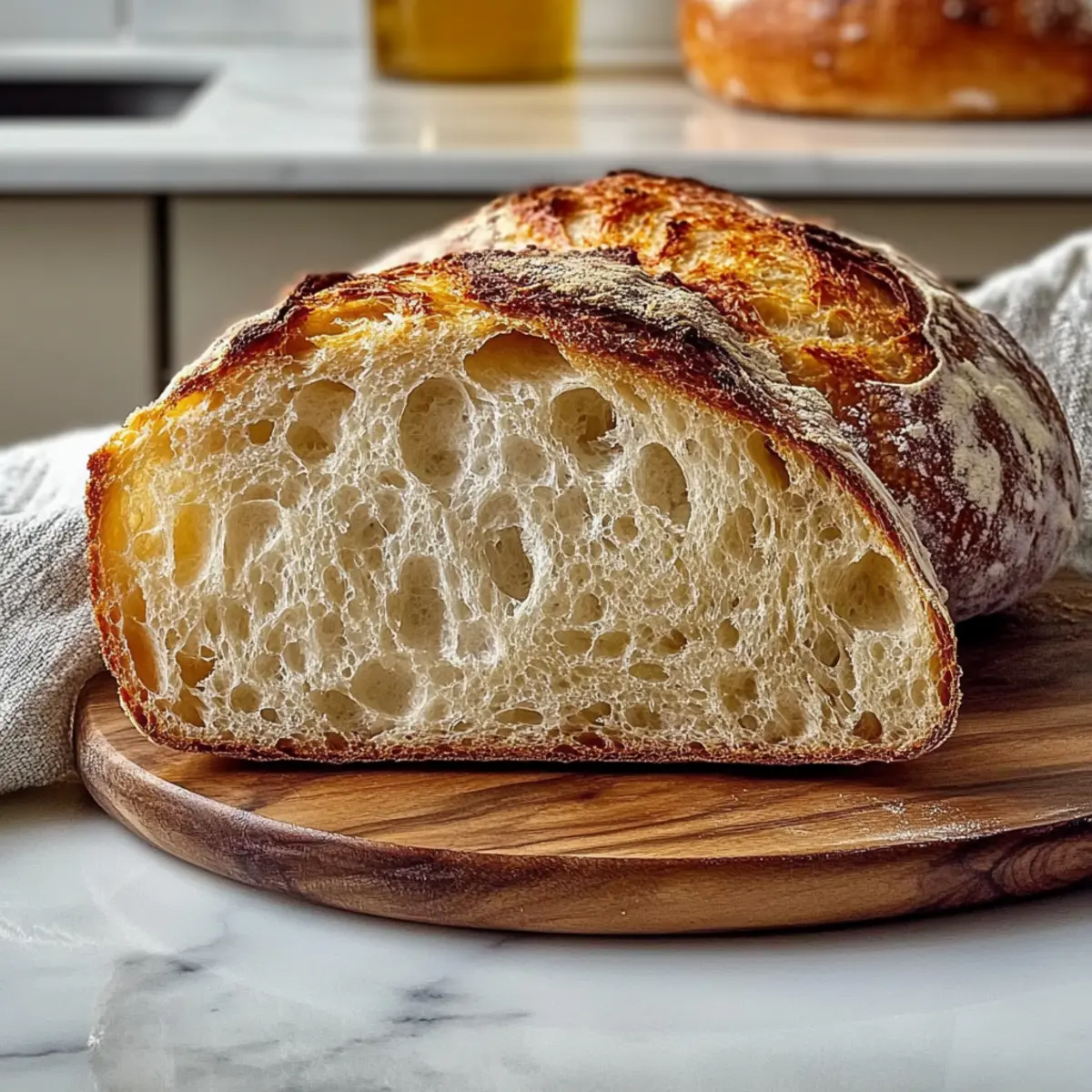
Crusty Golden Sourdough Bread Recipe FAQs
How do I choose the right bread flour for my sourdough?
Absolutely! A high-protein bread flour is best for achieving a chewy texture and strong gluten structure. Look for bread flour that has at least 12-14% protein content. All-purpose flour can also work in a pinch, but for a more authentic crust and crumb, I recommend sticking with bread flour. Whole wheat flour is a fantastic alternative too, as it adds a nutty flavor and extra nutrients.
What’s the best way to store leftover sourdough bread?
Very good question! To preserve the crunchy crust, wrap your Crusty Golden Sourdough Bread in a clean cloth or store it in a paper bag at room temperature for up to 3 days. Avoid storing it in plastic as it traps moisture and can lead to a soggy crust. If you plan to keep it longer, freezing is a great option!
Can I freeze my sourdough bread? How?
Absolutely! Freezing sourdough bread is a simple process. First, ensure your loaf is completely cooled. Then, wrap it tightly in plastic wrap or aluminum foil, ensuring no air pockets remain. Place the wrapped loaf in an airtight freezer bag or container. This method preserves freshness for up to 3 months. When you’re ready to enjoy, just thaw it at room temperature or pop it in a preheated 350°F (175°C) oven for about 10-15 minutes to restore that lovely crust.
What should I do if my sourdough bread doesn’t rise?
Ah, this can happen sometimes! If your dough doesn’t rise as expected, there could be a few reasons. Firstly, ensure your sourdough starter is active and bubbly before using it; a weak starter won’t produce enough gas for leavening. Secondly, if the dough was left to rise in a cool environment, it may need more time. For next time, you can create a warmer environment by placing your dough in an oven with the light on to encourage fermentation.
Is sourdough bread suitable for my gluten-sensitive friends?
It can be easier to digest for some due to the fermentation process, which breaks down gluten to a degree. However, it’s important to note that sourdough bread isn’t gluten-free, so if someone has celiac disease or a severe gluten allergy, they should steer clear. Always be sure to communicate with your guests about dietary restrictions when serving homemade bread!
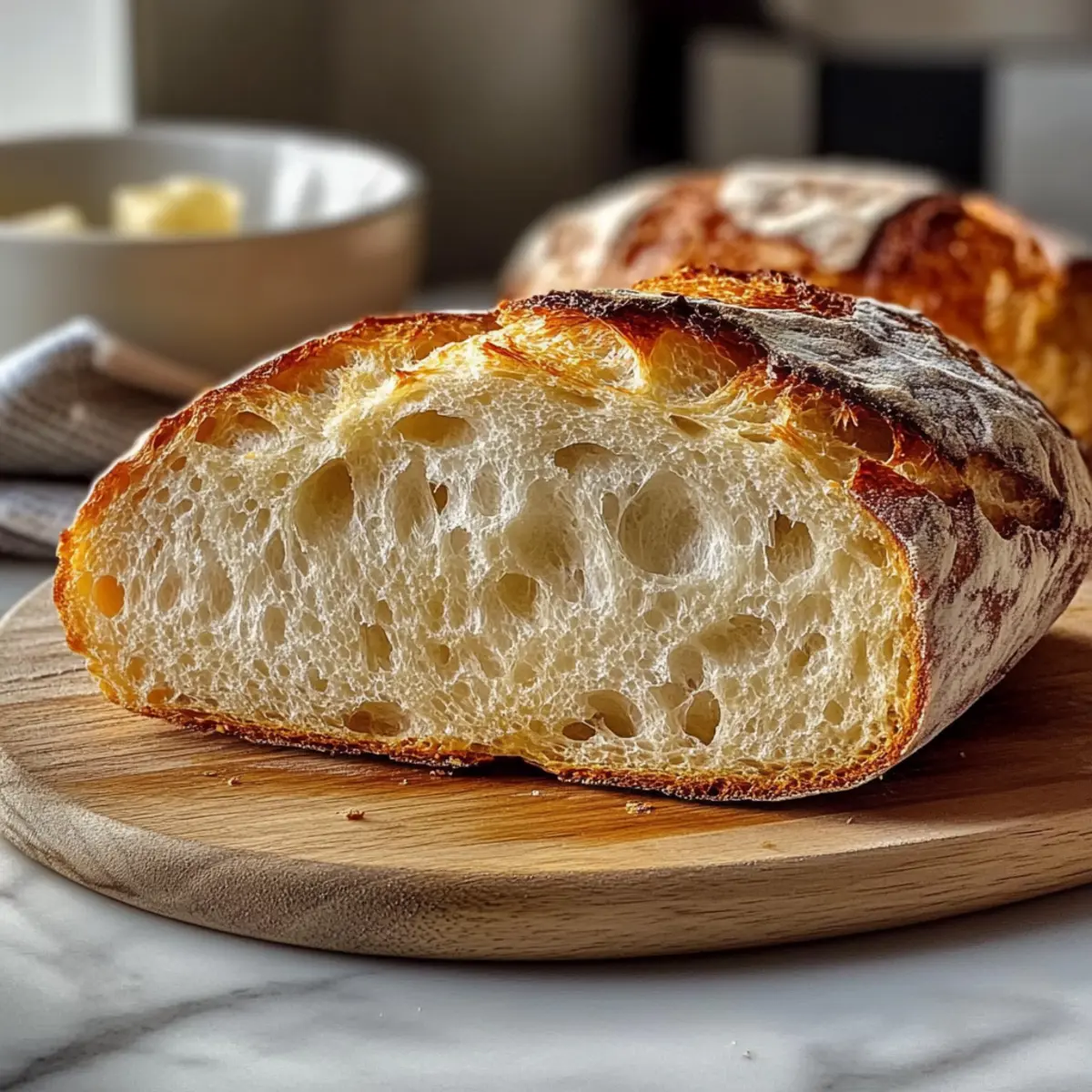
Crusty Golden Sourdough Bread: Bake Your Best Loaf Yet
Ingredients
Equipment
Method
- In a large mixing bowl, combine bread flour with warm water, stirring until a shaggy dough forms. Cover with a damp cloth and let it rest for 30 minutes.
- After the autolyse, add active sourdough starter and salt. Mix until thoroughly combined.
- Cover with a damp cloth again and let the dough rest at room temperature for 2 hours, performing a stretch and fold every 30 minutes.
- Cover the bowl and allow the dough to rise for 6 to 8 hours at room temperature until doubled in size.
- Transfer the dough to a floured surface and shape it into a round loaf. Place seam-side up in a proofing basket and refrigerate for 8 to 12 hours.
- Preheat your oven to 450°F (232°C) with a Dutch oven inside for 30 minutes.
- Carefully turn the dough onto parchment paper and score the top with a knife.
- Remove the Dutch oven and lift the dough with parchment into the pot. Cover and bake for 20 minutes, then uncover and bake for an additional 25 minutes.
- Transfer the loaf to a wire rack and allow it to cool completely before slicing.
Leave a Reply