
As I stood in my kitchen, the delightful aroma of spices and coconut wafted through the air, instantly transporting me to a bustling Thai market. Today, I’m excited to share my Slow Cooker Thai Coconut Beef, a cozy dish that combines the richness of coconut milk with savory beef—perfect for those of us craving authentic flavors without hours of prep. Not only is this recipe incredibly easy to whip up, but it’s also a dream for busy weeknights, promising tender, flavorful leftovers that are just as delicious the next day. Whether you’re a seasoned chef or a novice in the kitchen, this dish invites you to enjoy a taste of Thailand while savoring the comfort of home. Curious how to build this creamy, mouthwatering delight? Let’s dive into the recipe!
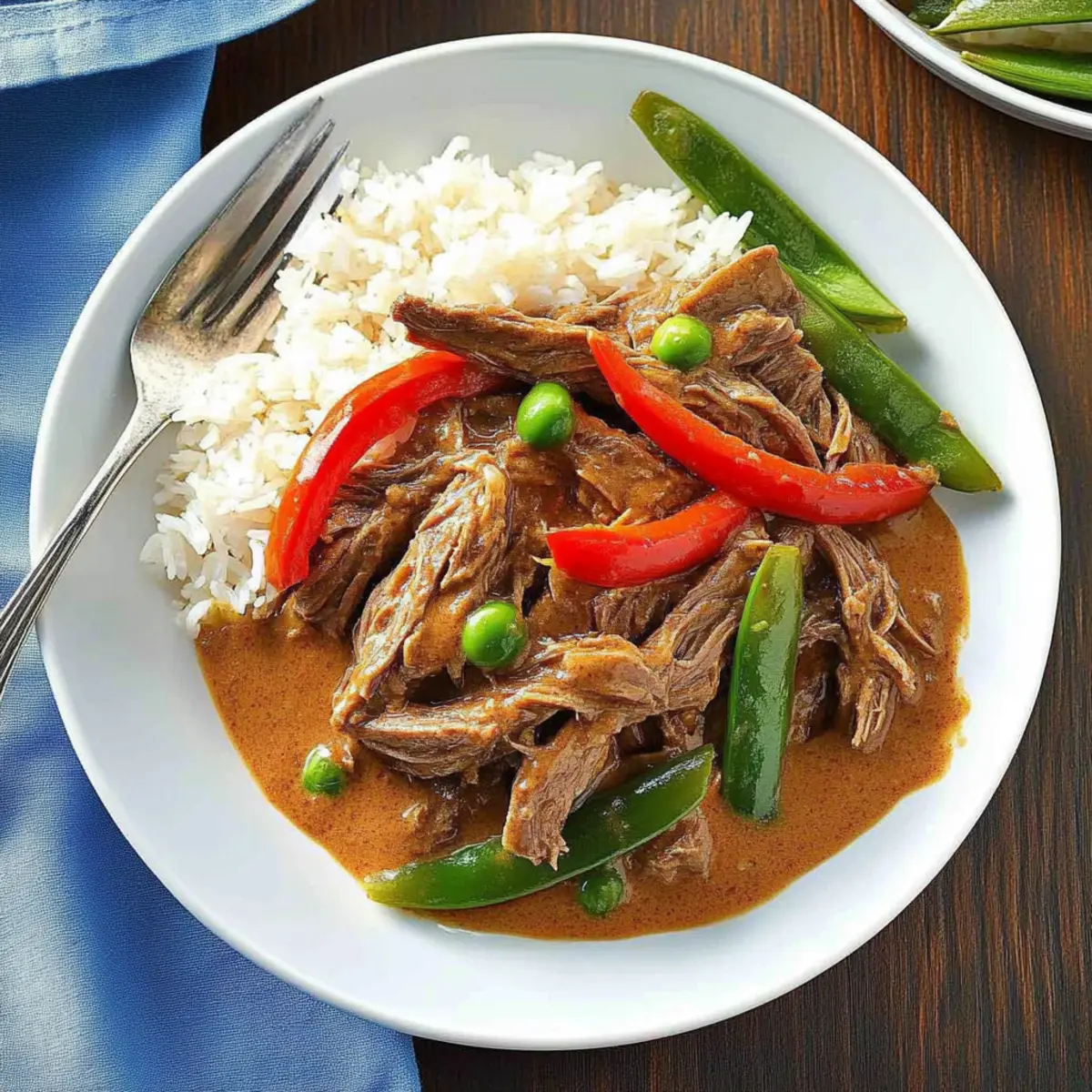
Why is Thai Coconut Beef a must-try?
Irresistible Comfort: This dish combines creamy textures and savory flavors that will transport your taste buds straight to Thailand.
Time-Saving Solution: With the help of a slow cooker, you can set it and forget it, freeing up time for other essential tasks around the house.
Versatile Options: Feel free to switch up the protein by using chicken thighs or pork shoulder, or even try swapping the peanut butter for almond butter for a new twist.
Delicious Leftovers: The flavors deepen as the beef sits, making it perfect for next-day lunches that are just as fulfilling as a home-cooked meal.
Crowd-Pleasing Delight: Ideal for family dinners or gatherings, everyone will love the comforting aroma and delicious taste of this Thai-inspired dish.
For a delightful addition to your meal rotation, check out Slow Cooker Beef Noodles or explore some alternative flavors with Mediterranean Ground Beef.
Thai Coconut Beef Ingredients
For the Beef
• Boneless beef chuck roast – The main protein; tender and flavorful when slow-cooked. Substitute with chicken or pork for variation.
For the Sauce
• Coconut milk (13.66 oz can) – Provides creaminess and rich flavor; light coconut milk can be used for a lighter version.
• Beef stock (3/4 cup) – Adds depth to the sauce; chicken or vegetable stock can be used for a different taste.
• Creamy peanut butter (1/2 cup) – Contributes to the sauce’s texture and flavor; can swap with almond butter for a twist.
• Red curry paste (1/4 cup) – A key flavor component; adjust to taste for desired heat level.
• Soy sauce (2 tbsp) – Enhances umami; use tamari for a gluten-free option.
• Honey (2 tbsp) – Balances flavors; maple syrup can substitute for a vegan option.
• Minced fresh ginger (2 tsp) – Adds warmth and spice; use ginger powder in a pinch (1/2 tsp).
For the Vegetables
• Large sweet red pepper – Provides sweetness and color; substitute with bell peppers of any color.
• Fresh sugar snap peas (1/2 lb) – Gives crunch and freshness; can replace with green beans.
• Fresh cilantro (1/4 cup, minced) – Offers freshness; optional if cilantro is not preferred.
For Serving
• Hot cooked brown or white rice – Serves as a base; quinoa or cauliflower rice are great low-carb alternatives.
• Optional toppings – Thinly sliced green onions, chopped peanuts, hot sauce, lime wedges; customize to taste.
Enjoy the wonderful flavors of Thai Coconut Beef—a true culinary delight!
Step‑by‑Step Instructions for Thai Coconut Beef
Step 1: Season the Beef
Begin by generously seasoning the boneless beef chuck roast with salt and freshly cracked pepper on all sides. This simple step enhances the beef’s natural flavors, setting the stage for a delicious Thai Coconut Beef dish. Allow the seasoned beef to rest for about 10 minutes while you prepare the vegetables, providing an extra layer of flavor.
Step 2: Assemble in the Slow Cooker
Place the seasoned beef into the slow cooker, followed by the sliced large sweet red pepper. The layers of vegetables not only add color and sweetness but also infuse their flavors into the beef during cooking. Make sure the beef fits snugly to ensure even cooking throughout the simmering process.
Step 3: Whisk Together the Sauce
In a medium bowl, whisk together the coconut milk, beef stock, creamy peanut butter, red curry paste, soy sauce, honey, and minced fresh ginger. Aim for a smooth, well-combined sauce, as this will envelop the beef and peppers with rich Thai-inspired flavors. Pour this luscious blend evenly over the meat and vegetables in the slow cooker.
Step 4: Slow Cook to Perfection
Cover the slow cooker with its lid and set it to low heat for 7-8 hours. This slow cooking process will tenderize the beef, making it melt-in-your-mouth soft. You’ll know it’s ready when the beef is fork-tender, and the delightful aroma fills your kitchen, beckoning you to enjoy your Thai Coconut Beef.
Step 5: Shred the Beef
Once the cooking time is complete, carefully remove the tender beef from the slow cooker and let it cool for a few minutes. Once it’s manageable, shred the beef using two forks; this will allow the flavorful sauce to soak into the meat. Return the shredded beef to the slow cooker, ensuring it remains coated in that creamy coconut sauce.
Step 6: Add the Sugar Snap Peas
Skim off any excess fat from the juices in the slow cooker, if necessary, and stir the fresh sugar snap peas into the beef mixture. These vibrant veggies will add a delightful crunch to your Thai Coconut Beef. Cover the slow cooker again and cook on low for an additional 45-60 minutes until the sugar snap peas are crisp-tender.
Step 7: Final Touches Before Serving
Just before serving, stir in the freshly minced cilantro to brighten the dish. This final touch brings freshness and complements the rich flavors beautifully. Serve your Thai Coconut Beef hot over a bed of rice, and don’t forget to include optional toppings like lime wedges, green onions, or chopped peanuts for an extra flavor boost.
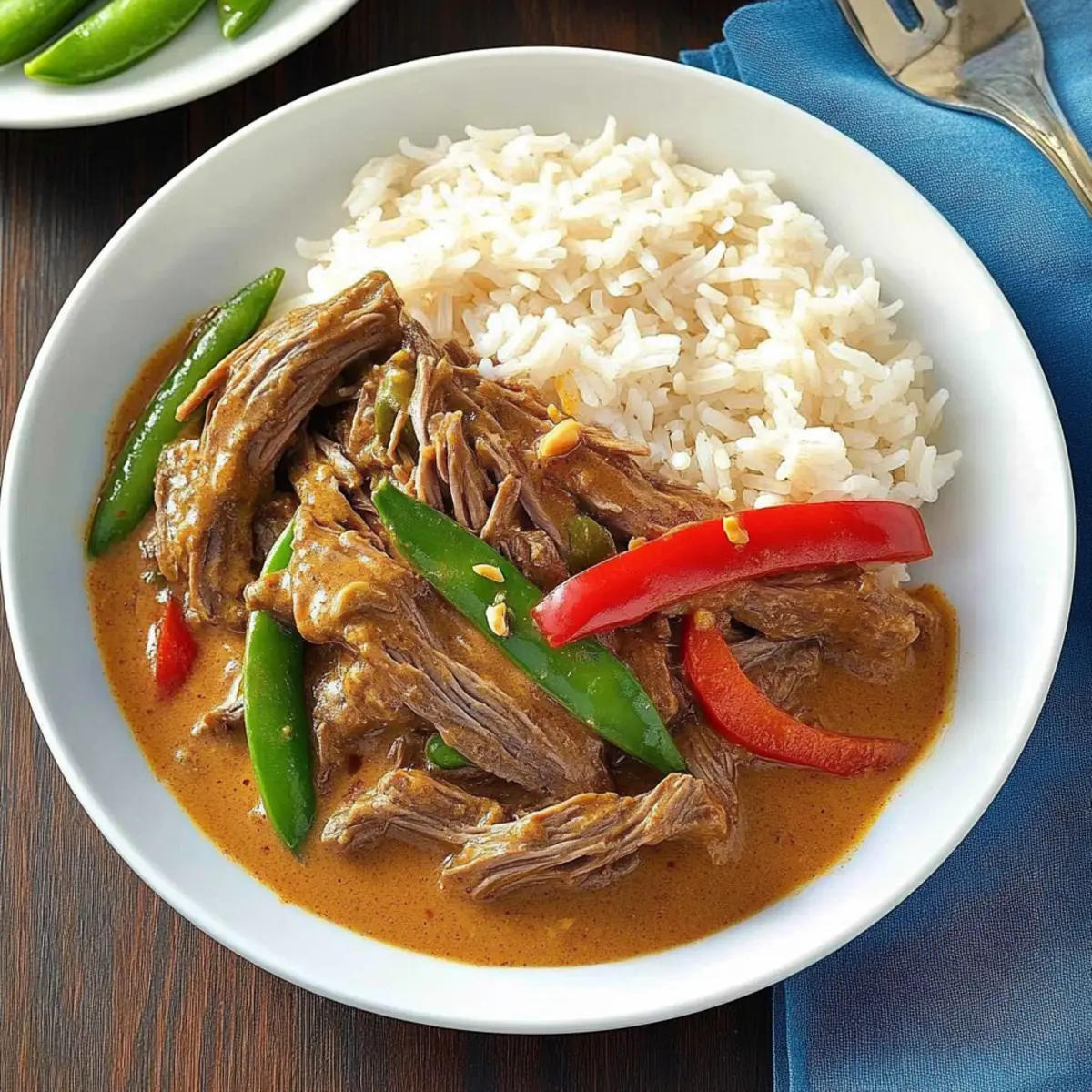
Expert Tips for Thai Coconut Beef
-
Cook on Low: Ensure you cook the beef on low for the full 7-8 hours. This allows the tough meat to become tender and absorb the flavors, resulting in the perfect Thai Coconut Beef.
-
Season Generously: Don’t skimp on the salt and pepper when seasoning the beef. Adequate seasoning enhances the dish’s overall flavor profile, making it truly mouthwatering.
-
Sauce Consistency: If you prefer a thicker sauce, consider using a cornstarch slurry towards the end of cooking. Whisk together cornstarch and water, then stir it in for a creamier texture.
-
Timing for Peas: Add sugar snap peas during the last 45-60 minutes of cooking. This ensures they stay crisp-tender and vibrant, avoiding a mushy texture.
-
Adjusting Spice Levels: Feel free to start with a smaller amount of red curry paste and adjust to your taste. You can always add more for that extra kick in your Thai Coconut Beef!
-
Shred Warm: For easier shredding, make sure to shred the beef while it’s still warm. This will help the meat pull apart effortlessly, mingling beautifully with the sauce.
How to Store and Freeze Thai Coconut Beef
Fridge: Store leftover Thai Coconut Beef in an airtight container for up to 3 days. Reheat in the microwave or on the stove until heated through, ensuring it’s piping hot for best flavor.
Freezer: Freeze portions of Thai Coconut Beef in freezer-safe bags or containers for up to 3 months. Allow to thaw overnight in the fridge before reheating, to maintain its creamy texture.
Reheating: When reheating, stir in a splash of coconut milk, if necessary, to revive the creaminess that makes this dish delightful, ensuring each bite is just as delicious as the first.
Airtight Storage: Always use airtight containers or bags to minimize air exposure, which helps preserve the flavor and prevents freezer burn, keeping your delicious Thai Coconut Beef fresh.
Thai Coconut Beef Variations & Substitutions
Feel free to make this dish your own with these fun and easy variations!
-
Chicken or Pork: Substitute the beef with chicken thighs or pork shoulder for a different flavor twist. Both options will absorb the sauce beautifully.
-
Nut Butters: Swap out creamy peanut butter for almond or cashew butter. This change adds a lovely nutty depth while catering to different palates.
-
Veggie Boost: Add in extra vegetables like bell peppers, zucchini, or carrots for a heartier, nutrient-packed meal. The more, the merrier when it comes to veggies!
-
Vegan Delight: For a plant-based version, replace the beef with mushrooms or jackfruit. Use coconut cream instead of coconut milk and skip the honey for maple syrup to keep things vegan-friendly.
-
Spicy Kick: Adjust the heat level by adding fresh chili peppers or a dash of chili flakes. If you’re feeling adventurous, try a fiery chili paste for an even spicier touch!
-
Low-Carb Option: Serve over cauliflower rice or quinoa instead of traditional rice for a low-carb alternative that doesn’t skimp on flavor.
-
Herb Variations: Experiment with herbs like basil or mint instead of cilantro for a refreshing twist. These herbs will give your dish a unique aroma and flavor profile.
-
Curry Variation: Try different curry pastes like green or massaman curry for a new set of flavors altogether. A simple change can transport you to another culinary adventure!
For more delicious variations with beef, you might also enjoy exploring Mediterranean Ground Beef. Each suggestion is a chance to create a meal that speaks to you, so have fun experimenting!
Make Ahead Options
These irresistible Thai Coconut Beef delights are perfect for meal prep! You can season and cut the beef and vegetables up to 24 hours in advance; simply store them in an airtight container to prevent browning. The sauce can also be mixed and refrigerated for up to 3 days. When you’re ready to cook, just combine the beef, vegetables, and sauce in the slow cooker, and follow the normal cooking instructions. This not only saves time but also allows the flavors to meld beautifully. You’ll end up with a dish just as delicious, making it an ideal option for busy weeknights or family gatherings!
What to Serve with Slow Cooker Thai Coconut Beef Delight
Warm your senses and elevate your dining experience by pairing delightful sides that complement the rich, creamy goodness of this Thai-inspired dish.
-
Steamed Jasmine Rice: The fluffy texture and subtle fragrance of jasmine rice soak up the creamy sauce, making every bite a pleasure.
-
Light Cucumber Salad: Fresh cucumbers tossed with vinegar and herbs provide a refreshing crunch, balancing the richness of the beef.
-
Roasted Broccoli: This earthy side adds a deliciously nutty flavor, enhancing the dish’s savory elements while introducing vibrant green veggies.
-
Mango Sticky Rice: For a sweet finish, this classic Thai dessert contrasts beautifully with the savory flavors, bringing a fruity twist to your meal.
-
Thai Iced Tea: Cool and creamy, this sweet tea offers a refreshing counterpart to the heat from the curry paste, making it a delightful beverage choice.
-
Chili Garlic Edamame: These spicy, protein-packed pods are perfect for snacking while you enjoy the main dish, adding a bit of heat to the meal.
-
Lime Wedges: A simple, zesty addition that brightens your plate, adding a citrusy kick to each flavorful mouthful.
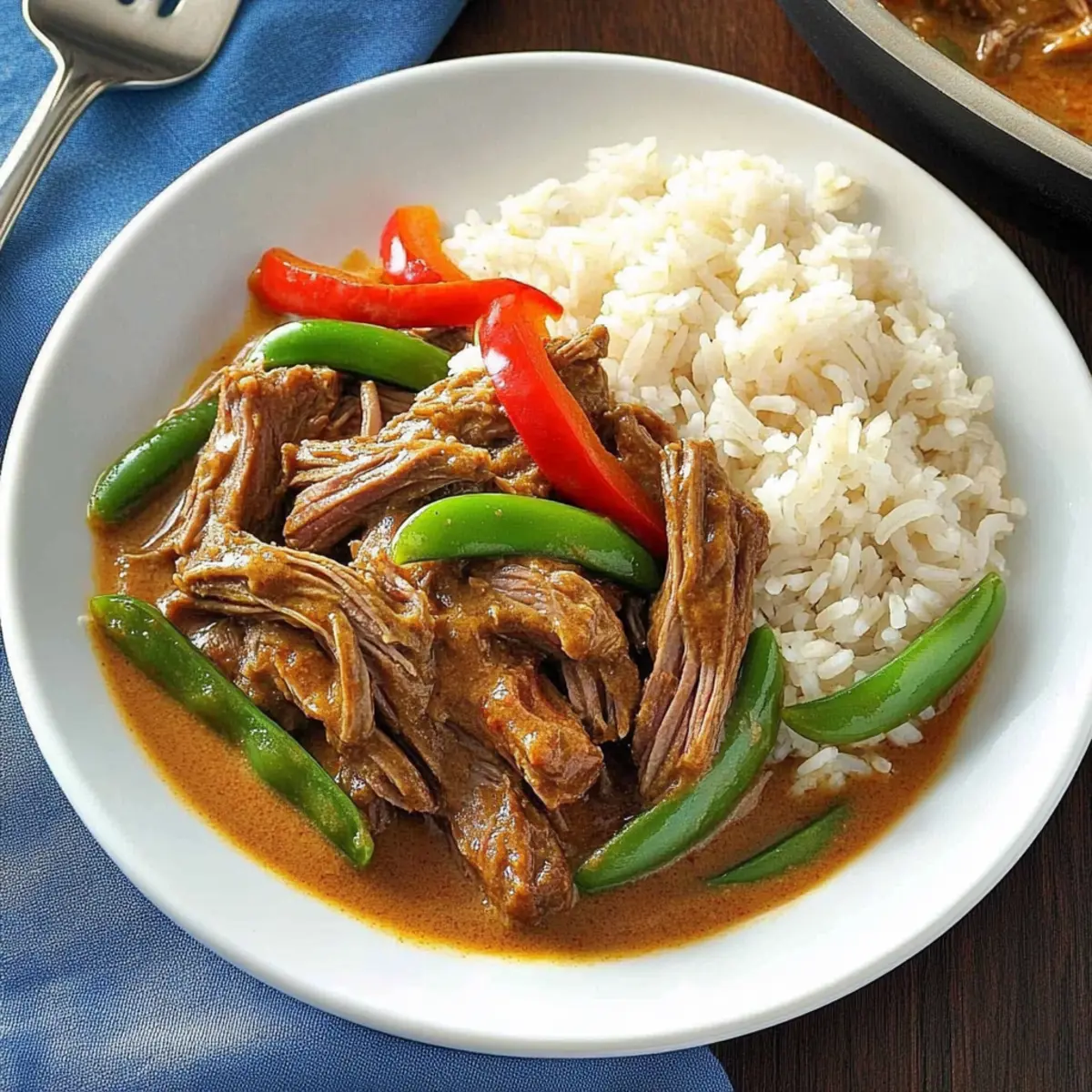
Thai Coconut Beef Recipe FAQs
How do I choose the right beef for this recipe?
Absolutely! For Thai Coconut Beef, boneless beef chuck roast is ideal due to its marbling and tenderness when slow-cooked. Look for meat that’s bright red with minimal dark spots; this indicates freshness. If you prefer, chicken thighs or pork shoulder can also work beautifully as substitutes.
How should I store leftover Thai Coconut Beef?
Very! You can store leftover Thai Coconut Beef in an airtight container in the refrigerator for up to 3 days. When you’re ready to enjoy it again, simply reheat in the microwave or on the stove until piping hot. I often like to add a touch of coconut milk while reheating to enhance its creamy texture.
Can I freeze Thai Coconut Beef?
Absolutely! To freeze Thai Coconut Beef, let it cool completely, then portion it into freezer-safe bags or containers. It can be stored in the freezer for up to 3 months. For the best results, thaw overnight in the fridge before reheating to maintain the rich and creamy consistency of the sauce.
Why did my beef come out tough?
It’s important to cook on low heat for the full suggested time of 7-8 hours to ensure that the beef becomes tender. If it’s tough, it may not have cooked long enough. If you find the sauce too thin, you might consider a cornstarch slurry added towards the end of cooking. Just mix 1 tablespoon of cornstarch with 2 tablespoons of water, stir it in, and let it thicken.
Are there any dietary concerns I should consider?
Definitely! If you or someone you’re serving has peanut allergies, feel free to substitute the creamy peanut butter with almond or sunflower butter. For gluten-free options, use tamari instead of soy sauce. And if you’re cooking for pets, ensure they don’t get any of the dish, especially the sauces and spices!
What’s the best way to prepare the veggies in the dish?
I recommend adding sugar snap peas during the last 45-60 minutes of cooking for a crisp-tender texture. If you’re using substitutable vegetables, you can also toss in diced carrots or bell peppers at the beginning with the beef to enhance flavor and nutrition. Always look for colorful and vibrant produce for the best taste and visual appeal!
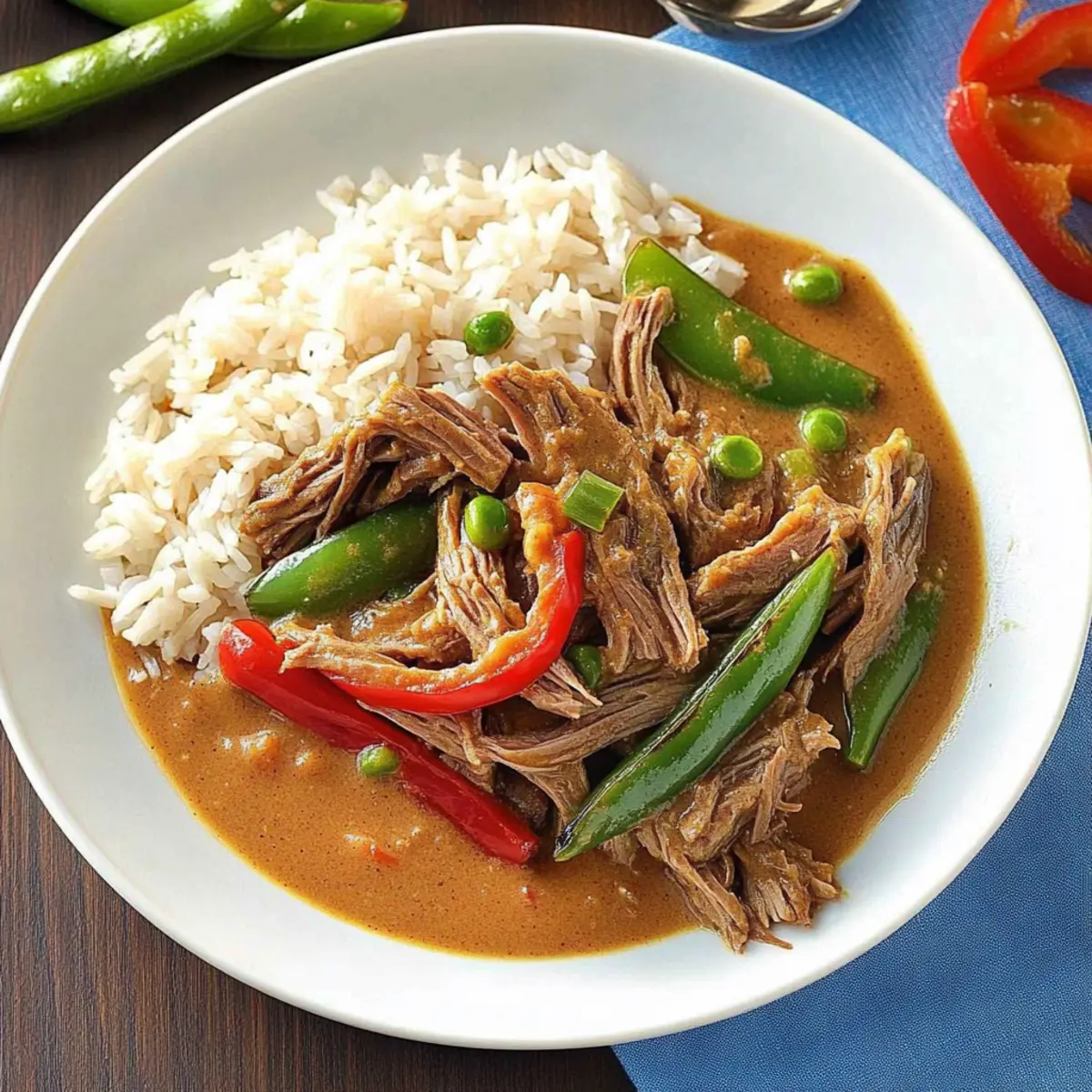
Thai Coconut Beef: A Creamy Delight for Easy Weeknight Dinners
Ingredients
Equipment
Method
- Begin by generously seasoning the boneless beef chuck roast with salt and freshly cracked pepper on all sides.
- Place the seasoned beef into the slow cooker, followed by the sliced large sweet red pepper.
- In a medium bowl, whisk together the coconut milk, beef stock, creamy peanut butter, red curry paste, soy sauce, honey, and minced fresh ginger.
- Cover the slow cooker with its lid and set it to low heat for 7-8 hours.
- Once the cooking time is complete, carefully remove the tender beef from the slow cooker and let it cool for a few minutes.
- Skim off any excess fat from the juices in the slow cooker, if necessary, and stir the fresh sugar snap peas into the beef mixture.
- Just before serving, stir in the freshly minced cilantro to brighten the dish.
Leave a Reply