
As I wandered through the vibrant streets of Istanbul, the air was filled with tempting aromas of baked goods, and one standout snack caught my attention: Pogaca. These fluffy Turkish Cheese Buns, often filled with savory feta and fresh herbs, embody the warmth of home-cooked comfort. What I adore about Pogaca is their incredible versatility; they can be a delightful breakfast treat, an on-the-go snack, or a fabulous addition to any lunchbox. Plus, they are surprisingly easy to whip up, making them a perfect choice for busy weeknights or leisurely weekend brunches. Are you ready to fill your kitchen with the irresistible scent of these addictive pastries? Let’s get baking!
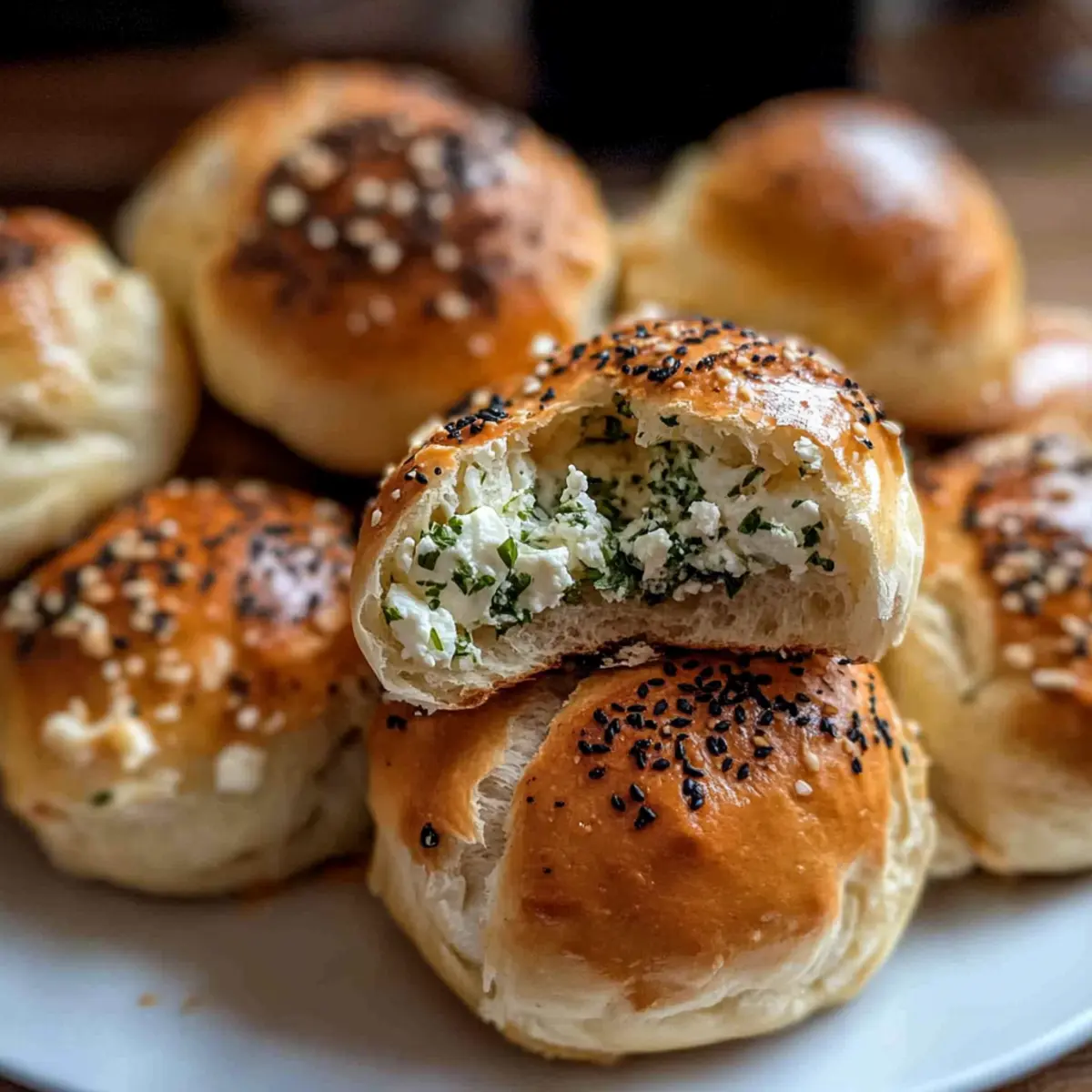
Why are Pogaca so irresistible?
Fluffy Texture: These Turkish Cheese Buns boast a light, airy texture that’s simply heavenly with each bite.
Savory Filling: The creamy feta cheese mingles perfectly with fresh herbs, creating a flavor sensation that keeps you reaching for more.
Versatile Snack: Ideal for breakfast, elevating your lunchbox, or as a tasty snack any time of day, they adapt seamlessly to your lifestyle.
Easy to Make: With straightforward steps, these buns transform your kitchen into a comforting bakery without the fuss.
Crowd-Pleasing: Whether serving at brunch or a casual gathering, Pogaca will impress your family and friends—and leave them asking for your secret! For more cheesy goodness, check out my recipe for Cheese Spinach Crustless.
Pogaca Ingredients
• Here’s everything you need to create these delicious Turkish Cheese Buns!
For the Filling
- Crumpled Feta Cheese – The star of the filling, adding rich creaminess; you can substitute with ricotta for a lighter flavor.
- Parsley (chopped) – Brings freshness and a pop of color; swap for any leafy green if desired.
- Egg White – Acts as a binding agent for the filling; reserve the yolk for the golden egg wash.
For the Dough
- All-Purpose Flour (plain) – Provides the necessary structure; consider gluten-free flour for a suitable alternative.
- Active Dry Yeast – Responsible for the dough’s rise; fresh yeast can be swapped in if you have it on hand.
- Warm Water – Activates the yeast and hydrates the dough; broth can be a tasty alternative.
- Warm Milk – Adds richness to the dough; plant-based milk can also work well.
- Vegetable Oil – Keeps the dough moist and adds flavor; feel free to use olive oil for a twist.
- Salt – Enhances the overall flavor; cut back if using salted feta.
- Sugar – Aids in activating the yeast and balancing flavors; you can omit it for a strictly savory bun.
- Mahleb (optional) – Offers a special flavor and aroma; it’s okay to skip it if unavailable.
For the Toppings
- Egg Yolk – Use this for brushing on the buns to achieve a beautiful golden finish.
- Sesame Seeds or Nigella Seeds – These add extra flavor and a delightful crunch; poppy seeds can work too if you prefer!
By using this simple ingredient list, you’re on your way to making delightful Pogaca (Turkish Cheese Buns) that your family will love!
Step‑by‑Step Instructions for Pogaca (Turkish Cheese Buns)
Step 1: Prepare Feta Filling
Begin by crumbling the feta cheese into a bowl. Add the chopped parsley and the egg white, mixing thoroughly until you achieve a cohesive filling. This savory mixture should be creamy, and aromatic, and ready within about 5 minutes. Set it aside while you prepare the dough, letting those delightful flavors meld.
Step 2: Make Dough
In a large mixing bowl, combine warm milk, warm water, vegetable oil, sugar, and active dry yeast. Stir gently and allow it to sit for about 5 minutes, or until frothy. Gradually add the all-purpose flour, optional mahleb, and salt, mixing until a soft dough forms. This process should take approximately 10 minutes to achieve a slightly sticky but manageable consistency.
Step 3: Knead Dough
Transfer the dough to a floured surface and knead it for about 8-10 minutes. Aim for a smooth, non-sticky texture that springs back when pressed. If needed, adjust with flour sparingly to reach the right dough consistency. Once ready, place it in a lightly greased bowl, cover it with a damp cloth, and let it rise in a warm spot for 1 hour, or until doubled in size.
Step 4: Shape Buns
After the dough has risen, punch it down and divide it into 22 equal pieces, shaping each into a ball. Flatten each ball into a disc in your palm, scoop in about a tablespoon of the feta filling, and seal the bun by folding over, forming either a round ball or a half-moon shape. Repeat until all dough and filling are used, arranging the shaped Pogaca on a lined baking tray.
Step 5: Proof Buns
Cover the shaped Pogaca with a clean kitchen towel and let them proof for around 45 minutes in a warm place. During this time, the buns will rise and become puffy, which is essential for achieving that delightful fluffy texture. Optionally, preheat your oven to 360°F (180°C) during the last 15 minutes of the proofing period.
Step 6: Preheat Oven
Ensure your oven is preheated to 360°F (180°C) in preparation for baking. This temperature is ideal for developing a golden brown exterior while keeping the inside soft and fluffy. As the buns finish their proofing process, this preheating will help achieve that perfect bake when they go in.
Step 7: Bake
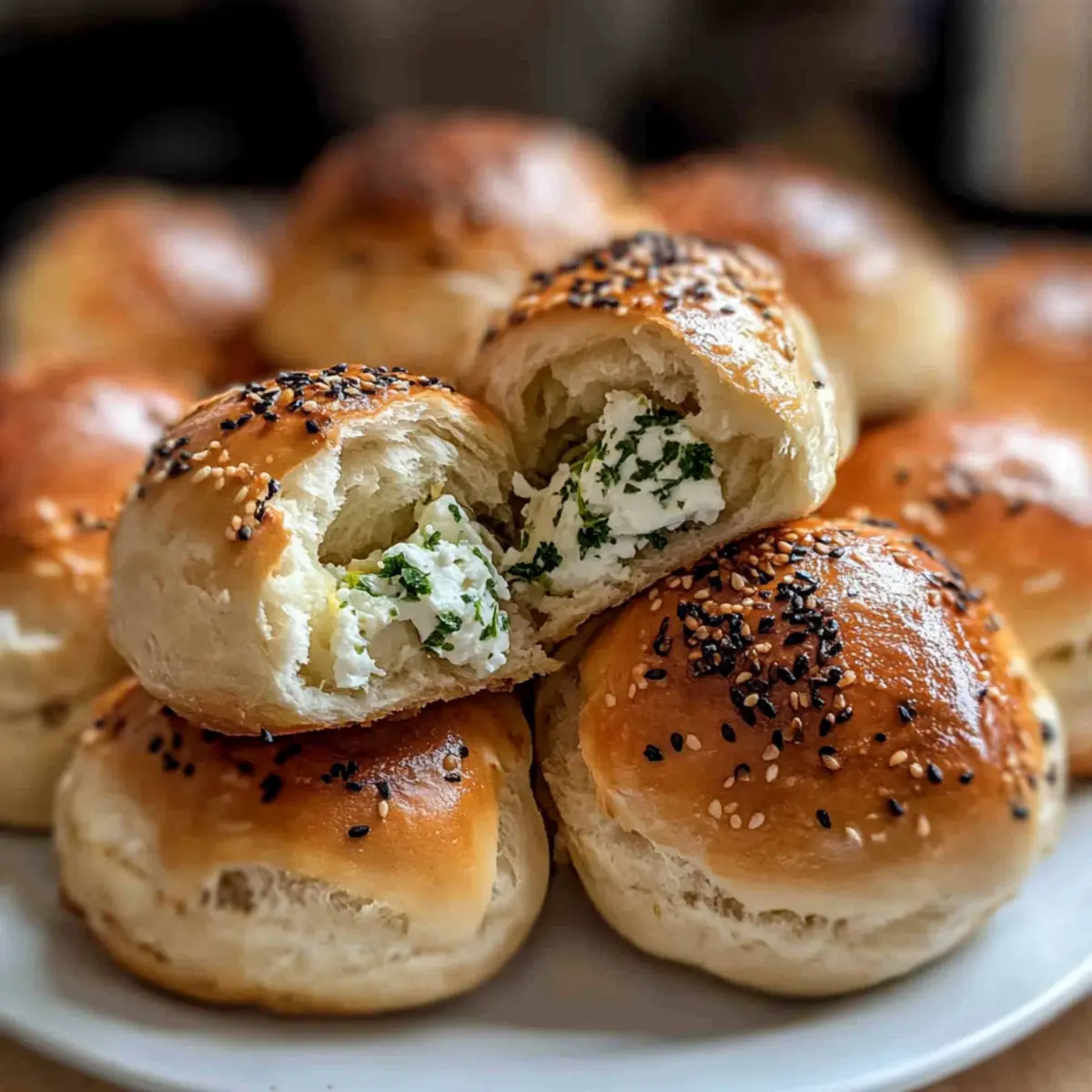
Brush the tops of the Pogaca with the reserved egg yolk for added shine and color. Sprinkle sesame seeds or nigella seeds on top for extra crunch and flavor. Bake the buns in your preheated oven for 25-30 minutes, or until they turn a lovely golden brown and are puffed up. Keep an eye on them toward the end to prevent overbaking.
Make Ahead Options
These Pogaca (Turkish Cheese Buns) are perfect for meal prep enthusiasts! You can prepare the filling (feta, parsley, and egg white) up to 24 hours in advance; simply refrigerate it in an airtight container to maintain freshness. The dough can also be made ahead; let it rise, then shape the buns and refrigerate them for up to 3 days before baking. To finish, allow the shaped buns to come to room temperature while preheating your oven. Brush them with egg yolk and sprinkle with seeds just before baking for that signature golden finish. This way, you’ll enjoy the delightful aroma and taste of freshly baked Pogaca anytime with minimal effort!
Storage Tips for Pogaca
Room Temperature: Store leftover Pogaca in an airtight container for up to 3 days to maintain their freshness and flavor, keeping them soft and enjoyable.
Fridge: If you live in a warmer climate, refrigerate them for up to 5 days, ensuring they’re wrapped tightly to prevent drying out.
Freezer: Freeze Pogaca for up to 3 months in a sturdy freezer bag or airtight container; just make sure to separate layers with parchment paper to avoid sticking.
Reheating: To enjoy these Turkish Cheese Buns at their best, reheat in the oven at 350°F (175°C) for about 10-15 minutes, allowing them to regain their delightful fluffy texture.
What to Serve with Addictive Pogaca: Fluffy Turkish Cheese Buns
Enhance your Pogaca experience with delightful pairings that bring out the best flavors and textures, turning a simple dish into a full feast.
- Turkish Tea: A fragrant cup of strong Turkish tea complements the savory buns, offering a traditional touch that warms the heart.
- Olives and Pickles: These tangy delights contrast beautifully with the creamy feta filling, adding a burst of flavor and a delightful crunch.
- Fresh Salad: A crisp cucumber and tomato salad with a light dressing brings freshness and balance to each bite of these fluffy pastries.
- Yogurt Dip: A cooling yogurt dip with herbs offers a refreshing balance to the rich flavors of the Pogaca, enhancing your snacking experience.
- Roasted Veggies: Roasted eggplant or zucchini drizzled with olive oil provides an earthy companion, adding depth to your meal that’s hard to resist.
- Herbed Rice: Fluffy rice pilaf with herbs harmonizes perfectly, making a hearty meal and accentuating the savory notes of the Pogaca.
- Sparkling Water: Clean and refreshing, sparkling water is an excellent choice to cleanse the palate and keep the meal refreshing.
- Baklava: If you’re in the mood for something sweet afterward, this decadent dessert blends beautifully with the savory flavors, offering a satisfying end to a delightful meal.
Let these pairings transform your Pogaca experience into a culinary adventure that embraces comfort and warmth!
Pogaca (Turkish Cheese Buns) Variations
Feel free to get creative with your Pogaca and personalize each batch to suit your taste!
-
Meat Lovers: Swap feta for cooked minced beef mixed with spices for a heartier filling. Rich and savory, these will satisfy even the hungriest of appetites.
-
Olive Delight: Replace the feta with a mix of pitted chopped olives and herbs for a Mediterranean twist. The briny notes elevate the flavor, giving you a delightful taste of the coast.
-
Veggie Twist: Incorporate sautéed spinach or roasted bell peppers to the feta filling for more color and nutrients. This variation not only tastes great but adds a pop of freshness!
-
Herb Infusion: Try using different herbs like dill, mint, or thyme along with feta for unique flavor profiles. Each herb brings its own distinct aroma, providing a journey of flavors in every bite.
-
Cheesy Combo: Mix in shredded mozzarella or cheddar with your feta for a gooey, melted texture. This twist takes indulgence to the next level—perfect for cheese lovers!
-
Sweet Surprise: For a dessert version, fill your dough with sweetened cream cheese or homemade fruit preserves. These transform your Pogaca into a delightful treat for brunch!
-
Spice It Up: Add a pinch of red pepper flakes or ground cumin to the filling for a touch of heat. A little spice can turn these savory buns into something truly bold—and who doesn’t love a flavor kick?
As you explore these variations, remember that Pogaca are incredibly forgiving and adaptable. Whether you stick with the traditional feta filling or dare to experiment, you can’t go wrong. Pair them with your favorite sides like olives or pickles for added enjoyment, and don’t forget to revisit my recipe for Pumpkin Cream Cheese or Disneys Grilled Cheese for more cozy comfort food ideas!
Expert Tips for Pogaca
-
Dough Consistency Matters: Aim for a soft, smooth texture. If your dough feels too sticky, gradually add flour until it becomes manageable, taking humidity into account.
-
Proofing Time: Keep in mind that proofing times can vary based on your environment. Using a warm oven can help speed up the rising process for your Pogaca.
-
Don’t Skip the Egg Wash: Brushing the buns with egg yolk before baking gives them that beautiful golden color and a glossy finish, enhancing the overall appeal.
-
Preheat Your Oven: Make sure your oven is fully preheated to 360°F (180°C). This step is crucial for an even bake, ensuring a delightful texture inside and out.
-
Experiment with Fillings: While feta cheese is traditional, feel free to explore other fillings like minced beef or olives for a fun twist, allowing you to customize your Pogaca.
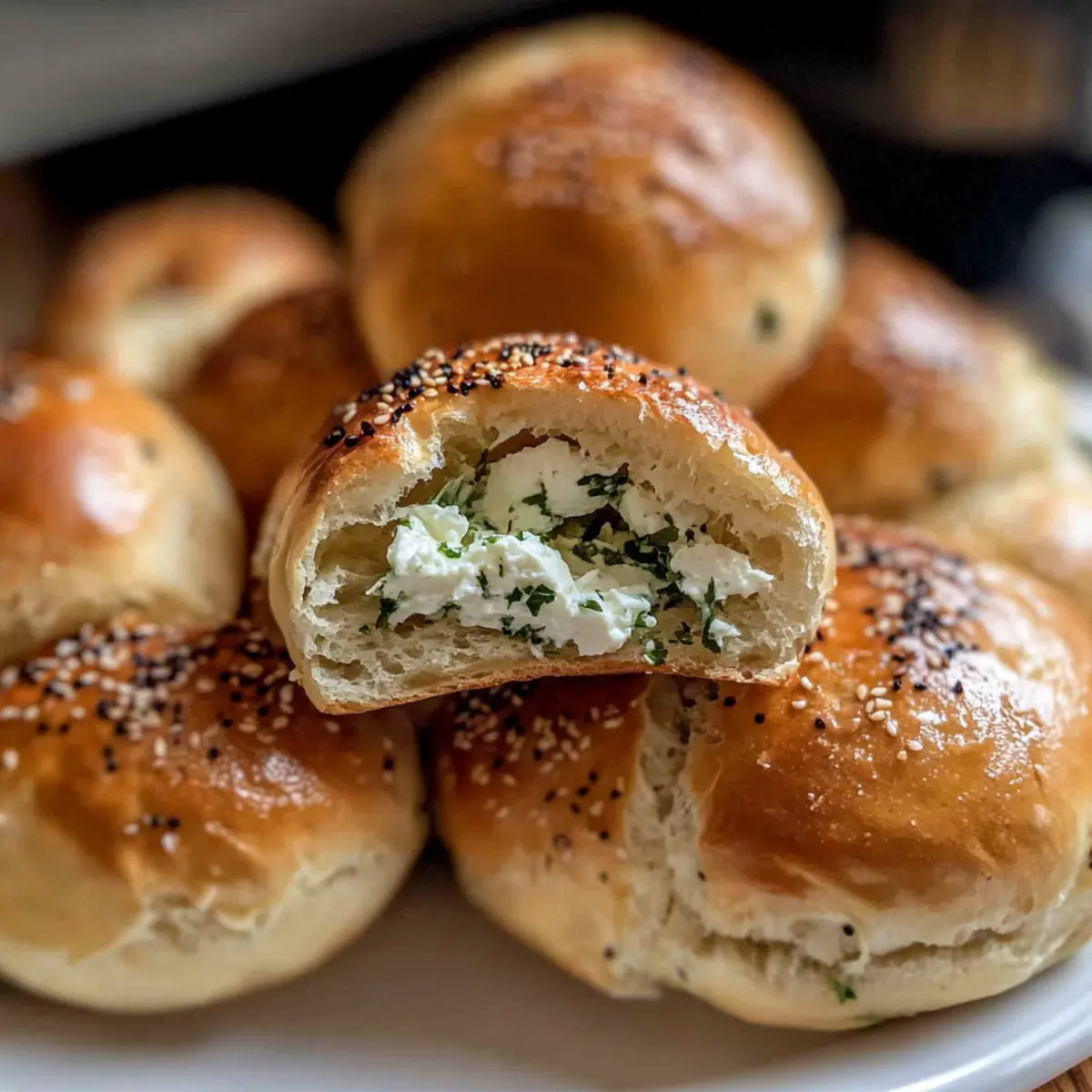
Pogaca (Turkish Cheese Buns) Recipe FAQs
What type of feta cheese is best for Pogaca?
Absolutely! The best feta cheese for Pogaca is a creamy, saltier variety because it provides the rich flavor that is characteristic of the filling. If you’re looking for a milder alternative, you can use ricotta cheese, but it won’t give you the same salty kick. Look for crumbly feta in brine to keep your filling moist and flavorful.
How should I store leftover Pogaca?
To keep your Pogaca fresh, store them in an airtight container at room temperature for up to 3 days. If you’re in a hotter environment, they can be refrigerated for up to 5 days, but make sure they’re wrapped tightly to avoid drying out. The more the merrier, so why not share some with friends?
Can Pogaca be frozen for later use?
Definitely! To freeze your Pogaca, allow them to cool completely after baking. Then, place them in a sturdy freezer bag or an airtight container, separating layers with parchment paper to prevent sticking. They can be frozen for up to 3 months. When you’re ready to enjoy them again, simply reheat in the oven at 350°F (175°C) for about 10-15 minutes.
What do I do if my dough isn’t rising?
No worries! If your dough isn’t rising, it could be due to the yeast being inactive. Check to ensure your yeast is fresh; it should be bubbly and frothy after being mixed with warm water and sugar. If you’re in a cold environment, try placing the dough in a warm oven (turned off) to stimulate rising. It typically takes 45 minutes to an hour—so give it some time!
Are there any allergy considerations for Pogaca?
Indeed! If you’re preparing Pogaca for someone with allergies, be cautious about the ingredients: feta cheese contains dairy, and all-purpose flour contains gluten. For a gluten-free option, you can substitute with gluten-free flour. Additionally, always confirm that the fillings you choose are allergy-friendly, especially if you’re using something like olives or meats.
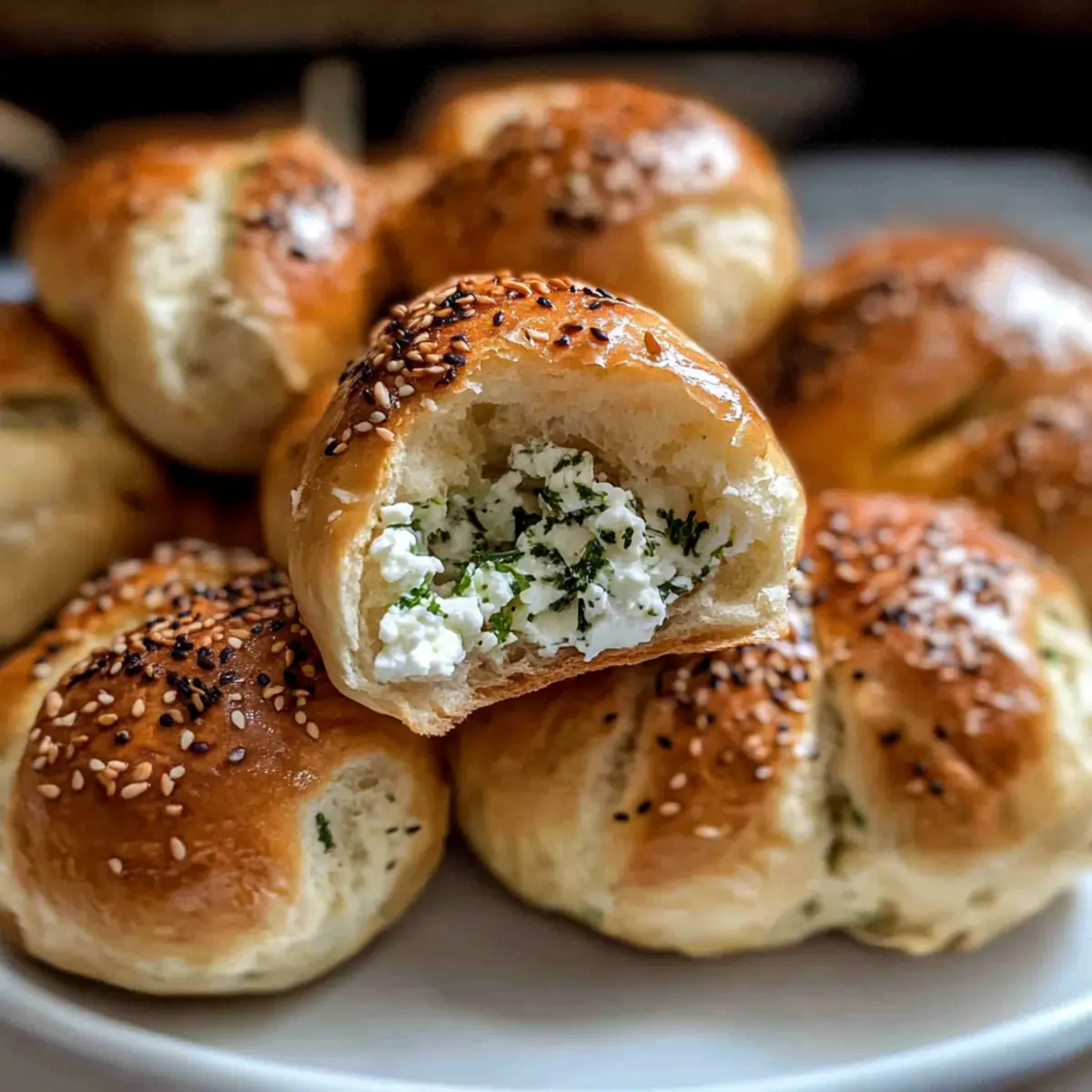
Pogaca: Irresistibly Fluffy Turkish Cheese Buns to Love
Ingredients
Equipment
Method
- Prepare Feta Filling: Crumble feta into a bowl, add chopped parsley and egg white, mix until cohesive. Set aside.
- Make Dough: Combine warm milk, warm water, vegetable oil, sugar, and yeast in a bowl, stir, and let sit until frothy. Gradually add flour, optional mahleb, and salt, mixing until a soft dough forms.
- Knead Dough: Transfer dough to a floured surface, knead for 8-10 minutes until smooth. Place in greased bowl, cover, and let rise for 1 hour until doubled.
- Shape Buns: Punch down the dough, divide into 22 pieces, shape each into a ball, fill with feta mixture, and seal. Place on a lined baking tray.
- Proof Buns: Cover shaped buns with a towel and let proof for 45 minutes in a warm place.
- Preheat Oven: Preheat your oven to 360°F (180°C) during the last 15 minutes of proofing.
- Bake: Brush buns with egg yolk and sprinkle with seeds. Bake for 25-30 minutes until golden brown and puffed.
Leave a Reply