
The aroma of Korean cuisine wafted through the kitchen as I tossed together some vibrant ingredients for my latest culinary adventure. With Easy Korean Sesame Noodles, or Deulgireum Makguksu, I’m inviting you to experience a dish that’s as delightful to prepare as it is to savor. In just under six minutes, you can whip up these tender cold soba noodles, infused with the rich nuttiness of Korean wild sesame oil and the umami goodness of soy sauce. What’s even better? This recipe is not only quick but also incredibly customizable, allowing you to add your favorite toppings, whether you prefer a classic or spicy kick. Perfect for busy weeknights or when you want a taste of summer on your plate, these noodles will soon become a staple in your kitchen. Are you ready to bring the vibrant magic of Korean flavors into your home?
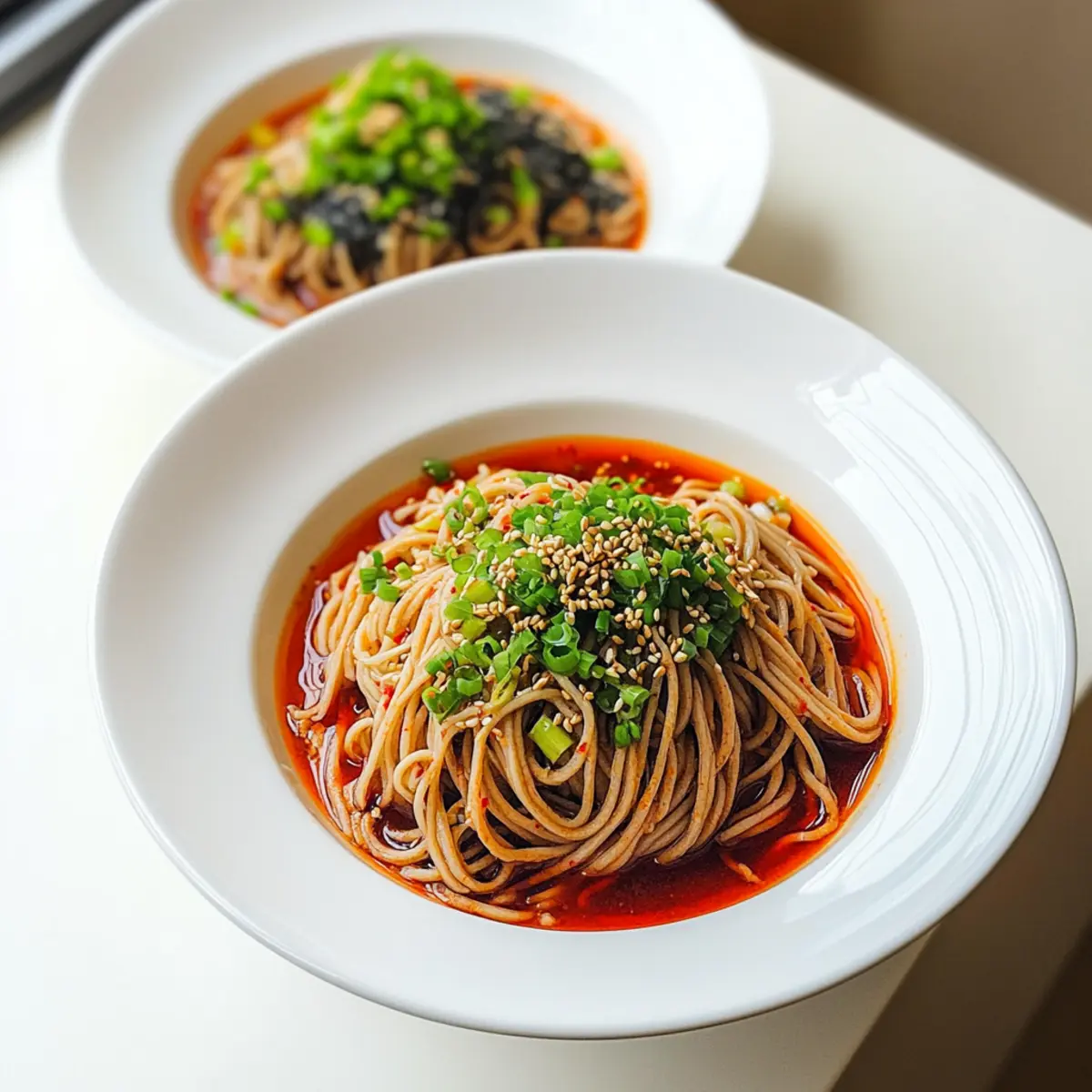
Why Are Korean Sesame Noodles So Special?
Quick Preparation: In just six minutes, you can enjoy a delicious meal that doesn’t compromise on flavor.
Customizable Delight: Tailor it to your taste with endless toppings, from fresh veggies to proteins.
Vegan-Friendly: A great option for plant-based eaters, ensuring everyone can enjoy this richly flavored dish.
Authentic Flavors: The combination of Korean wild sesame oil and tsuyu sauce transports your palate straight to Korea.
Crowd-Pleasing: Perfect for parties or quiet dinners, these noodles can easily satisfy even the pickiest eaters. If you’re looking for more quick and delicious meals, check out my recipe for Healthy Sesame Chicken that pairs beautifully with these noodles!
Korean Sesame Noodles Ingredients
For the Noodles
• Soba Noodles – The perfect base; these noodles offer a smooth texture and absorb flavors beautifully. Feel free to substitute with udon or rice noodles if desired.
For the Sauce
• Tsuyu (Soup Seasoning Sauce) – A flavor powerhouse that adds depth and umami to the dish. Soy sauce can work as a simple substitute if you’re in a pinch.
• Korean Wild Sesame Oil (Deul-gireum) – This nutty oil is crucial for the authentic taste of your Korean Sesame Noodles. You can also use a good-quality toasted sesame oil for a similar flavor.
• Chili Oil (for Spicy Version) – Infuses heat and complexity for those who crave a kick. Consider using Lao Gan Ma chili crisp for added texture and flavor.
For the Toppings
• Green Onion/Chives – Adds a fresh crunch to each bite. Chopped scallions or shallots are perfect alternatives if you don’t have these on hand.
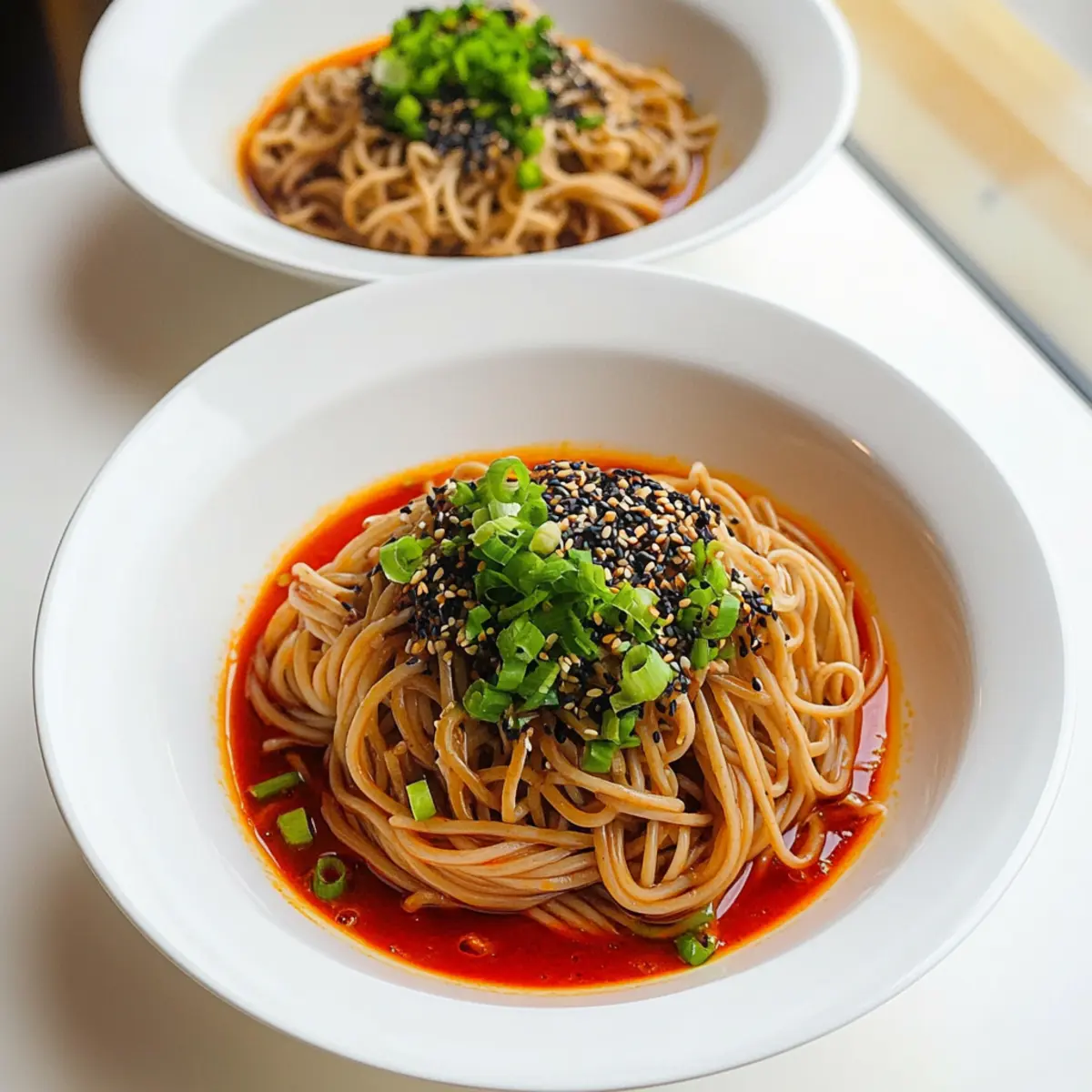
• Toasted Sesame Seeds – Sprinkling these enhances both flavor and texture. White or black sesame seeds can be used interchangeably here.
• Toasted Seaweed (optional) – This adds a crispy texture and umami; a visual feast too! Feel free to omit or substitute with crushed nori sheets if not available.
Each element contributes to making your Korean Sesame Noodles a memorable dish that’s quick and easily customizable! Enjoy crafting this delightful meal!
Step‑by‑Step Instructions for Easy Korean Sesame Noodles
Step 1: Boil and Cook the Noodles
Start by bringing a large pot of water to a rolling boil over high heat. Once boiling, add the soba noodles and cook them according to the package instructions, usually about 4-6 minutes, until they are tender but still firm (al dente). Stir occasionally to prevent sticking, and keep an eye on them to ensure they don’t overcook.
Step 2: Prepare the Sauce
While the noodles are cooking, grab a large mixing bowl. In it, combine the tsuyu (soup seasoning sauce) with either Korean wild sesame oil for a classic flavor or chili oil if you’d like to spice things up. Chop the green onions and slice fresh chili for your spicy version, then set aside to incorporate later into your Easy Korean Sesame Noodles.
Step 3: Drain and Rinse the Noodles
Once the soba noodles are cooked to perfection, drain them in a colander and immediately rinse them under cold running water. This step is crucial as it stops the cooking process and removes excess starch, helping the noodles stay separate and maintain a nice texture. Drain thoroughly, ensuring no water clings to them for the best results.
Step 4: Toss the Noodles with Sauce
Transfer the cooled, drained soba noodles to the bowl with your sauce mixture. Gently toss the noodles using tongs or a fork, ensuring each strand is evenly coated with the delicious sesame and tsuyu blend. This will allow the flavors to meld beautifully in your Easy Korean Sesame Noodles, enhancing their taste.
Step 5: Garnish and Serve
Finally, it’s time to elevate your dish! Generously sprinkle the tossed noodles with chopped green onions, toasted sesame seeds, and any optional toppings like sliced chili or crushed toasted seaweed. The vibrant colors and textures of these garnishes add not only flavor but also an appealing presentation to your plate before serving.
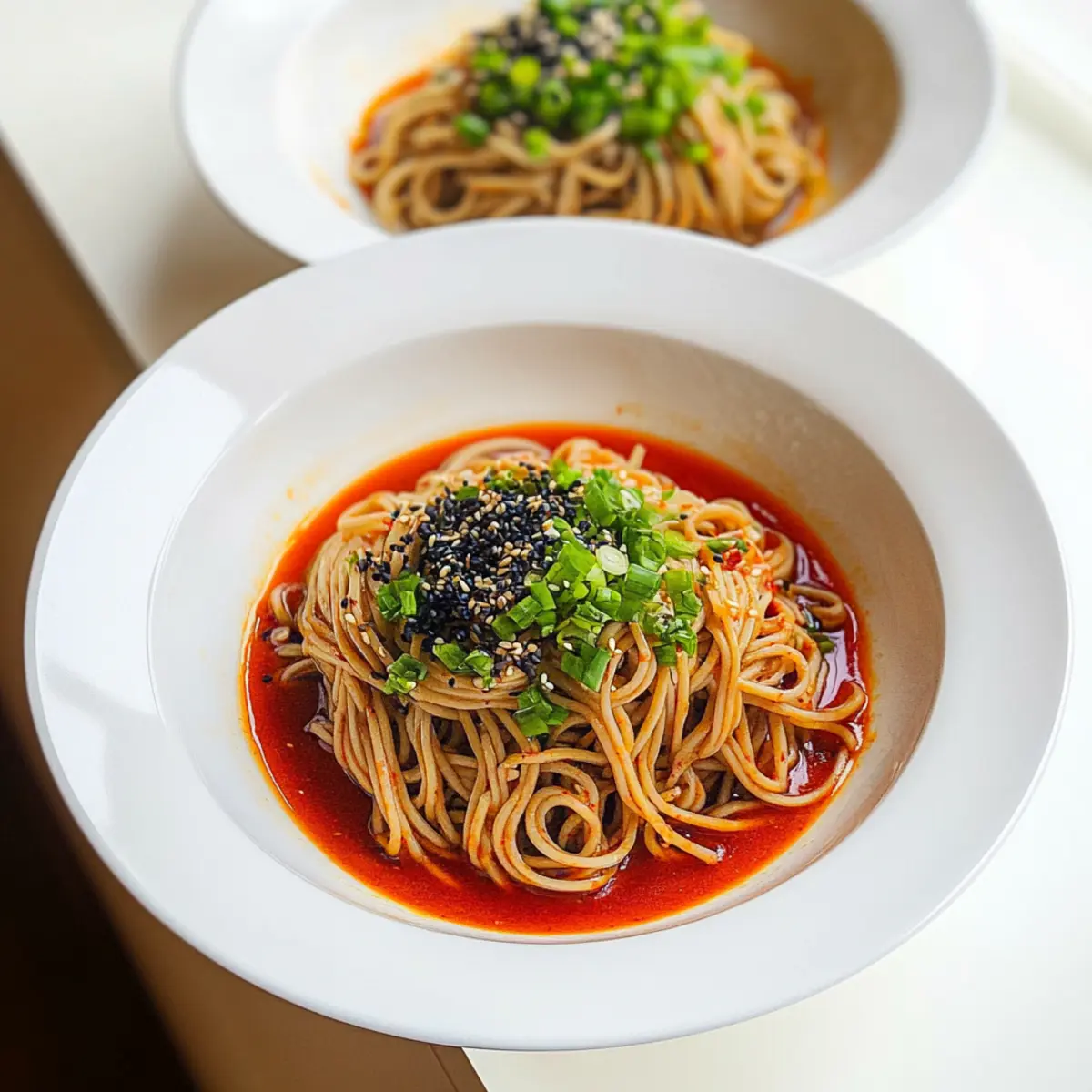
Storage Tips for Korean Sesame Noodles
-
Room Temperature: It’s best to enjoy your Korean Sesame Noodles fresh, but if needed, they can sit at room temperature for up to 1 hour.
-
Fridge: Store any leftovers in an airtight container in the refrigerator for up to 2 days. The flavors may intensify as they sit.
-
Freezer: Freezing is not recommended for the noodles as they can become mushy when thawed. However, you can freeze the sauce components separately for up to a month.
-
Reheating: If you prefer your noodles warm, gently reheat them in a pan with a splash of water or sauce over low heat. Avoid boiling to maintain texture.
Korean Sesame Noodles: Delicious Variations
Feel free to explore these delightful twists that cater to your taste and dietary choices.
- Dairy-Free: Swap any dressings or toppings containing dairy for vegan-friendly alternatives like avocado or nut-based cheeses.
- Gluten-Free: Use gluten-free soba noodles or substitute with rice noodles for a gluten-free option that’s just as tasty.
- Spicy Kick: Add more chili oil or fresh diced jalapeños for a heat level that truly ignites your palate!
- Vegetable Boost: Include seasonal veggies like bell peppers or snap peas for a refreshing crunch and added nutrition.
- Protein-Packed: Toss in grilled chicken, shrimp, or tofu for a robust meal that satisfies even the hungriest family members.
- Warm Version: For a comforting take, serve the noodles warm by briefly heating the sauce and noodles together.
- Tangy Twist: Incorporate a splash of rice vinegar or lime juice for a citrusy edge that brightens the overall flavor.
- Umami Richness: Enhance the dish’s savory depth with a sprinkle of mushroom powder or nutritional yeast before serving.
With these variations, your Easy Korean Sesame Noodles can be a new adventure in every bite! For more meal inspiration, don’t forget to check out my Cooker Beef Noodles for another delicious option.
Expert Tips for Easy Korean Sesame Noodles
- Rinse Thoroughly: Always rinse the noodles under cold water after cooking to prevent them from clumping together. This helps maintain the perfect texture for your Korean Sesame Noodles.
- Mix It Up: Don’t hesitate to experiment with various toppings like julienned cucumbers or shredded carrots. This not only enhances flavor but also adds beautiful color.
- Adjust Spice Level: If you like it hot, add more chili oil or fresh red chilies. For less heat, go easy on the chili to tailor your Easy Korean Sesame Noodles to your taste.
- Protein Additions: For a heartier meal, consider adding grilled chicken, shrimp, or tofu. This elevates the dish while keeping it quick and simple.
- Serve Warm or Cold: Enjoy these noodles cold as a refreshing dish or heat them in the sauce for a comforting warm meal, perfect for any season.
Make Ahead Options
These Easy Korean Sesame Noodles are perfect for meal prep enthusiasts! You can cook the soba noodles and rinse them, then store them in an airtight container in the refrigerator for up to 3 days—this helps keep them from clumping together. Additionally, prepare the tsuyu sauce with Korean wild sesame oil ahead of time and refrigerate it in a separate container for up to 1 week. When you’re ready to enjoy your noodles, simply toss the cold noodles with the pre-made sauce and top with freshly chopped green onions and toasted sesame seeds before serving. This makes for a quick, delicious meal whenever you need it, ensuring your busy schedule doesn’t compromise on flavor!
What to Serve with Easy Korean Sesame Noodles?
Treat your taste buds to a delicious feast that perfectly complements the vibrant flavors of this beloved dish.
-
Crispy Spring Rolls: These light, crunchy bites provide a delightful contrast to the silky noodles, enhancing your meal with a delightful texture.
-
Sesame-Cucumber Salad: This refreshing side adds a crisp, cool element with its tangy sesame dressing, balancing the nuttiness of the sesame noodles beautifully. The crunch of the cucumbers makes every bite satisfying.
-
Sautéed Bok Choy: A warm vegetable side dish that adds a touch of earthy flavor, perfectly complementing the lightness of the noodles while contributing vibrant green colors to your plate.
-
Spicy Kimchi: This fermented side offers tangy and spicy notes that elevate your noodle experience, making every bite a flavorful adventure. Its crunchiness contrasts beautifully with the smooth soba noodles.
-
Grilled Tofu Skewers: Marinated to perfection, these tofu skewers bring protein that echoes the umami flavors of the noodles, creating a hearty and satisfying meal combination.
-
Chilled Green Tea: This refreshing drink pairs wonderfully, cleansing your palate between bites and highlighting the aromatic elements of the Korean sesame noodles, keeping your taste buds engaged.
-
Chocolate Mochi Dessert: End your meal on a sweet note with chewy, rice flour desserts that provide just the right amount of sweetness, enhancing the overall dining experience.
Korean Sesame Noodles Recipe FAQs
What type of soba noodles should I use?
Absolutely! Look for 100% buckwheat soba noodles for the best flavor and texture, especially if you need a gluten-free option. You can also use regular wheat soba noodles; just check the package for cooking instructions. If you can’t find soba, udon or rice noodles work as delightful substitutes.
How should I store leftovers?
Very! Store any leftover Korean Sesame Noodles in an airtight container in the refrigerator for up to 2 days. As they sit, the flavors often intensify, making the noodles even tastier the next day. Just remember to give them a gentle toss before serving again!
Can I freeze Korean Sesame Noodles?
The more the merrier! However, I don’t recommend freezing the noodles themselves as they tend to become mushy when thawed. Instead, you can freeze the sauce components separately in a sealable bag for up to 1 month. When you’re ready to enjoy, defrost the sauce overnight in the fridge and serve it fresh over newly cooked noodles.
What if my noodles are clumping together?
No worries at all! If you find your Korean Sesame Noodles have clumped, try rinsing them again under cold water to separate them. To avoid this issue in the first place, make sure to rinse the noodles thoroughly post-cooking. Toss them with a little sesame oil to help keep them slick and easy to serve.
Are there any dietary considerations I should know?
Absolutely! This recipe is naturally vegan-friendly. However, if you’re preparing it for someone with allergies, be cautious of gluten; ensure your soba noodles are made from 100% buckwheat for those with gluten sensitivities. Always double-check the labels of any substitutions used, such as sauces and oils, to ensure they’re safe for everyone.
What fresh toppings work best with Korean Sesame Noodles?
Very! You have a world of options at your fingertips. Fresh toppings can elevate your dish significantly. I often recommend julienned cucumbers, shredded carrots, or even sliced bell peppers for added crunch. For protein, grilled chicken, tofu, or shrimp can be a lovely addition. Get creative and customize to your taste!
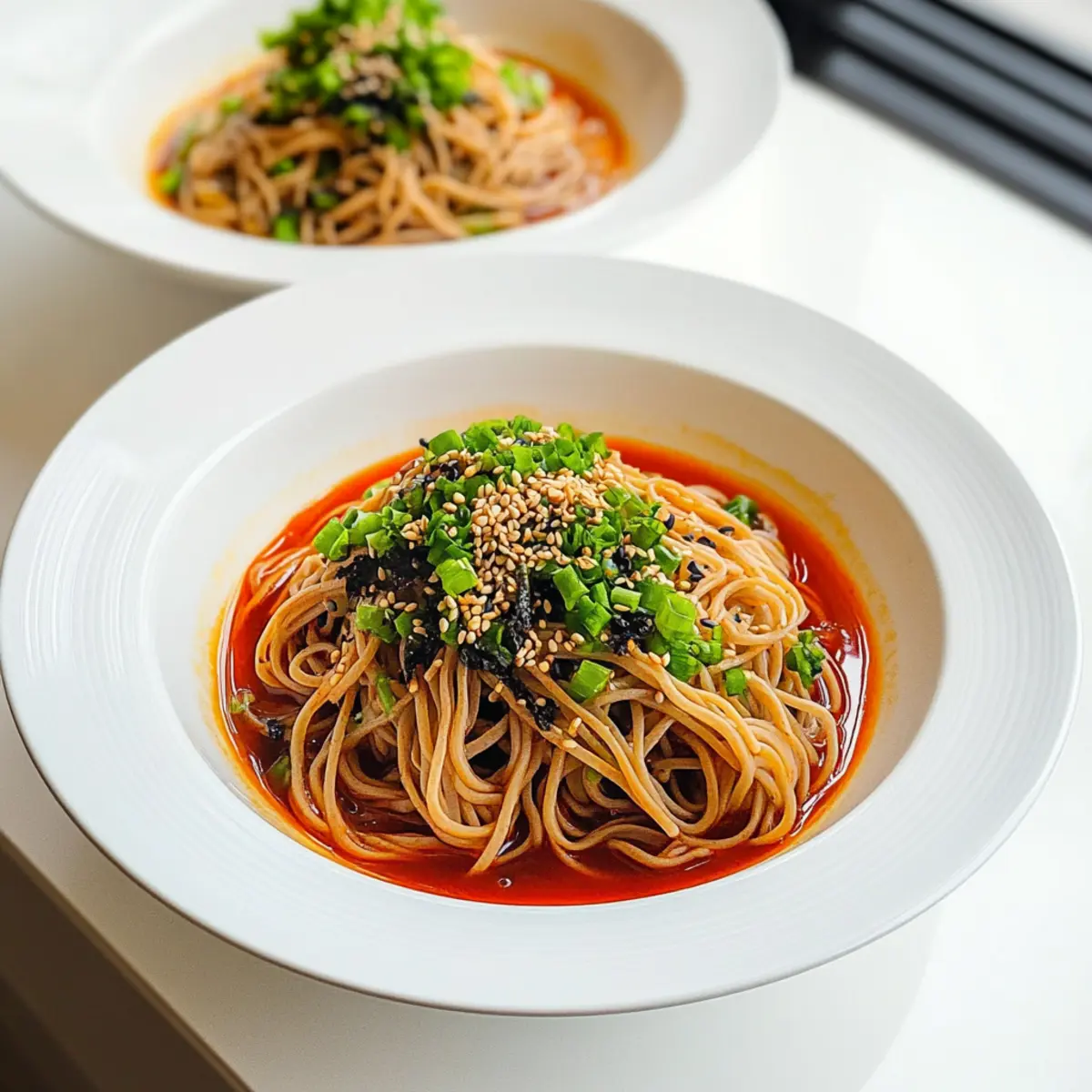
Delicious Korean Sesame Noodles: Quick and Customizable Bliss
Ingredients
Equipment
Method
- Start by bringing a large pot of water to a rolling boil over high heat. Once boiling, add the soba noodles and cook them according to the package instructions, usually about 4-6 minutes, until they are tender but still firm (al dente). Stir occasionally to prevent sticking.
- While the noodles are cooking, grab a large mixing bowl. In it, combine the tsuyu (soup seasoning sauce) with either Korean wild sesame oil for a classic flavor or chili oil if you’d like to spice things up. Chop the green onions and slice fresh chili for your spicy version, then set aside.
- Once the soba noodles are cooked, drain them in a colander and immediately rinse them under cold running water to stop the cooking process and remove excess starch.
- Transfer the cooled, drained soba noodles to the bowl with your sauce mixture. Gently toss the noodles using tongs or a fork until each strand is evenly coated.
- Generously sprinkle the tossed noodles with chopped green onions, toasted sesame seeds, and any optional toppings. Enjoy your vibrant dish!
Leave a Reply